




What's Happening?
An Instagram design critic has identified several common interior design 'offenses' that homeowners often commit, arguing that while taste is subjective, some choices are objectively poor. These include overusing design icons, opting for an all-beige
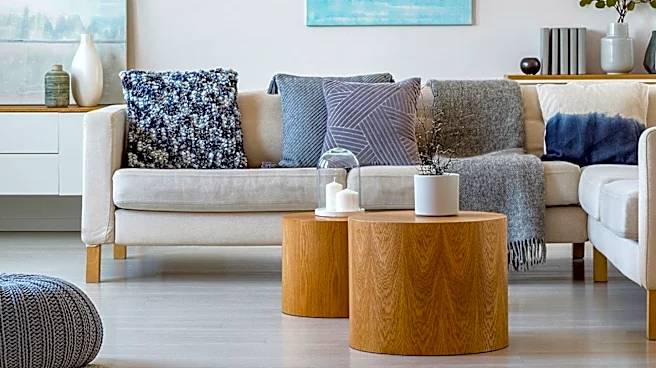
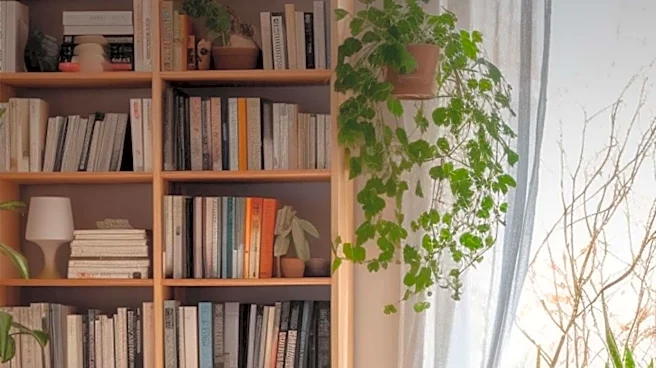
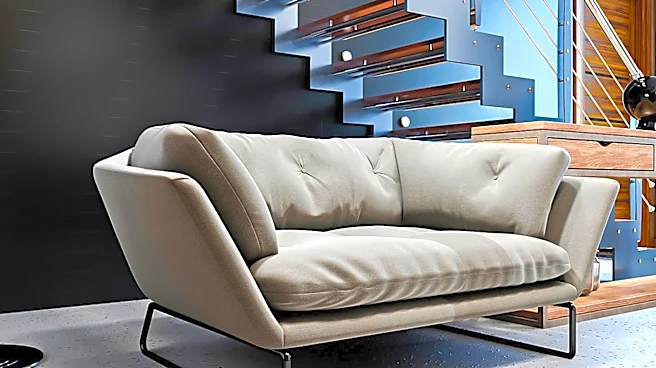
color scheme, incorporating words or clichéd phrases into home decor, displaying generic abstract art, and arranging books by color. The critic suggests that too many iconic pieces can make a home feel like a showroom, lacking personal soul. An all-beige palette is criticized for being bland and uninviting. Words on pillows or signs are deemed empty clichés. Generic abstract art is described as lifeless and uninspired, while color-coded bookshelves are seen as an assault on the intellectual value of books. The critic encourages homeowners to make personal decisions, explore unique pieces, incorporate color and texture, and let their homes speak for themselves through thoughtful curation rather than superficial trends.
Why It's Important?
This critique highlights a growing conversation within the U.S. about authenticity and personal expression in home design, moving away from mass-produced aesthetics and fleeting trends. For consumers, it serves as a guide to avoid common pitfalls that can make a home feel impersonal or dated, encouraging more mindful and individualistic decorating choices. For the interior design industry, it underscores the importance of originality and bespoke solutions over generic, commercially driven styles. The emphasis on unique finds, personal narratives, and meaningful art challenges the dominance of fast furniture and decor, potentially fostering a market for vintage, artisanal, and custom pieces. This shift could lead to a more sustainable approach to home furnishing, where items are chosen for their longevity and personal significance rather than their adherence to current fads.
What's Next?
The ongoing discussion about authentic interior design is likely to influence consumer behavior, leading to a greater appreciation for individuality and craftsmanship. Homeowners may increasingly seek out unique items from independent artists, vintage markets, or international sources, moving away from readily available mass-market options. This could also spur designers to offer more personalized services and encourage clients to develop their own distinct styles. Educational content around interior design, particularly on platforms like Instagram, will likely continue to evolve, offering more nuanced advice that prioritizes personal taste and thoughtful curation. The market for custom furniture, art, and decor is expected to grow as consumers become more discerning about the items they bring into their homes.
Beyond the Headlines
The critique of generic home decor extends beyond aesthetics, touching upon deeper cultural and psychological implications. The desire for 'good taste' often leads to conformity, where individuals adopt popular styles without genuine connection, potentially stifling personal creativity. The article implicitly argues that a home should be a reflection of one's identity and experiences, not a curated display of commercially approved items. This perspective challenges consumerism by advocating for intentional choices and a rejection of superficial trends. It also raises questions about the role of social media in shaping design preferences, as platforms like Instagram can both inspire creativity and inadvertently promote homogenization. Ultimately, the call for authenticity in design encourages a more meaningful relationship between individuals and their living spaces, fostering environments that truly nourish the soul.