

What's Happening?
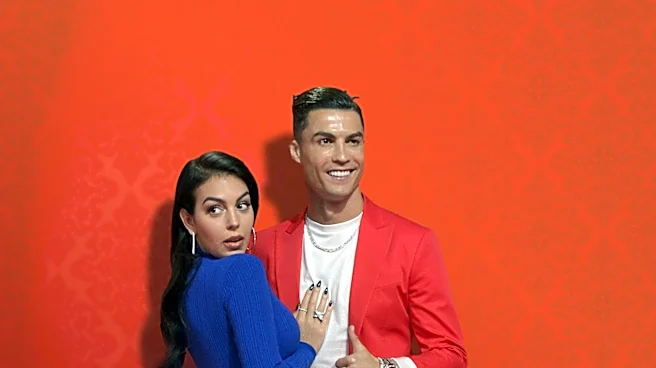
Georgina Rodríguez, partner of footballer Cristiano Ronaldo, has drawn significant criticism for releasing a promotional video featuring a luxury car on the same day Ronaldo announced his departure from the national team. The video, filmed at their Madrid
home, quickly garnered attention and sparked debate on social media and in media programs like 'Passadeira Vermelha'. Commentators, including Hugo Mendes and Carolina Ortigão, expressed that the timing of the promotional content was inappropriate and lacked sensitivity given the global focus on Ronaldo's significant career announcement. Despite the criticism regarding the timing, the video proved to be highly successful, accumulating 2.5 million likes and 68 million views, indicating a substantial financial and media impact for Rodríguez.
Why It's Important?
This incident highlights the complex interplay between personal branding, celebrity partnerships, and public perception in the digital age. For public figures like Georgina Rodríguez, the timing of content releases can significantly impact their brand image and public reception, especially when intertwined with major life or career events of their partners. The immediate and widespread criticism underscores the public's expectation for celebrities to demonstrate sensitivity and awareness, particularly during moments of high emotional or national significance. Conversely, the immense viewership and engagement generated by the video, despite the negative feedback, illustrate the powerful commercial value of celebrity endorsements and the potential for content to go viral regardless of its context. This event serves as a case study for brands and influencers on the delicate balance between maximizing promotional reach and maintaining a positive public image.
What's Next?
The immediate aftermath of such an event typically involves continued public discussion and media analysis of the celebrity's actions. While Georgina Rodríguez has not publicly addressed the criticism in the provided source, future content releases or public appearances may be scrutinized more closely for their timing and context. Brands collaborating with high-profile individuals might re-evaluate their content release strategies to avoid similar public relations challenges. For Rodríguez, the incident could lead to a more cautious approach to scheduling promotional material, especially during sensitive periods related to Cristiano Ronaldo's career. The high engagement numbers, however, might also embolden her to continue with similar high-impact promotional tactics, potentially prioritizing reach over public sentiment in some instances.
Beyond the Headlines
This situation delves into the broader implications of influencer culture and the monetization of personal lives. The line between personal moments and commercial opportunities becomes increasingly blurred for public figures, leading to ethical dilemmas regarding authenticity and appropriateness. The incident also reflects societal expectations placed on the partners of famous athletes, often requiring them to navigate their own public personas while being inextricably linked to their partner's career. The public's strong reaction suggests a desire for more genuine and less overtly commercial behavior during significant personal or professional transitions. This event could contribute to ongoing discussions about the responsibilities of influencers and celebrities in managing their public image and the potential for backlash when commercial interests appear to overshadow personal or collective sentiment.