






What's Happening?
Manufacturing facilities are subject to stringent regulations under the Resource Conservation and Recovery Act (RCRA) for managing hazardous waste. This guide highlights common pitfalls and compliance requirements for manufacturers. Hazardous waste is defined
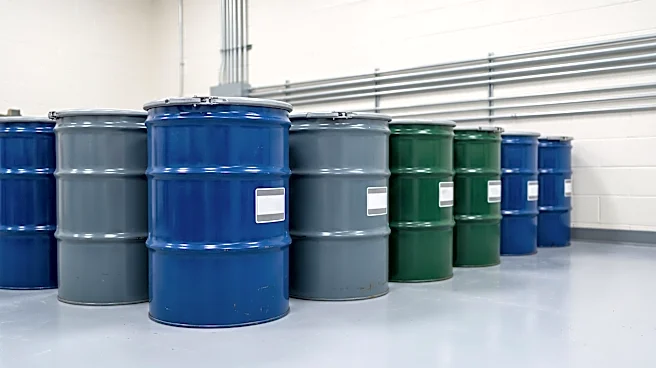
by four properties: flammability, corrosivity, reactivity, and toxicity. Regulators also maintain lists of automatically hazardous waste, specifically targeting manufacturers, including spent solvents, wastes from particular manufacturing processes, and discarded chemical products. The classification of waste dictates storage methods, required paperwork, disposal locations, and costs. Manufacturers are categorized into three groups based on their monthly hazardous waste generation, which determines storage time limits, on-site quantities, staff training needs, and documentation requirements. A common mistake is failing to update waste management practices as production or product lines change, potentially shifting a facility into a different regulatory group. Key compliance elements include clear start dates on all waste containers, weekly inspections, current training records, and easily accessible paperwork tracking waste disposal.
Why It's Important?
Compliance with hazardous waste regulations is critical for manufacturers to avoid significant fines and environmental damage. Misclassifying waste can lead to either overpaying for disposal or incurring penalties for non-compliance, which can be far more costly. The 'cradle-to-grave' responsibility means manufacturers remain accountable for their waste even after it leaves their facility, emphasizing the importance of choosing reputable disposal partners. Proper waste management protects employees from exposure to harmful substances and prevents environmental contamination, safeguarding public health and natural resources. The dynamic nature of manufacturing processes necessitates continuous review and adaptation of waste management programs to ensure ongoing compliance. This proactive approach not only mitigates legal and financial risks but also enhances a company's reputation and commitment to environmental stewardship, which is increasingly valued by consumers and stakeholders.
What's Next?
Manufacturers must continuously assess their waste streams and update their hazardous waste management programs to ensure ongoing compliance with RCRA regulations. This includes regularly verifying their waste generation group, which can change with increased production or new product lines. Facilities should prioritize implementing clear labeling systems for waste containers, ensuring each has a marked start date, and conducting weekly inspections to monitor storage times and conditions. Maintaining up-to-date training records for staff involved in waste handling is also crucial. Furthermore, manufacturers need to ensure that all paperwork tracking waste disposal is easily accessible for inspections. Partnering with environmental solutions providers, like Crystal Clean, can help manufacturers correctly classify waste, schedule pickups, and manage documentation, ensuring waste reaches approved destinations and compliance is maintained. The focus will remain on adapting waste management practices to evolving production processes and regulatory requirements.
Beyond the Headlines
The stringent regulations surrounding industrial hazardous waste management underscore a broader societal commitment to environmental protection and corporate accountability. Beyond the immediate legal and financial implications for manufacturers, these rules reflect a recognition of the long-term environmental and public health consequences of improper waste disposal. The 'cradle-to-grave' responsibility principle highlights an ethical dimension, compelling businesses to consider the entire lifecycle of their products and byproducts. This framework encourages innovation in waste reduction, recycling, and safer manufacturing processes, pushing industries towards more sustainable practices. The complexity of these regulations also fosters a specialized industry of environmental services, creating jobs and expertise in waste classification, treatment, and disposal. Ultimately, effective hazardous waste management is not just about compliance; it's about fostering a culture of environmental responsibility that benefits both current and future generations.