






What's Happening?
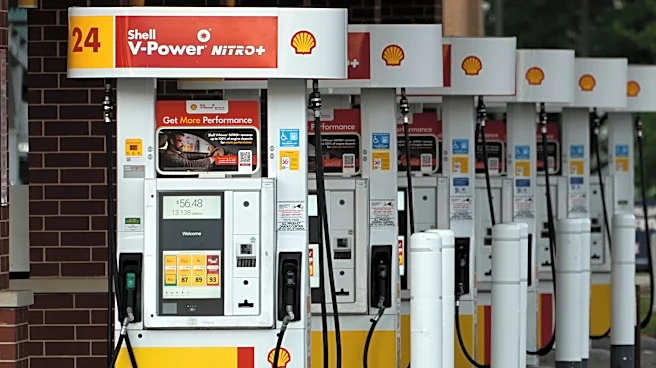
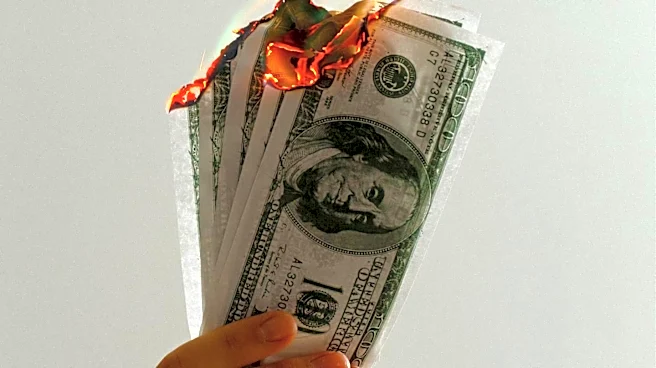
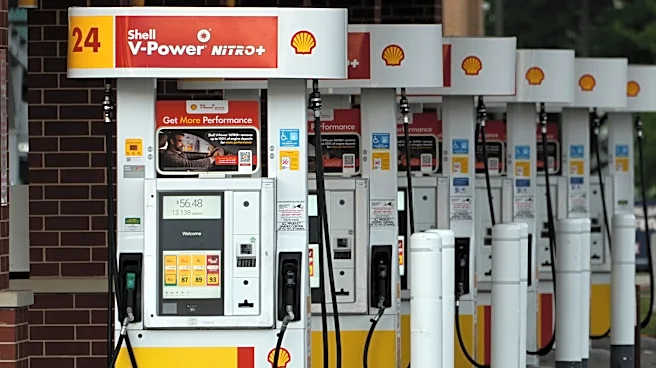
Inflation in the U.S. slowed to 3.5% in June, a decrease from May's 4.2%, driven by a sharp decline in energy prices. The consumer price index (CPI) data showed a 0.4% fall in overall prices in June, compared to a 0.5% increase in May. Gasoline prices dropped
significantly after a tentative ceasefire between the U.S. and Iran. However, the ceasefire has ended, and tensions have escalated, with the U.S. reinstating a blockade in the Strait of Hormuz and imposing a 20% toll on cargo. This has led to fears of rising energy prices, which could impact inflation.
Why It's Important?
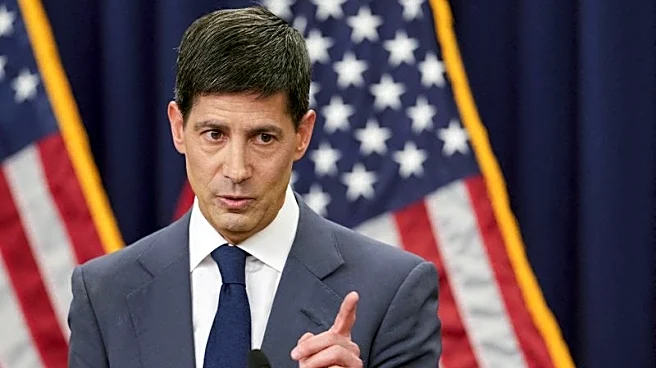
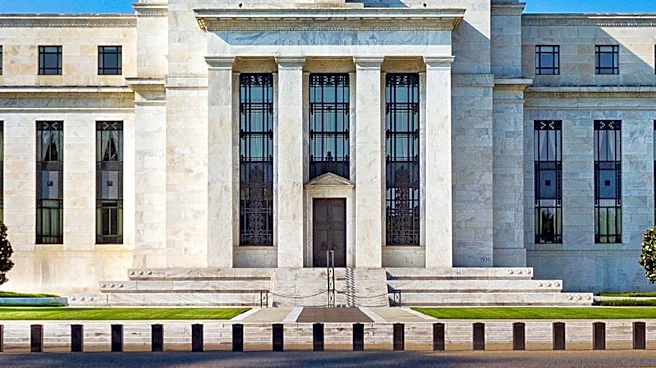
The decline in inflation offers temporary relief to consumers and businesses, but the renewed tensions with Iran pose a risk of increasing energy costs, which could drive inflation higher. The Federal Reserve, under new chair Kevin Warsh, is assessing whether to adjust interest rates in response to these developments. Rising energy prices could lead to higher costs for goods and services, affecting consumer spending and economic growth. The situation underscores the interconnectedness of geopolitical events and economic stability.
What's Next?
The Federal Reserve will be closely watching inflation trends and geopolitical developments. If energy prices continue to rise, it may necessitate a reevaluation of interest rate policies to prevent inflation from spiraling. The outcome of the U.S.-Iran tensions will be crucial in determining the future trajectory of inflation and economic policy. Investors and policymakers will be looking for signals from the Federal Reserve on potential interest rate adjustments.