





What's Happening?
Foam rolling, also known as self-myofascial release, involves using a firm foam cylinder to apply pressure to muscle groups, akin to a deep-tissue massage. This technique aims to increase blood flow, calm tender spots, and temporarily reduce muscle soreness
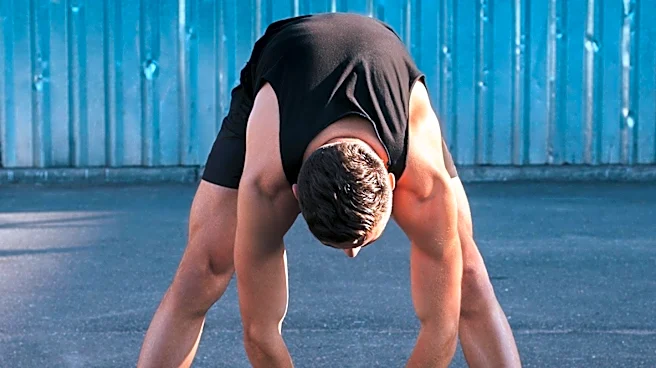
and tightness, particularly after intense workouts. In contrast, stretching focuses on lengthening muscles to improve range of motion and flexibility. There are two main types: static stretching, where a position is held for an extended period, and dynamic stretching, which involves moving through a range of motion. While foam rolling provides short-term relief from soreness, stretching is more effective for achieving lasting improvements in flexibility and joint movement. Both methods are widely used in fitness routines, with foam rolling often recommended for post-workout recovery and stretching for enhancing overall mobility.
Why It's Important?
Understanding the distinct benefits of foam rolling and stretching is crucial for individuals engaged in physical activity, from casual exercisers to professional athletes. Misapplying these techniques can lead to suboptimal recovery or even exacerbate muscle issues. For instance, aggressive stretching on very sore muscles can cause further irritation, whereas foam rolling can provide relief. Conversely, relying solely on foam rolling for flexibility will not yield the long-term gains that consistent stretching offers. By correctly integrating both methods, individuals can optimize their physical recovery, reduce the risk of injury, and enhance their athletic performance. This knowledge empowers individuals to make informed decisions about their recovery protocols, leading to more effective and sustainable fitness outcomes.
What's Next?
As awareness of proper recovery techniques grows, it is likely that fitness professionals and healthcare providers will continue to emphasize the complementary roles of foam rolling and stretching. Educational initiatives may focus on teaching individuals how to effectively combine these methods, such as rolling before stretching to prepare muscles for deeper extension. The development of new tools and guided programs, like those offered by Hinge Health, suggests a trend towards more structured and accessible recovery routines. Further research may also refine best practices, identifying optimal durations, frequencies, and specific techniques for various muscle groups and activity levels. This ongoing evolution will help individuals maximize the benefits of both foam rolling and stretching for improved physical well-being.
Beyond the Headlines
The distinction between foam rolling and stretching highlights a broader principle in physical wellness: targeted interventions yield better results. This understanding extends beyond muscle recovery to other areas of health, emphasizing the importance of precise approaches rather than one-size-fits-all solutions. Ethically, promoting accurate information about these techniques can prevent individuals from wasting time on ineffective practices or inadvertently causing harm. Culturally, the increasing popularity of self-care and preventative health measures means that tools like foam rollers and stretching routines are becoming more integrated into daily life. This shift reflects a growing recognition of the body's need for maintenance and recovery, moving beyond just performance to holistic well-being.