







What's Happening?
The preview version of SteamOS 3.10.0 has been released, bringing significant improvements for PC users, particularly those with AMD and Nvidia graphics hardware. This update, now based on the Linux kernel 7.3, aims to make it easier to install SteamOS on custom
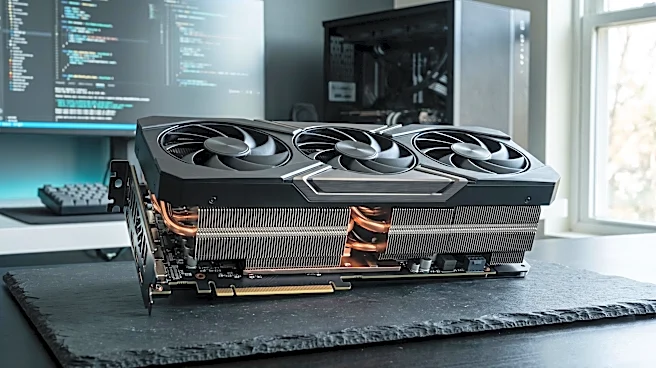
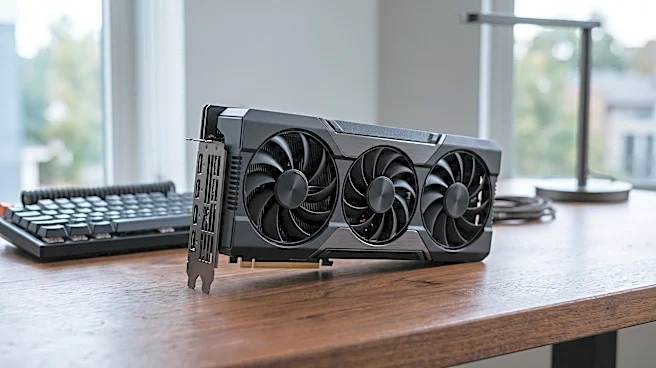
Steam Machines. For AMD graphics, the update adds support for HDMI 2.1 VRR (Variable Refresh Rate), FRL (Fixed Rate Link), and ALLM (Auto Low Latency Mode), which are expected to result in a smoother gaming experience with higher bandwidth video and reduced input lag. Nvidia graphics users will benefit from increased stability and performance, along with support for Mesh Shaders on Turing and newer architectures. The update also addresses rendering corruption issues in specific games like 'Shadow of the Tomb Raider' and 'The Surge 2' and includes various fixes and changes to Game Mode, such as improved frame timing with VRR and better cursor movement.
Why It's Important?
This SteamOS update is crucial for the U.S. PC gaming community, as it directly enhances the performance and compatibility of a widely used operating system for gaming. Improved support for both AMD and Nvidia hardware means a broader range of PC gamers can experience SteamOS more effectively, potentially increasing its adoption. For consumers, these technical enhancements translate to a smoother, more responsive, and visually consistent gaming experience, especially for those with high-refresh-rate monitors and HDR setups. For hardware manufacturers and developers, better SteamOS compatibility could encourage more optimization for Linux-based gaming, potentially diversifying the PC gaming ecosystem. The focus on fixing specific game issues and improving VRR functionality demonstrates a commitment to refining the user experience, which is vital for retaining and attracting gamers in the competitive U.S. market.
What's Next?
As a preview version, SteamOS 3.10.0 will undergo testing and feedback collection from users. If successful, these improvements are expected to be rolled out to the public channel in a future stable release. This will further solidify SteamOS as a viable alternative for PC gaming, especially for those interested in building custom Steam Machines or utilizing handheld devices. The enhanced support for Nvidia hardware, which has historically been a challenge for Linux-based systems, could pave the way for more seamless integration and performance across different GPU ecosystems. Future updates will likely continue to build on these foundations, focusing on broader hardware compatibility, performance optimizations, and user experience refinements, potentially influencing the design and features of upcoming gaming hardware in the U.S.
Beyond the Headlines
The continuous development of SteamOS and its improved hardware support reflects a broader trend towards open-source operating systems gaining traction in specialized computing fields like gaming. This move challenges the traditional dominance of proprietary operating systems in PC gaming, offering users more choice and potentially fostering greater innovation through community contributions. The technical advancements, such as HDMI 2.1 VRR and Mesh Shaders, highlight the ongoing pursuit of visual fidelity and responsiveness in gaming, pushing the boundaries of what hardware and software can achieve together. Furthermore, the focus on making SteamOS more accessible and performant across diverse hardware configurations could democratize high-quality gaming experiences, making them available to a wider audience beyond those with top-tier Windows-based gaming rigs. This evolution could also influence the development of future gaming handhelds and dedicated gaming PCs.