







What's Happening?
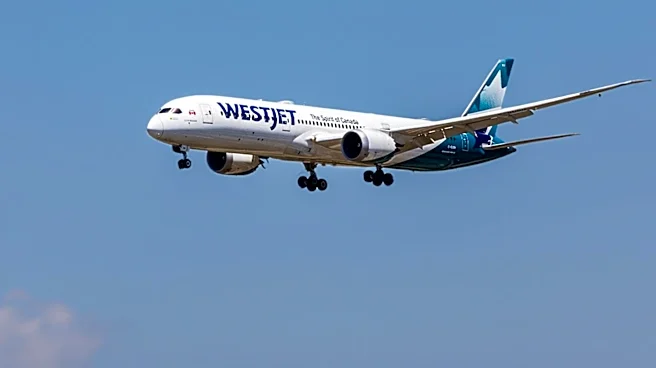
Flight attendants at WestJet Encore, represented by CUPE 8125, have filed a notice of dispute with the federal government. This action seeks the appointment of a conciliator to help resolve ongoing and stalled contract negotiations. The flight attendants are
advocating for an end to unpaid work, fair compensation that aligns with their counterparts at WestJet's mainline operations, and significant improvements to their challenging working conditions. According to Alia Hussain, President of CUPE 8125, many of the issues currently being addressed at Encore were already resolved in the Mainline agreement ratified earlier this summer. Hussain emphasized that Encore cabin crew members are among the lowest-paid flight attendants in Canada and deserve a fair agreement that enhances their compensation and working conditions. Despite managing demanding schedules and holding significant safety and service responsibilities, much of the essential work performed by these flight attendants on the ground remains unpaid.
Why It's Important?
This dispute highlights a growing trend of labor unrest within the airline industry, particularly concerning compensation and working conditions for essential staff. The filing of a notice of dispute by WestJet Encore flight attendants underscores the challenges faced by airline employees in securing equitable treatment compared to their mainline counterparts. If unresolved, such disputes can lead to disruptions in air travel, impacting passengers and the broader economy. The demand for fair compensation and an end to unpaid work reflects a broader push for improved labor standards across various sectors. The outcome of these negotiations could set a precedent for future labor discussions within the Canadian aviation industry, potentially influencing how other airlines approach employee contracts and working conditions. The situation also brings to light the critical role flight attendants play in ensuring passenger safety and service, often under demanding circumstances.
What's Next?
The filing of the notice of dispute initiates a federal conciliation process. This process involves a government-appointed conciliator who will work with both parties for up to 60 days to help them reach an agreement. If an agreement is not reached during this conciliation period, a 21-day cooling-off period will commence. Following this cooling-off period, either WestJet Encore or CUPE 8125 may issue a 72-hour strike or lockout notice. This means that if negotiations remain unresolved, there is a potential for a strike or lockout, which could significantly disrupt WestJet Encore's flight operations. The ball is now in WestJet's court, according to Hussain, to demonstrate respect and offer a fair deal to their Encore cabin crew.
Beyond the Headlines
The situation at WestJet Encore reflects a broader societal discussion about fair labor practices and the value of essential work. The demand for an end to unpaid work, particularly for tasks critical to safety and service, challenges traditional employment models where certain preparatory or post-service duties are not compensated. This dispute could influence how companies across various industries evaluate and compensate their employees for all aspects of their job responsibilities. Furthermore, the disparity in compensation and working conditions between mainline and regional airline employees raises questions about equity within large corporate structures. The resolution of this dispute could contribute to a re-evaluation of labor contracts and compensation structures, potentially leading to more standardized and equitable practices across different operational divisions within companies.