










What's Happening?
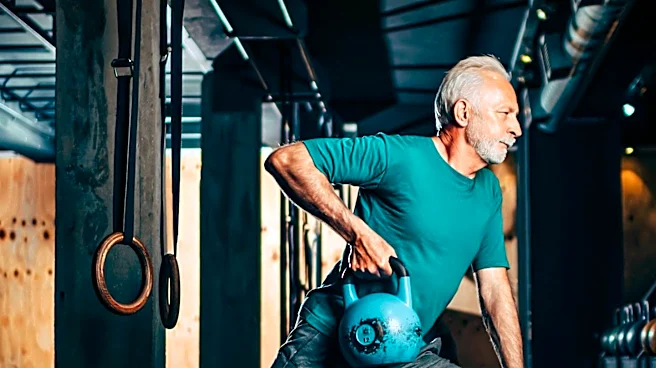
A fitness expert specializing in menopause, Alice Jordan, emphasizes the importance of strength training for women over 50 to combat muscle loss associated with aging and declining estrogen levels. According to Jordan, women begin to lose muscle mass
from their 30s, with the rate accelerating during and after menopause due to reduced estrogen, which is crucial for muscle repair and reducing inflammation. To counteract this, Jordan recommends a combination of progressive strength training, increased protein intake, adequate sleep, daily activity, and consistency. She suggests two to four strength training sessions per week, focusing on compound exercises like squats and deadlifts, and advises consuming 1.6-2.2g of protein per kilogram of body weight. Additionally, she highlights the importance of sleep for muscle recovery and suggests maintaining daily physical activity to support overall health.
Why It's Important?
This guidance is significant as it addresses the challenges women face in maintaining muscle mass and bone density as they age, particularly during and after menopause. The decline in estrogen levels not only accelerates muscle loss but also affects bone health, increasing the risk of osteoporosis. By following Jordan's recommendations, women can potentially mitigate these effects, improving their quality of life and reducing the risk of age-related health issues. The emphasis on strength training and protein intake is crucial as it provides a structured approach to maintaining muscle mass, which is vital for mobility and overall health. This approach also highlights the broader societal need for tailored fitness and health strategies for aging populations, particularly women, who face unique physiological changes.
What's Next?
Women who adopt these strategies may experience improved muscle mass and bone density, leading to better mobility and reduced risk of injury. As more women become aware of the benefits of strength training and proper nutrition, there could be a shift in how fitness programs are designed for older adults, with a greater focus on resistance training and recovery. Additionally, healthcare providers might increasingly recommend such regimens as part of preventive health strategies for aging populations. This could also lead to more research into the specific needs of post-menopausal women, potentially influencing public health policies and fitness industry practices.