






What's Happening?
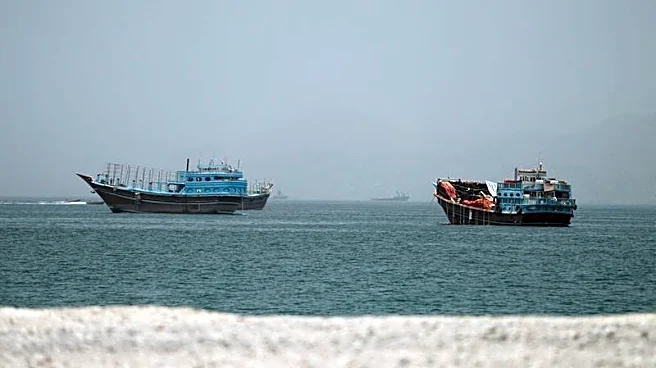
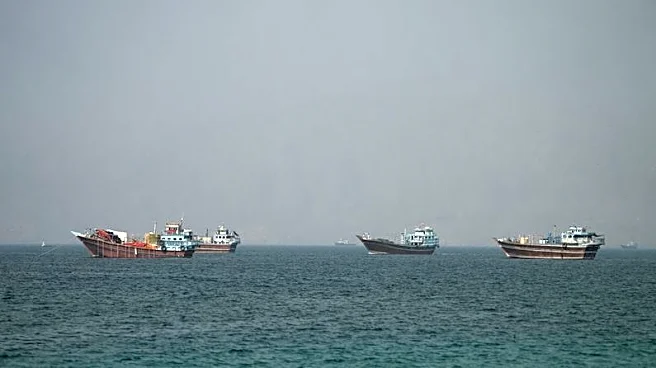
Saudi Arabia is set to lower the official selling prices (OSP) of its crude oil for Asia in August, following a significant drop in Middle East crude benchmarks. This development comes as the Strait of Hormuz, a critical oil transit route, tentatively
reopens, leading to an increase in oil supply from the region. According to a Reuters survey, Saudi Aramco, the world's largest crude oil exporter, plans to cut the OSP of its Arab Light crude by $6.50 to $8.00 per barrel. This reduction is expected to apply to other Saudi oil grades as well, including Arab Extra Light, Arab Medium, and Arab Heavy. The price cuts are anticipated to set the Arab Light price for Asia at a premium of $1.50 to $3 per barrel above the average Dubai/Oman prices, a significant decrease from the previous month's premium of $9.50. The reopening of the Strait of Hormuz and increased supply from the Middle East, including from Iran, are key factors influencing this price adjustment.
Why It's Important?
The decision to slash oil prices is significant for the global oil market, particularly for Asian countries that are major consumers of Saudi crude. Lower prices could stimulate demand in Asia, which has faced supply disruptions in recent months. For Saudi Arabia, adjusting prices is a strategic move to maintain its market share in Asia amidst fluctuating global oil dynamics. The reopening of the Strait of Hormuz is crucial as it is a vital passage for oil exports, and its closure had previously led to supply constraints and price volatility. The price cuts also reflect broader geopolitical developments, including the tentative U.S.-Iran agreement, which has implications for regional stability and oil supply chains.
What's Next?
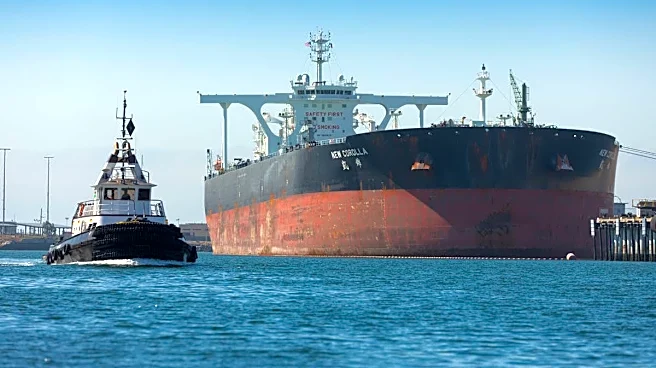
As Saudi Arabia prepares to resume crude loadings at Ras Tanura, further boosting its supply, the global oil market will closely monitor the impact of these price adjustments on demand and supply dynamics. The response from other oil-producing nations, particularly those in the Middle East, will be critical in shaping future oil prices. Additionally, the ongoing geopolitical developments in the region, including U.S.-Iran relations, will continue to influence oil market stability and pricing strategies.