










What's Happening?
Amazon has launched its same-day grocery delivery and pharmacy services in Louisville, Kentucky, covering a 55-mile radius around the city. This expansion is part of Amazon's broader strategy to enhance its delivery services across the U.S. The service was
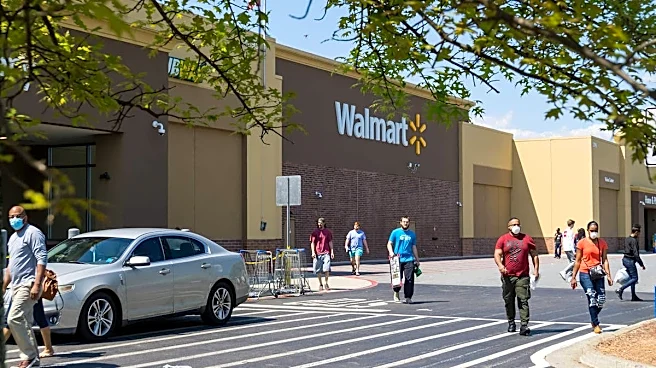
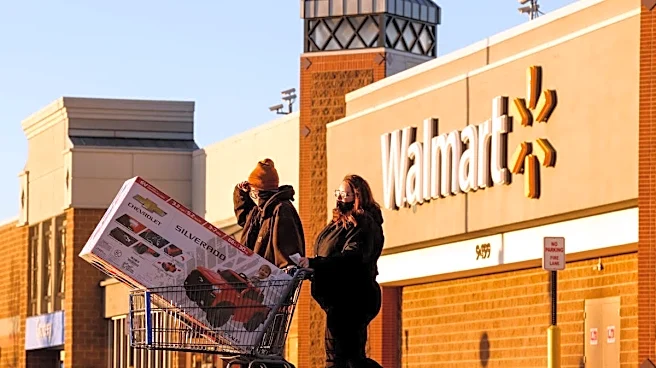
soft-launched in January and is now available in over 2,300 cities for grocery delivery and nearly 4,500 cities for pharmacy services. Amazon has decided to close its Amazon Fresh and Amazon Go physical stores to focus on this delivery model, converting some locations to Whole Foods Market stores. The company plans to open more than 100 Whole Foods stores in the coming years. This move comes as Amazon surpasses Walmart as the world's largest company by annual revenue, reporting $716.9 billion for the most recent fiscal year.
Why It's Important?
The expansion of Amazon's same-day delivery services in Louisville signifies a shift in consumer shopping habits towards convenience and speed. By focusing on delivery rather than physical stores, Amazon is adapting to the growing demand for online shopping, which has been accelerated by the pandemic. This strategy not only enhances customer experience but also positions Amazon as a leader in the retail industry, challenging traditional brick-and-mortar giants like Walmart. The closure of Amazon Fresh and Amazon Go stores indicates a strategic pivot to streamline operations and focus on scalable, profitable models. This could lead to increased competition in the grocery delivery market, impacting local businesses and potentially leading to job shifts within the retail sector.
What's Next?
Amazon's focus on expanding its delivery services suggests further growth in its logistics and distribution capabilities. The company may continue to invest in technology and infrastructure to improve delivery efficiency and customer satisfaction. As Amazon opens more Whole Foods locations, it could integrate these stores into its delivery network, offering a hybrid model of physical and online shopping. Competitors like Walmart may respond by enhancing their own delivery services or forming partnerships to maintain market share. Additionally, regulatory scrutiny could increase as Amazon's market dominance grows, potentially leading to discussions on antitrust measures.