






What's Happening?
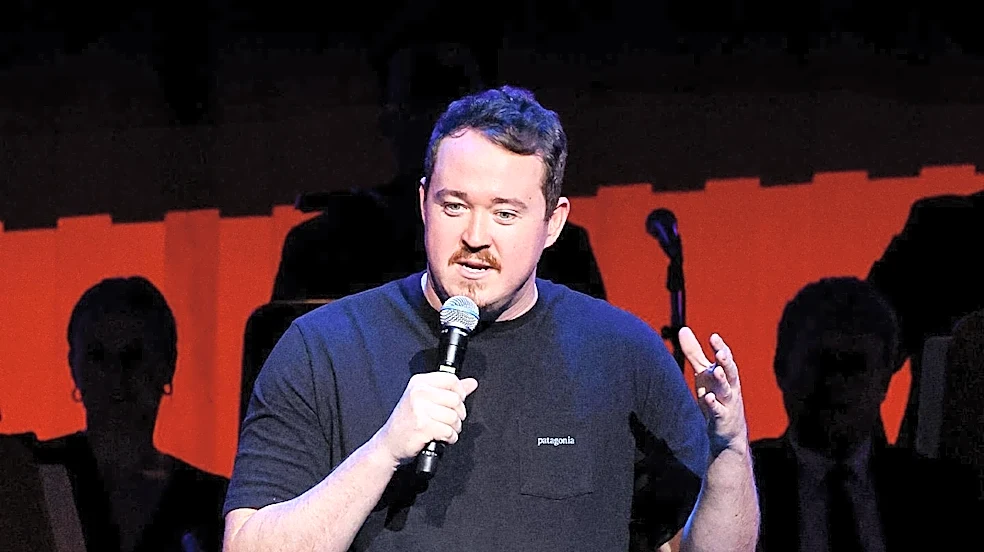
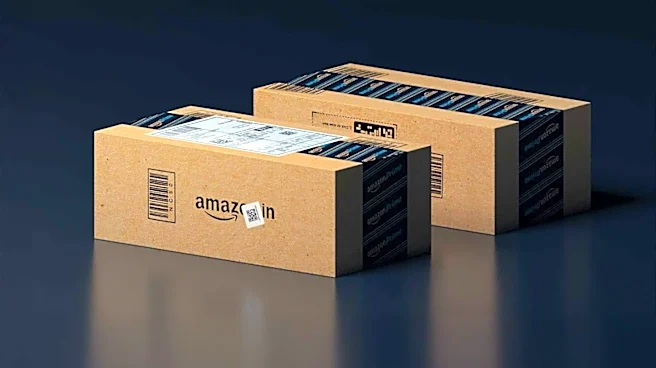
Women are actively embracing and purchasing 'booty-lifting' gym shorts, particularly a $20 pair from Amazon, despite recent critical comments made by comedian Shane Gillis during an SNL monologue. Gillis described women's workout attire, including these
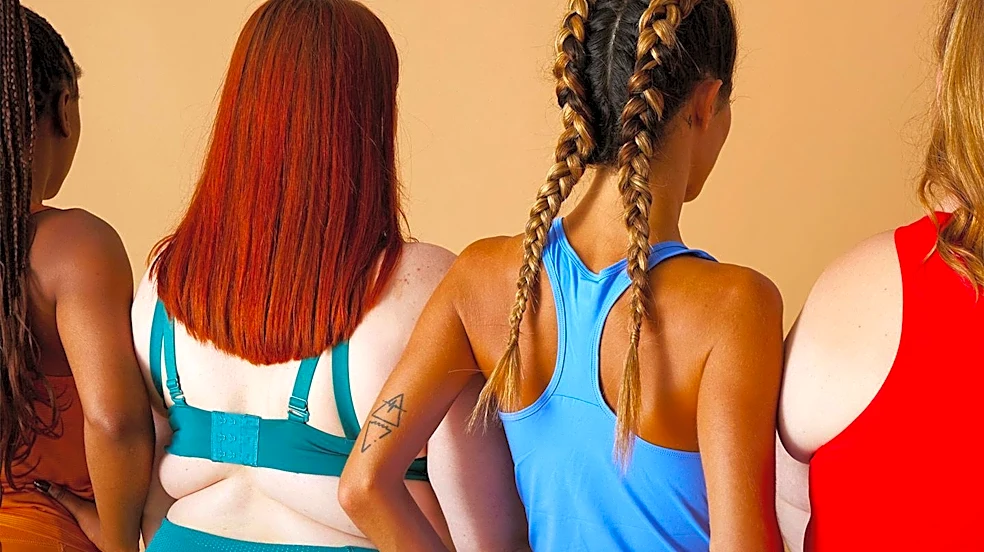
shorts, in a derogatory manner, leading to widespread social media backlash. Many women, including former SNL cast member Ego Nwodim, have responded by posting photos and videos in their gym outfits, asserting their right to wear what they choose. The specific shorts in question, the BRXL Scrunch Butt Lifting Shorts, are made from a nylon and spandex blend designed to sculpt curves, enhance hip definition, and provide a naturally lifted silhouette. Reviewers praise their comfort, compression, 'squat-proof' quality, and flattering fit, highlighting their practicality for workouts.
Why It's Important?
This trend highlights a broader cultural conversation around body shaming, women's autonomy in fashion choices, and the impact of public commentary on consumer behavior. The strong positive response from consumers, who are actively purchasing and endorsing these shorts, demonstrates a rejection of unsolicited criticism regarding women's attire, particularly in fitness settings. It underscores the growing importance of comfort and functional design in athletic wear, as women prioritize performance and personal preference over external judgment. The situation also showcases the power of social media in shaping public discourse and mobilizing responses to controversial statements, influencing both brand perception and consumer trends in the retail sector.
What's Next?
The continued popularity of these types of gym shorts is likely to persist, driven by consumer demand for comfortable, functional, and flattering athletic wear. Retailers and brands may further capitalize on this trend by expanding their offerings of similar styles and emphasizing body-positive messaging in their marketing. Comedians and public figures may face increased scrutiny for comments perceived as body-shaming or misogynistic, potentially leading to more cautious public statements or a greater emphasis on inclusive humor. Social media will continue to serve as a platform for both criticism and defense of fashion choices, influencing public opinion and consumer purchasing decisions in real-time.
Beyond the Headlines
Beyond the immediate controversy, this event touches upon deeper societal issues concerning gender, body image, and the male gaze. The comedian's comments reflect a persistent tendency to police women's bodies and clothing, particularly in spaces like gyms where focus should be on health and performance. The collective response from women, asserting their comfort and confidence in their chosen attire, signifies a powerful pushback against such objectification. This incident also highlights the evolving nature of fashion, where functionality and personal expression are increasingly prioritized over traditional aesthetic norms, challenging outdated perceptions of what constitutes appropriate or 'modest' clothing for women in public spaces.