


What's Happening?
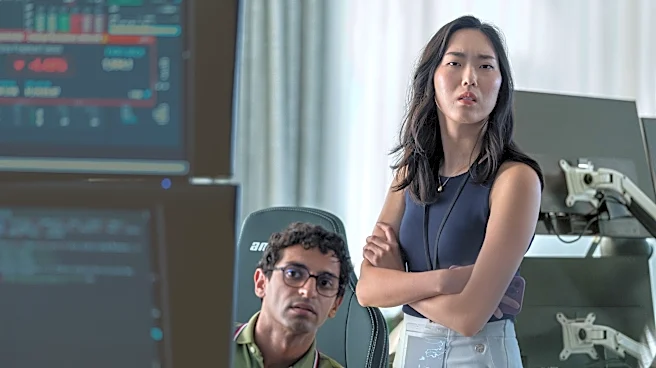
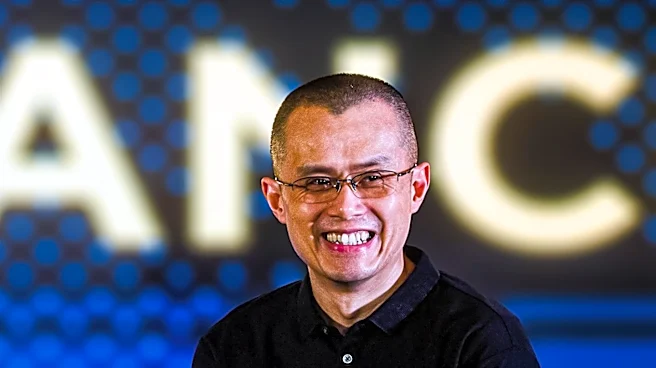
Changpeng Zhao, the founder of Binance, is seeking legal advice regarding his depiction in Netflix's series 'The Altruists,' which dramatizes the 2022 FTX collapse. The core of the dispute centers on a specific scene where a character representing Zhao allegedly
pressures Sam Bankman-Fried to engage in practices that would enable front-running of customer orders. Front-running involves a trading platform executing trades ahead of customer orders to profit from anticipated price movements. Zhao has publicly criticized this storyline on X, labeling it 'insane' and suggesting it is part of a coordinated effort against him. Notably, the show's creator, Graham Moore, has acknowledged that this particular depiction is fictional and lacks evidentiary support. Binance co-founder Yi He and former CFO Wei Zhou have also publicly denounced the portrayal, arguing that the series exaggerates Zhao's influence over FTX and diminishes Bankman-Fried's responsibility for the collapse. Zhao's legal team emphasizes that he has never been charged in any criminal or civil case related to FTX, nor has he been named as a co-conspirator.
Why It's Important?
This development is significant because it highlights the potential impact of dramatized media on ongoing legal and public perception battles, particularly within the cryptocurrency industry. While Zhao has faced his own legal issues, including a guilty plea to a Bank Secrecy Act violation and a four-month prison sentence, his record does not involve the misuse of FTX customer funds. The Netflix series, by placing Zhao closer to the core fraud of FTX, could influence public opinion and potentially affect future legal proceedings, especially given the pending $1.76 billion claim the FTX estate is pursuing against Binance. The portrayal could shape how potential jurors or counterparties perceive Zhao's role in the broader crypto landscape of 2022. For Netflix, the situation raises questions about creative license versus factual accuracy, particularly when the show's own creator admits to the fictional nature of a key scene. This could set a precedent for how real-world events and figures are depicted in docudramas, especially when legal disputes are still active.
What's Next?
Several key developments are anticipated following Zhao's decision to seek legal advice. First, it remains to be seen whether this consultation will escalate into a formal lawsuit against Netflix. The strength of Zhao's potential claim is bolstered by the show creator's admission that the scene in question is fictional and unsupported by evidence. Second, Netflix's response will be crucial; they may choose to address the controversy publicly, or potentially alter the series' framing of the scene, though such changes are rare post-release. Third, the ongoing $1.76 billion case between the FTX estate and Binance will continue to unfold. This litigation represents Zhao's actual legal exposure tied to FTX, and the narrative presented in 'The Altruists' could indirectly influence public and judicial perceptions surrounding this case. The outcome of Zhao's legal exploration could also impact how other prominent figures in the crypto space are portrayed in future media productions, potentially leading to increased scrutiny over factual accuracy in dramatizations of financial events.
Beyond the Headlines
Beyond the immediate legal implications, this situation touches upon broader ethical and cultural dimensions concerning the dramatization of real-world events, especially those involving complex financial collapses and public figures. The tension between artistic freedom and factual responsibility is at the forefront. In an era where media consumption heavily influences public perception, the portrayal of individuals in popular culture can have tangible consequences on their reputation, legal standing, and business interests. This incident underscores the power of narrative in shaping collective memory, particularly in high-stakes financial scandals like the FTX collapse. It also highlights the challenges faced by creators in balancing compelling storytelling with the need for accuracy, especially when dealing with ongoing legal disputes. The rapid public response from Zhao and Binance executives indicates the significant value placed on controlling one's narrative in the digital age, where a fictionalized scene in a popular series can quickly become a perceived 'truth' in the public consciousness, potentially impacting real-world financial and legal outcomes.