










What's Happening?
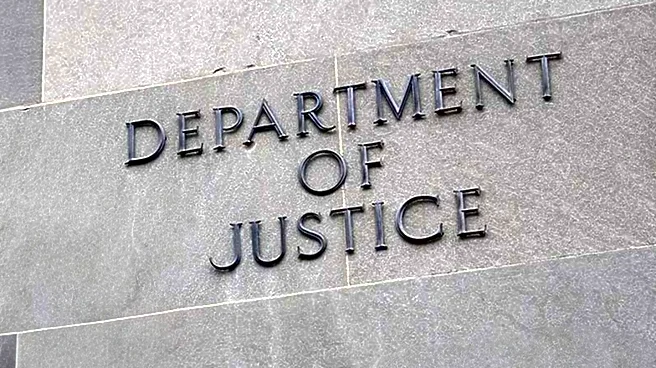
The U.S. Department of Justice has charged three of the largest egg suppliers in the country with price fixing. This follows a period where egg prices soared to an all-time high of $6.23 per dozen in March of the previous year, driven by an avian flu
outbreak that decimated the hen population. The outbreak led to panic buying and increased prices. However, the DOJ alleges that executives from these companies colluded to artificially inflate egg prices, exacerbating the situation. The charges highlight the ongoing scrutiny of corporate practices in the food supply chain, particularly in essential goods like eggs.
Why It's Important?
The charges against the egg suppliers underscore the critical role of regulatory oversight in maintaining fair market practices. Price fixing can lead to inflated costs for consumers, impacting household budgets and contributing to broader economic inflation. The DOJ's actions reflect a commitment to ensuring competitive practices in the food industry, which is vital for consumer protection and market stability. The case also highlights the vulnerabilities in the food supply chain, particularly during crises like the avian flu outbreak, and the potential for exploitation by major players in the industry.
What's Next?
The legal proceedings against the egg suppliers will likely involve extensive investigations and could result in significant penalties if the companies are found guilty. The case may prompt increased regulatory scrutiny across other sectors of the food industry, as authorities seek to prevent similar practices. Consumers and industry stakeholders will be watching closely to see how the case unfolds and its implications for market practices. The outcome could lead to reforms in how food prices are regulated and monitored, ensuring greater transparency and fairness in the market.