



What's Happening?
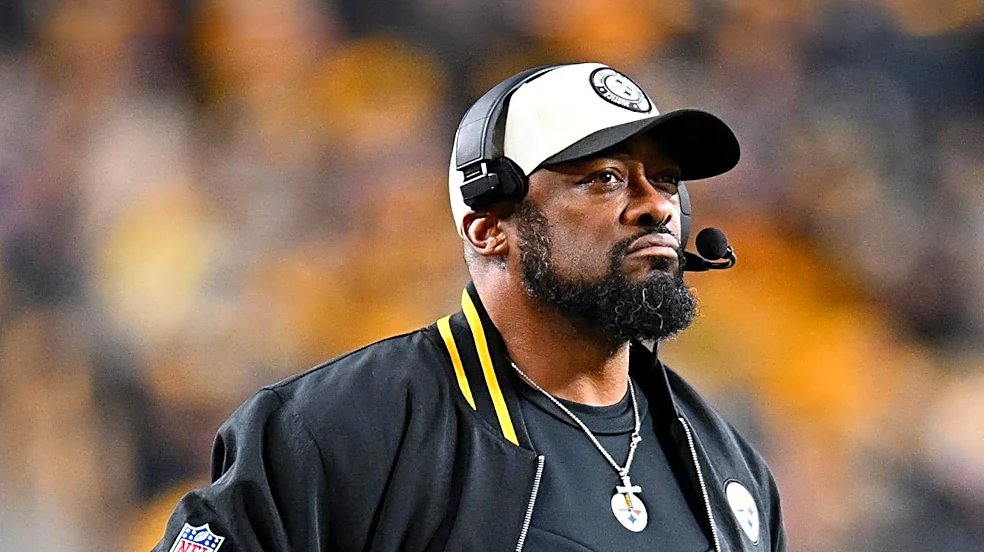
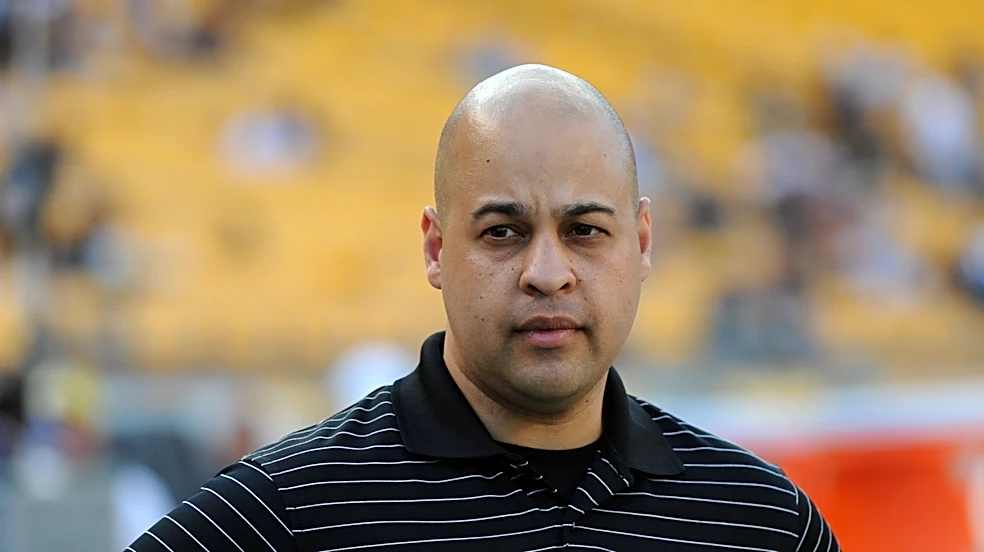
Former Pittsburgh Steelers head coach Mike Tomlin has significant coaching connections to the Dallas Cowboys, making him a potential candidate for future consideration by the team. According to Inside The Star, Tomlin coached defensive backs for the Tampa
Bay Buccaneers from 2001 to 2005, working under Jon Gruden, Monte Kiffin, and alongside Rod Marinelli, all of whom later coached in Dallas. Stephen Jones, a key figure in the Cowboys' front office, has previously praised Tomlin as "one of the great defensive minds" and acknowledged his background with Kiffin and Marinelli. Rich Bisaccia, another coach who worked with Tomlin in Tampa Bay, also spent five seasons coaching the Cowboys' special teams. These connections provide the Cowboys with familiar names and insights into Tomlin's operational style. Additionally, current Cowboys head coach Mike McCarthy has publicly referred to Tomlin as a friend, suggesting another potential avenue for communication regarding coaching in Dallas. Three current Cowboys players—George Pickens, Joey Porter Jr., and Broderick Jones—previously played for Tomlin in Pittsburgh, which could ease a potential transition, though Tomlin's past public challenge of Pickens' maturity could complicate a reunion.
Why It's Important?
The extensive connections between Mike Tomlin and the Dallas Cowboys are significant because they lay a groundwork for a potential future coaching role, should the Cowboys seek a change. Tomlin's long tenure with the Steelers, marked by 19 seasons without a losing record, demonstrates a consistent ability to lead a competitive team, a quality highly valued in the NFL. However, his lack of a playoff victory since 2016 with Pittsburgh would be a critical point of discussion. For the Cowboys, a team often under pressure to achieve deep playoff success, Tomlin's proven track record of team stability combined with his defensive acumen could be an attractive prospect. The familiarity of key Cowboys personnel with Tomlin's coaching philosophy and methods, through shared colleagues and former players, could streamline any potential hiring process and integration into the team's culture. The financial implications are also noteworthy, as reports suggest the Steelers may not seek draft compensation if Tomlin returns to coaching in 2027, which would be a significant advantage for any team looking to hire him without sacrificing valuable draft capital.
What's Next?
Should the Dallas Cowboys consider a coaching change, Mike Tomlin's name is likely to emerge as a prominent candidate due to his established connections and coaching pedigree. A key next step for any team considering Tomlin would be to thoroughly interview him, particularly focusing on his offensive strategy and his plans for an offensive coordinator. The Cowboys, with quarterback Dak Prescott, would need assurance that Tomlin has a clear vision for consistent offensive production. Furthermore, discussions between Tomlin and Cowboys owner Jerry Jones would need to clarify the decision-making authority regarding coaching staff appointments before any agreement is finalized. The potential reunion with former players like George Pickens would also need to be addressed, given their past interactions. While Tomlin has recently transitioned to an NBC analyst role, his long-term coaching future remains a subject of speculation, and his connections to Dallas position him as a viable option if the opportunity arises.
Beyond the Headlines
Beyond the immediate coaching considerations, the potential for Mike Tomlin to join the Dallas Cowboys highlights broader trends in NFL coaching hires, where established relationships and shared professional histories often play a crucial role. The emphasis on Tomlin's defensive mind, as noted by Stephen Jones, underscores the ongoing value placed on strong defensive leadership in the league. However, the scrutiny over his offensive philosophy and playoff performance since 2016 reflects a growing demand for head coaches who can deliver comprehensive team success, particularly on the offensive side of the ball in a pass-heavy era. The situation also touches upon the evolving landscape of coaching transitions, where former coaches often take on media roles before potentially returning to the sidelines, offering them a platform to maintain visibility and refine their perspectives. The dynamic between a coach and former players, as seen with George Pickens, also illustrates the complex human element in team building and the challenges of managing past relationships in new professional contexts.