










What's Happening?
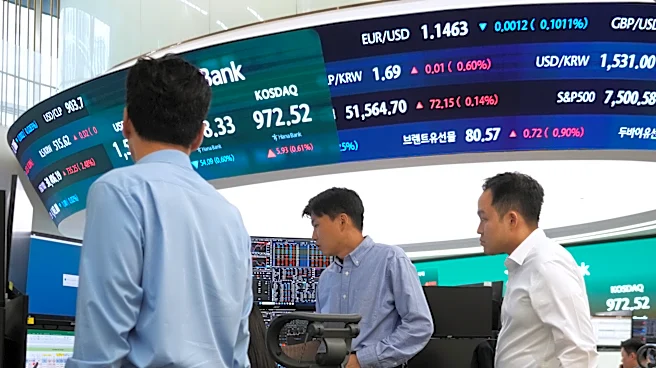
The United States continues to be a leading exporter of low-emission packing products, with approximately 20-25% of its domestic production being exported to semiconductor-intensive markets in Asia, including Taiwan, South Korea, and Japan. This trend
is part of a broader global market for low-emission packing products, which is projected to grow at a compound annual rate of 5-7% from 2026 to 2035. The growth is driven by tightening fugitive-emission standards and the expansion of semiconductor and electronics component production. The U.S. and Europe are the leading net exporters, reflecting their technological leadership in material science and emission testing infrastructure.
Why It's Important?
The export of low-emission packing products is crucial for maintaining the U.S.'s competitive edge in the global market, particularly in the high-tech sectors. These products are essential for semiconductor manufacturing, which is a critical industry for technological advancement and economic growth. The U.S.'s ability to supply these products to Asia, a major hub for semiconductor production, underscores its role in the global supply chain. This trade not only supports U.S. manufacturers but also helps in maintaining strong economic ties with key Asian markets, which are vital for the U.S. economy.
What's Next?
As the global demand for low-emission packing products continues to rise, the U.S. is likely to see increased opportunities for export growth. The ongoing expansion of semiconductor manufacturing facilities, particularly in Asia, will drive further demand for these products. U.S. manufacturers may need to invest in capacity expansion and innovation to meet the growing demand and maintain their competitive position. Additionally, regulatory changes and environmental standards will continue to shape the market dynamics, requiring companies to adapt and innovate.