


What's Happening?
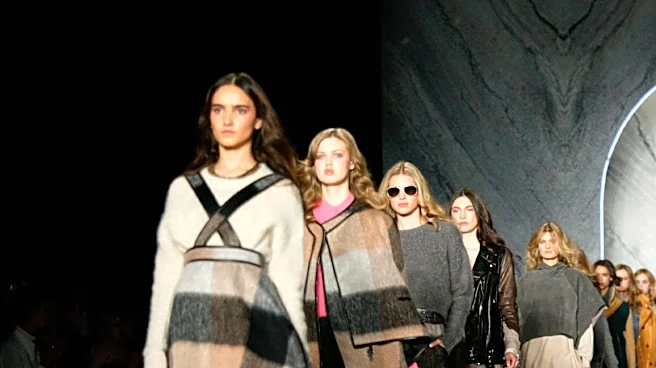
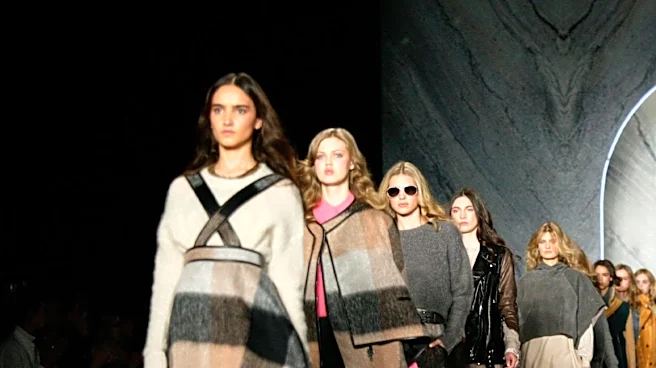
The fashion industry is witnessing a significant shift in trends, moving away from the 'quiet luxury' aesthetic that dominated previous seasons towards a more maximalist approach for Spring 2027. According to W Magazine, recent September and October fashion shows
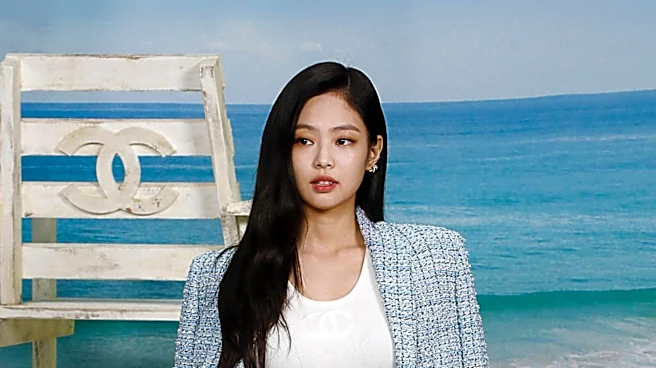
highlighted a strong emphasis on embellishment across accessories. Designers showcased major jewelry pieces worn in unconventional ways, an abundance of scarves, and multiple belts worn simultaneously. This marks a departure from the understated elegance and simplicity previously associated with quiet luxury. Brands like Hermès, Prada, and Chanel even featured handbags with cut-outs, while footwear saw extensive embellishments, including toe jewels and decorative bows. The overall sentiment from the runways indicates a return to bold, statement-making fashion, with designers focusing on intricate details and layered accessories. This trend is evident in various elements, from gigantic jewels to futuristic sunglasses and multi-layered belts, signaling a clear move towards more expressive and ornate styles.
Why It's Important?
This shift from quiet luxury to maximalism has several implications for the U.S. fashion industry and consumers. For designers and retailers, it necessitates a re-evaluation of production strategies and inventory, as demand will likely pivot towards more embellished and statement pieces. This could lead to increased sales in the accessories market, particularly for jewelry, scarves, and belts. Consumers, in turn, may find themselves investing in more elaborate items, potentially boosting the market for luxury and high-end accessories. The change also reflects broader cultural sentiments, possibly indicating a desire for more expressive and less restrained forms of self-expression after a period of understated trends. This could influence marketing campaigns, editorial content in fashion publications, and the overall aesthetic presented in retail environments. The move away from quiet luxury might also impact smaller brands that specialized in minimalist designs, pushing them to adapt or risk losing market share to those embracing the new maximalist wave.
What's Next?
As the Spring 2027 collections roll out, consumers can expect to see a proliferation of embellished accessories and bold fashion statements in retail stores and online. Fashion brands will likely intensify their marketing efforts to promote these new maximalist trends, influencing consumer purchasing decisions. We may see an increase in collaborations between designers and jewelry makers, as well as a focus on intricate craftsmanship in accessory production. Fashion influencers and stylists will play a crucial role in popularizing these trends, showcasing how to incorporate maximalist elements into everyday wear. Additionally, the shift could lead to a resurgence of interest in vintage and antique jewelry, as consumers seek unique and ornate pieces to complement the new aesthetic. The industry will also be watching to see if this maximalist trend has staying power or if it is a temporary pendulum swing before another shift in fashion philosophy.
Beyond the Headlines
The cyclical nature of fashion trends often reflects broader societal moods and economic conditions. The move from quiet luxury, which often signifies a more discreet display of wealth and status, to maximalism could suggest a desire for more overt expression and perhaps a reaction against austerity. Ethically, the increased demand for embellished items might raise questions about sourcing and sustainability, particularly concerning materials like gemstones and metals. Brands may face pressure to ensure ethical supply chains for the components used in their more elaborate designs. Culturally, this shift could be interpreted as a move towards greater individuality and a rejection of conformity, as maximalism encourages unique styling and bold personal statements. It also highlights the constant evolution of luxury, where what is considered desirable and exclusive changes with each season, influencing consumer behavior and the very definition of high fashion.