




What's Happening?
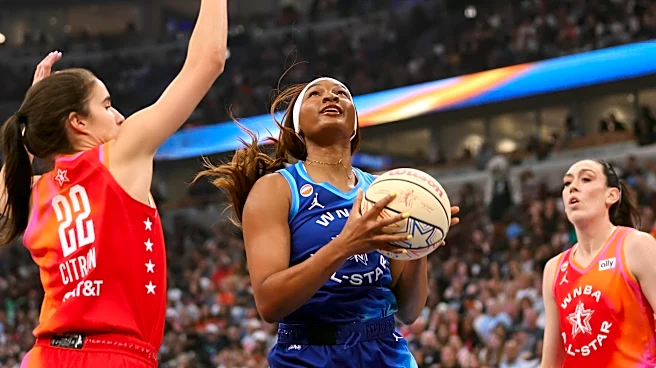
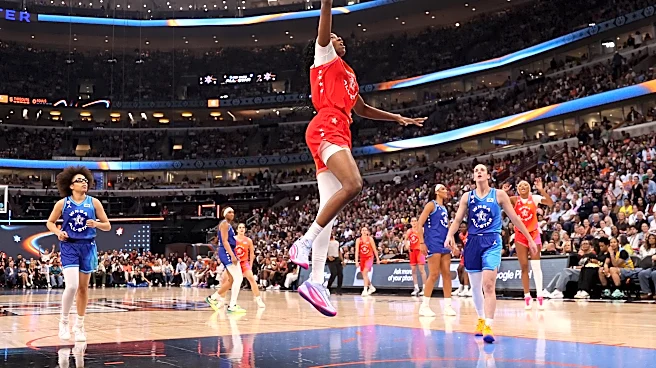
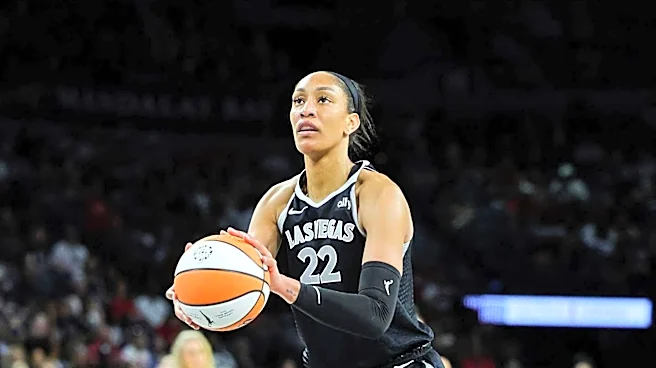
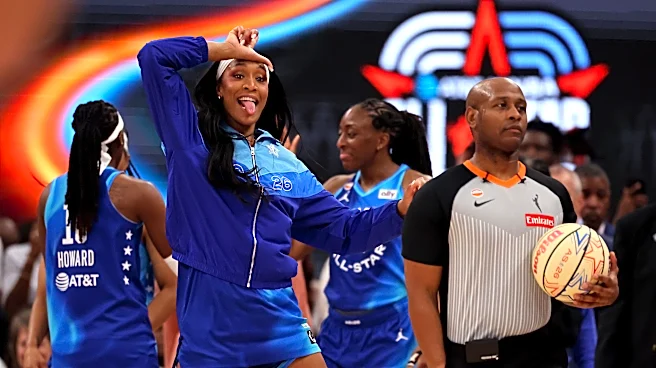
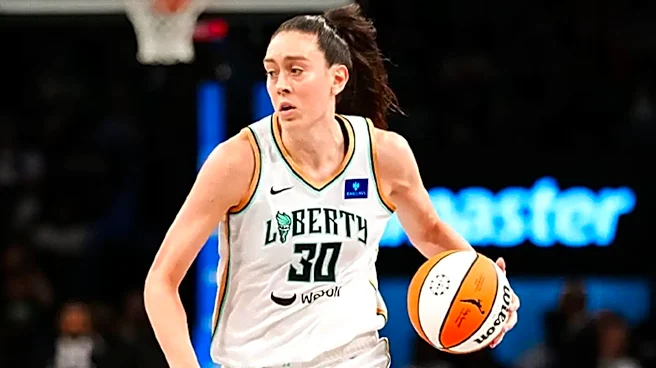
WNBA players, including Nneka Ogwumike, Caitlin Clark, and Breanna Stewart, have raised concerns about the tight scheduling around the All-Star Weekend. The players highlighted the quick turnaround between the All-Star events and the resumption of the regular
season, which they believe affects player performance and effort. Ogwumike, the WNBPA president, suggested that increasing rest time and financial incentives could improve the quality of play. The current WNBA collective bargaining agreement provides $15,000 to each All-Star Game participant, with an additional $20,000 for the MVP, contrasting with the NBA's higher bonuses. Despite these incentives, the NBA has also faced challenges with player effort during All-Star Games.
Why It's Important?
The call for more rest time and better financial incentives reflects ongoing discussions about player welfare and compensation in professional sports. The WNBA's current scheduling and compensation structure may impact player performance and the league's overall competitiveness. Addressing these issues could lead to improved player satisfaction and performance, potentially enhancing the league's appeal to fans and sponsors. The disparity between the WNBA and NBA in terms of bonuses and rest periods highlights broader issues of gender equity in sports.
What's Next?
The WNBPA plans to address these concerns in future collective bargaining negotiations. The league's response to these calls for change will be crucial in determining the future structure of the All-Star Weekend and the regular season schedule. Stakeholders, including team owners and league officials, will need to consider the financial and logistical implications of any proposed changes.