


What's Happening?
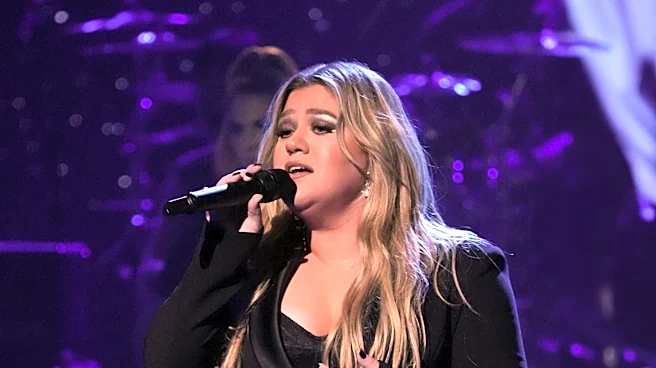
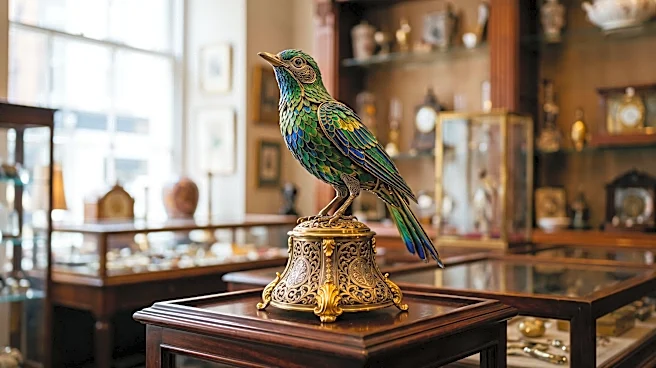
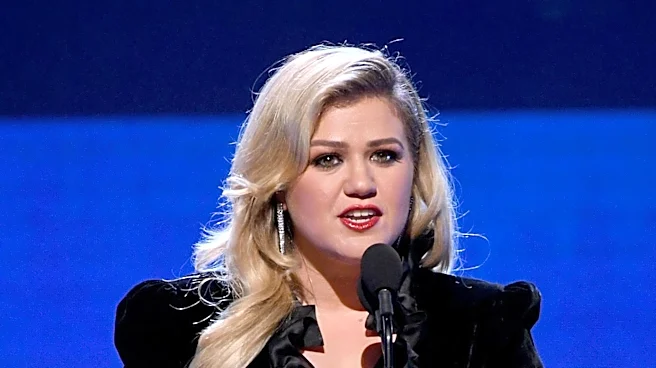
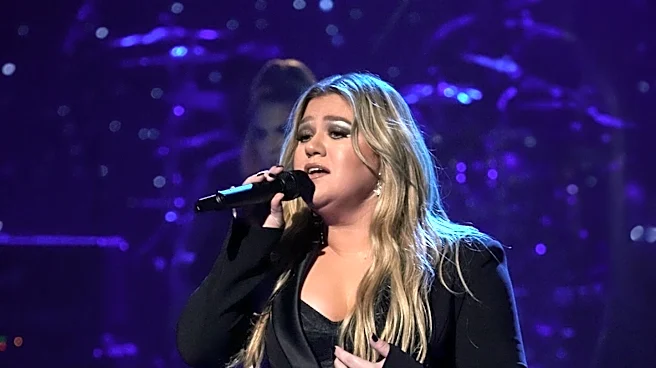
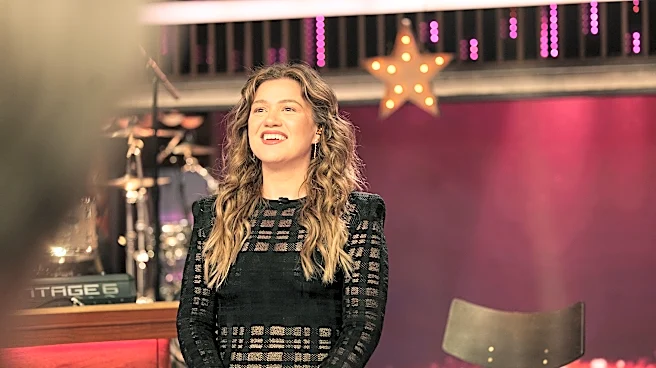
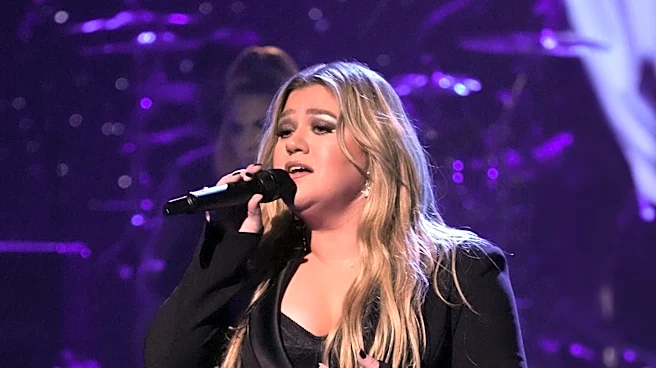
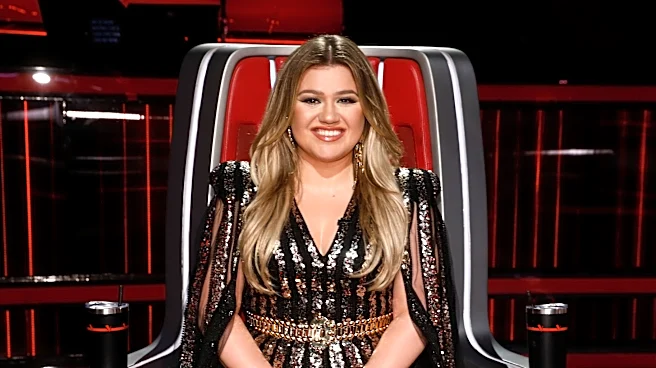
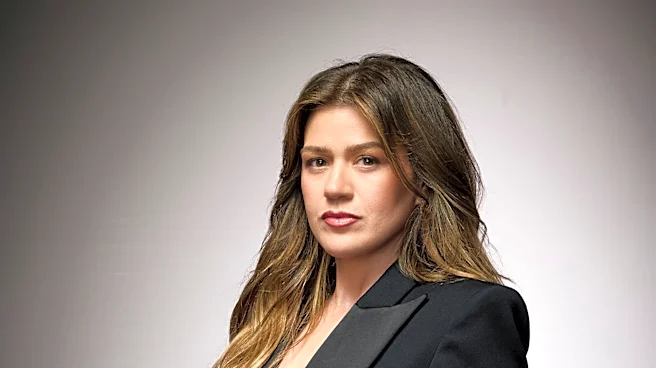
Singer Kelly Clarkson's social media post about a negative experience at Art of Play, a Brooklyn store, has led to a barrage of online commentary and real-world backlash against the business. Clarkson claimed she was "looked at as if I couldn’t afford
it" during an interaction concerning a high-priced mechanical bird, and subsequently named the store and gave it a thumbs down on social media. The store owners, including Adam Rubin, stated that the item was not for sale and they had attempted to find an alternative, which Clarkson disputed. Since her initial post, the store has received hateful messages and negative reviews, with one individual even showing up at the premises. This incident highlights the significant impact of celebrity influence on social media and the power dynamics between public figures and small businesses.
Why It's Important?
This event underscores the immense power of celebrity in the digital age and its potential to disproportionately affect individuals and small businesses. While anyone can express dissatisfaction online, a celebrity's large platform can quickly escalate a personal grievance into a widespread public issue, leading to severe consequences for the targeted entity. This case serves as a cautionary tale about the responsibilities that come with significant online influence. It raises questions about the ethical use of social media by public figures and the potential for their followers to engage in harmful behavior, often without full knowledge of the situation. For small businesses, such incidents can be devastating, impacting their reputation, customer base, and even the safety of their staff, demonstrating the vulnerability of local enterprises to online mob mentality.
What's Next?
The immediate aftermath for Art of Play involves managing the ongoing negative attention, which includes addressing hateful messages and negative reviews. The store owners may need to consider strategies for reputation management and potentially legal recourse, though the latter can be costly and complex. For Kelly Clarkson, this incident might prompt a reevaluation of how she uses her social media platform, particularly regarding public complaints about businesses. Experts like Alfred Archer, assistant professor at Tilburg University, suggest that celebrities should be more cognizant of their influence and exercise caution in their online communications. The broader conversation around celebrity accountability and the impact of parasocial relationships on social media is likely to continue, potentially leading to more discussions about guidelines or best practices for public figures online.
Beyond the Headlines
This incident delves into the deeper implications of parasocial relationships, where fans develop one-sided connections with celebrities, often feeling a sense of loyalty that can manifest as aggressive defense. Social media has intensified this phenomenon, blurring the lines between public and private interactions and creating a false sense of intimacy. The case also highlights the stark contrast in power between a celebrity with millions of followers and a small, local business. It raises ethical questions about the responsibility of those with significant platforms to consider the potential harm their words can inflict, even if unintended. This event could contribute to a broader societal discussion about digital etiquette, the weaponization of online platforms, and the need for greater empathy and critical thinking in online interactions, especially when engaging with content from influential figures.