




What's Happening?
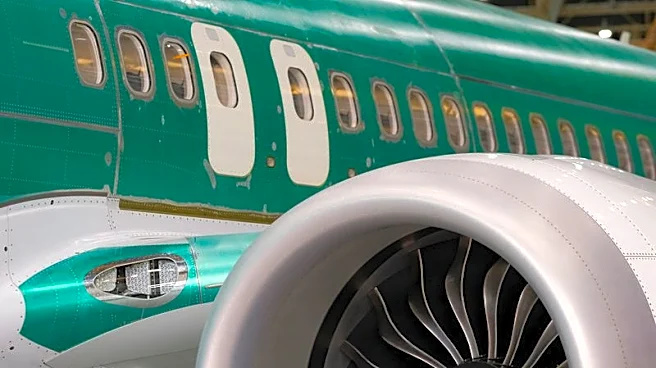
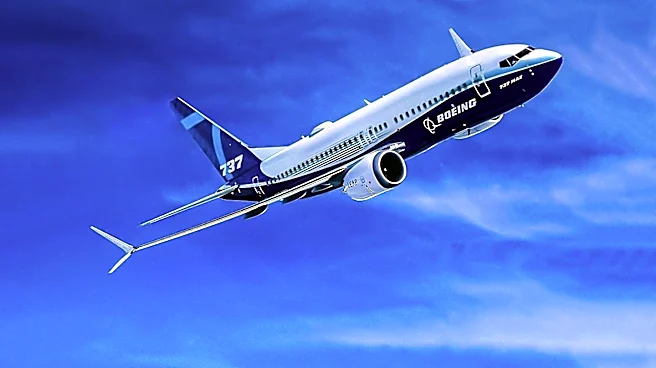
The Federal Aviation Administration (FAA) has certified the Boeing 737 Max 7, the smallest model in the 737 Max family, after nearly a decade of delays. This certification follows extensive regulatory scrutiny and technical modifications, including updates
to the flight-control software and a redesigned engine anti-ice system. The approval marks a significant milestone for Boeing, which has faced challenges following the fatal crashes of the Max 8 in 2018 and 2019. Airlines, including Southwest, are preparing to integrate the aircraft into their fleets, although it may take months to incorporate them into schedules. Boeing is also awaiting certification for the 737 Max 10 and the 777X models.
Why It's Important?
The certification of the 737 Max 7 is crucial for Boeing's recovery efforts, as the company seeks to regain trust and financial stability after years of crisis. The approval allows Boeing to deliver the aircraft to customers, providing a much-needed cash influx. The decision also reflects the FAA's confidence in Boeing's safety improvements and design modifications. For airlines, the introduction of the Max 7 offers an opportunity to modernize fleets with more fuel-efficient aircraft, potentially reducing operational costs. The development is also significant for the U.S. aerospace industry, as Boeing is a major exporter and employer.
What's Next?
Boeing and its airline customers will focus on integrating the 737 Max 7 into service, which involves logistical planning and pilot training. The company will continue to work towards the certification of the 737 Max 10 and the 777X, which are expected to further enhance its product lineup. The FAA's decision may also influence regulatory processes for future aircraft certifications. As Boeing ramps up production, it will aim to meet delivery schedules and fulfill existing orders, contributing to its financial recovery and market competitiveness.