



What's Happening?
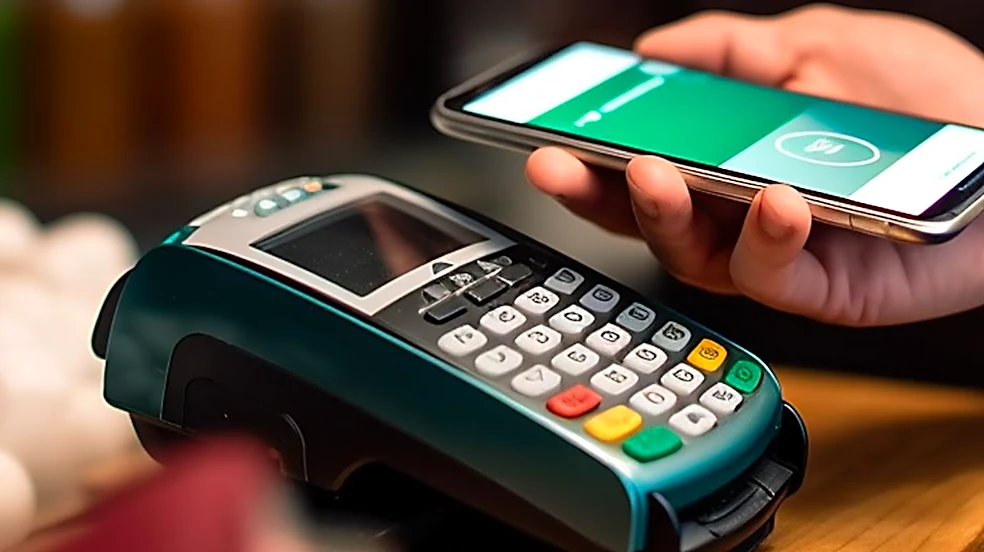
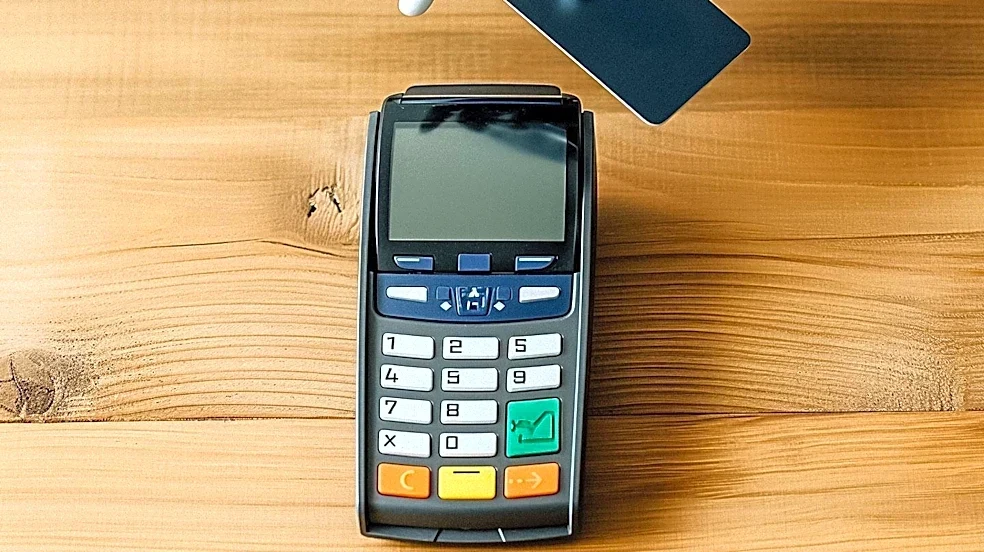
Near Field Communication (NFC) technology is widely used for mobile payments, allowing users to complete transactions by bringing their smartphones or smartwatches close to a payment terminal. This process involves the exchange of payment data via NFC,
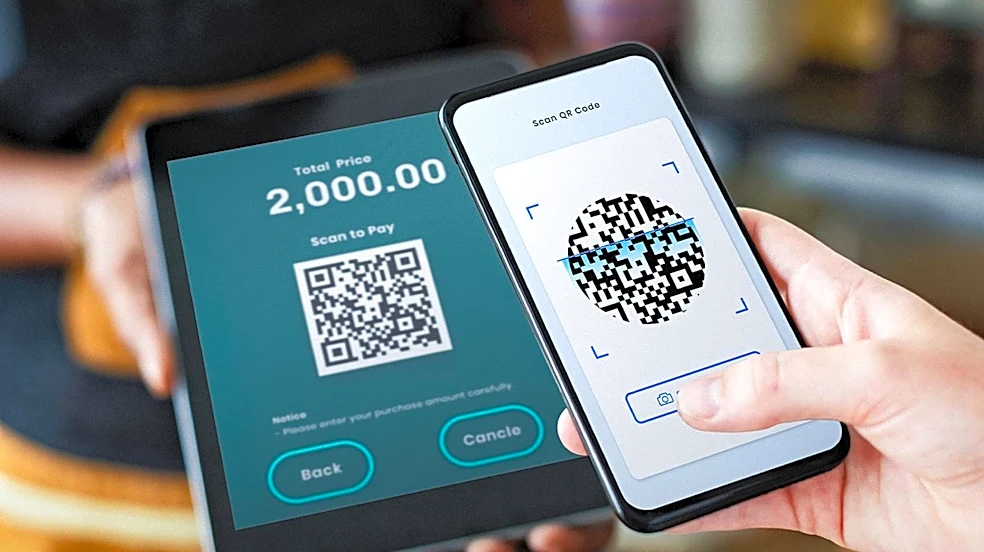
with transactions authorized through the payment network. A key security feature is tokenization, where a mobile wallet replaces the actual card number with a payment token, preventing merchants from directly accessing sensitive information. Additional security measures, such as fingerprint or facial recognition, can be integrated into the phone for verification. Beyond payments, NFC operates in three modes: card emulation (for payments or access systems), reading and writing (for interacting with NFC tags to open links or trigger actions), and direct communication between two NFC-equipped devices for data exchange. While convenient, users are advised to be cautious with unknown NFC tags, treating them similarly to unknown QR codes or links, as they could potentially lead to phishing pages.
Why It's Important?
The widespread adoption of NFC technology for mobile payments significantly impacts consumer convenience and security in the U.S. financial landscape. For consumers, it offers a faster and more streamlined checkout experience, reducing reliance on physical cards and cash. The implementation of tokenization and biometric verification enhances transaction security, potentially lowering instances of credit card fraud. For businesses, particularly retailers, NFC-enabled payment systems can lead to quicker transaction times and improved customer satisfaction. The broader applications of NFC, such as interacting with smart posters or automating device settings, suggest a future where everyday interactions are increasingly digitized and simplified. This technological shift also influences the development of digital wallets and payment infrastructure, pushing financial institutions and tech companies to innovate in secure and user-friendly mobile solutions. The ease of use and enhanced security features of NFC contribute to its growing importance in the evolving digital economy.
What's Next?
The continued integration of NFC technology is expected to expand beyond traditional payment scenarios. As more devices become NFC-enabled, we can anticipate an increase in its use for various applications, including public transit, access control systems, and smart home automation. The development of more sophisticated NFC tags could lead to innovative marketing strategies and interactive consumer experiences, where products can provide instant information or trigger specific actions on a user's device. Financial institutions and technology companies will likely continue to enhance the security protocols surrounding NFC payments, addressing potential vulnerabilities like relay attacks with more dynamic authentication mechanisms. Furthermore, the convenience offered by NFC could drive further adoption of digital wallets, potentially leading to a decrease in the use of physical cards and cash in daily transactions. The evolution of NFC will likely focus on seamless integration into daily life, making interactions more intuitive and secure.
Beyond the Headlines
The pervasive nature of NFC technology extends beyond mere convenience, subtly reshaping consumer behavior and expectations regarding digital interactions. The 'invisible' nature of NFC, where complex processes occur without conscious user effort, fosters a reliance on seamless technological integration. This shift could lead to a greater demand for intuitive interfaces across various sectors, from retail to public services. Ethically, the security of personal data transmitted via NFC remains a critical consideration, despite current safeguards like tokenization. The potential for misuse through malicious NFC tags highlights the ongoing need for user education and vigilance in the digital age. Culturally, the increasing comfort with contactless interactions could further accelerate the move towards a cashless society, impacting economic inclusion for those without access to digital payment methods. The long-term implications involve a deeper intertwining of physical and digital realities, where everyday objects and environments become increasingly interactive through NFC-enabled devices.