



What's Happening?
Macy Lucarelli, co-founder of the LA-based design studio The Plant Daddies, has shared insights on how to elevate common houseplants into statement pieces for stylish interiors. The Plant Daddies specialize in finding and enhancing the natural form of plants,
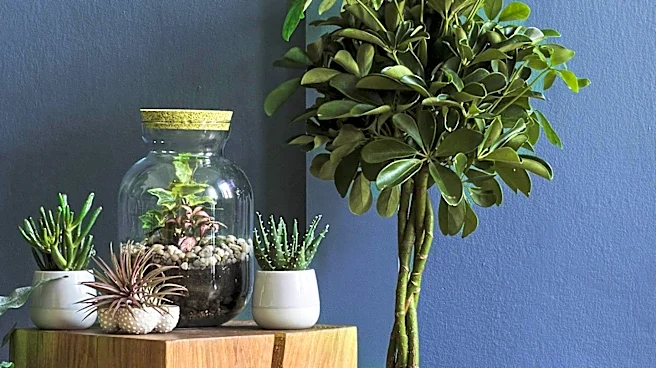
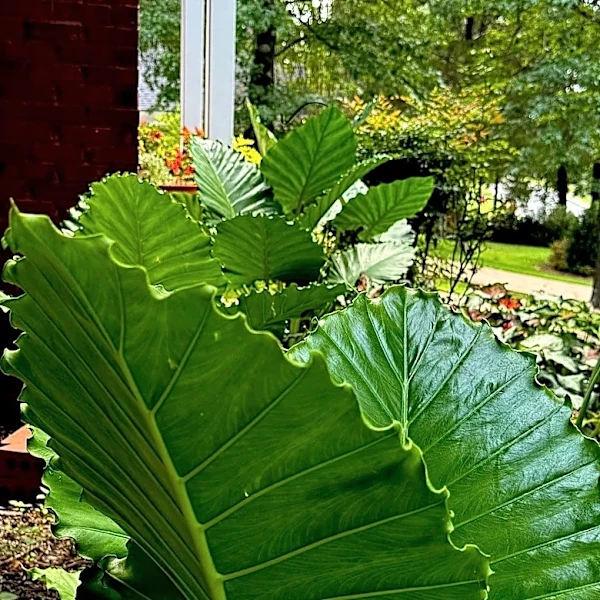
pairing them with suitable vessels to create 'living art.' Lucarelli emphasizes that even popular houseplants can transform a space, with the key being in the styling and selection of specimens with character. He highlights five specific houseplants: Money Tree, Rubber Tree, Elephant Bush, Split Leaf Philodendron, and Ficus Audrey. For each, he provides tips on how to make them uncommon, such as shaping Money Trees with bonsai wire, seeking out mature Rubber Trees with interesting root systems, embracing unusual growth habits in Elephant Bushes, and finding sculptural Split Leaf Philodendrons with aerial roots. The advice also includes selecting the right pot to complement the plant's form.
Why It's Important?
This approach to houseplants is important for several reasons. Firstly, it democratizes interior design by showing that sophisticated, curated spaces don't require rare or expensive plants, making stylish living more accessible. Secondly, it promotes a deeper appreciation for the natural beauty and unique characteristics of common plants, encouraging homeowners to view them as sculptural elements rather than mere decor. For the home decor and plant industries, this trend can drive demand for mature, uniquely shaped specimens and high-quality planters. It also encourages creativity in plant care and styling, potentially fostering a more engaged and knowledgeable community of plant enthusiasts. By focusing on the 'art' of plants, The Plant Daddies are influencing how people integrate nature into their living environments, emphasizing intentional design and personal expression.
What's Next?
The tips shared by The Plant Daddies are likely to inspire homeowners and interior designers to rethink their approach to houseplants, leading to a greater emphasis on plant styling and the selection of unique specimens. This could result in increased demand for plant artists and designers who specialize in integrating plants as sculptural elements. Retailers in the plant and home decor sectors may adapt by offering a wider variety of mature and characterful plants, as well as a more curated selection of planters. Educational content on plant shaping, training, and pairing with vessels is also likely to grow in popularity. Ultimately, this trend could lead to more personalized and aesthetically rich indoor environments, with plants playing a central role in defining the character of a space.
Beyond the Headlines
The philosophy espoused by The Plant Daddies, which focuses on elevating common houseplants through intentional styling and appreciation of their unique forms, taps into a deeper cultural yearning for connection with nature and authenticity in our living spaces. In an increasingly digital and mass-produced world, the idea of 'living art' that evolves and changes offers a refreshing counterpoint. Ethically, this approach encourages a more sustainable relationship with plants, valuing their longevity and natural development rather than treating them as disposable decor items. It also promotes mindfulness and patience, as shaping and nurturing plants takes time and observation. Culturally, it reflects a growing trend towards biophilic design, where natural elements are integrated into interiors to enhance well-being and create a sense of calm and connection to the outdoors. This movement suggests that our homes are not just shelters, but dynamic ecosystems that reflect our personal growth and appreciation for the living world.