



What's Happening?
Interior designer and licensed therapist Anita Yokota has developed a 'Biophilic Blueprint,' a systematic approach to integrating natural elements into home design to enhance well-being and reduce decision fatigue. This method, detailed in her new book
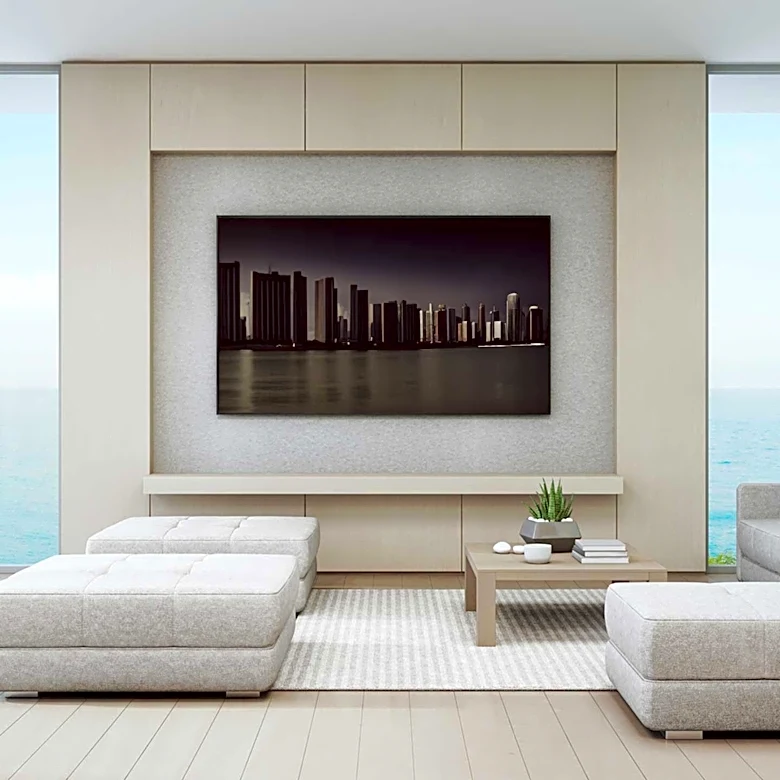
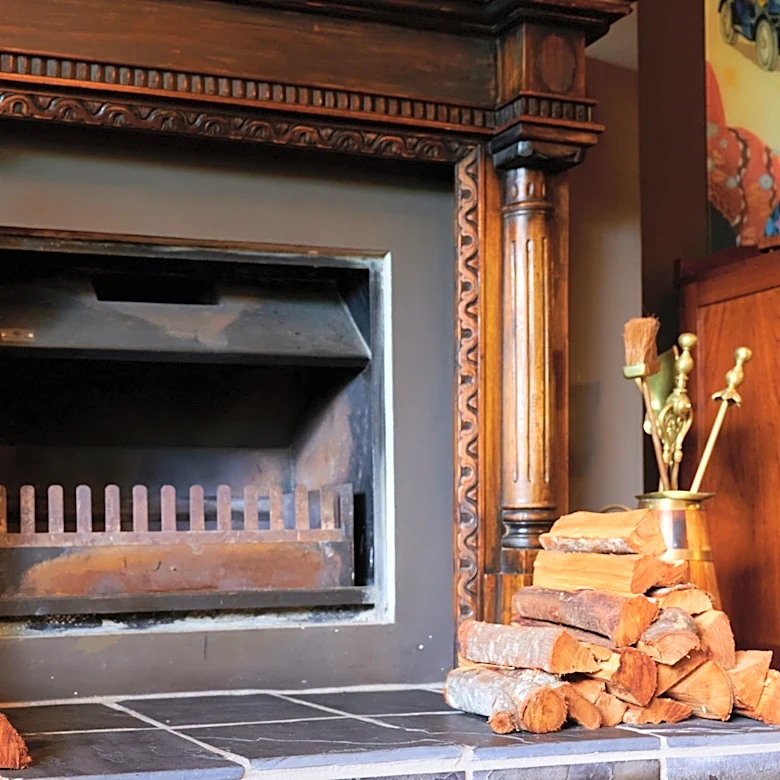
'Grounded Living,' moves beyond simply adding plants to incorporate nature-inspired aesthetics. Yokota's blueprint guides individuals to select one of four landscapes—Meadow, Ocean, Mountain, or Desert—and then a season—winter, summer, spring, or fall—that resonates with them emotionally. This combination forms their unique biophilic archetype, which then dictates specific design choices, such as materials, colors, and textures. For example, a 'fall ocean' archetype might feature weathered metal, stormy blues, and distressed leather, while a 'winter mountain' could involve charcoal gray, suede, and checkered upholstery. The goal is to create calming spaces that reflect nature and put minds and bodies at ease, making biophilic design accessible and less intimidating for homeowners.
Why It's Important?
The introduction of the 'Biophilic Blueprint' by Anita Yokota is significant as it democratizes biophilic design, making it more accessible to a broader U.S. audience. In an increasingly wellness-focused design industry, this structured approach helps consumers move beyond superficial interpretations of biophilia, such as merely adding houseplants, to a more holistic integration of natural aesthetics. This can lead to more effective creation of calming and restorative home environments, potentially improving mental and physical well-being for individuals. By providing a clear framework, Yokota addresses the common challenge of decision fatigue in design, empowering homeowners to make choices that genuinely connect them to nature. This trend could influence the U.S. interior design market, encouraging manufacturers and retailers to offer products aligned with these specific nature archetypes, and potentially shifting consumer preferences towards more thoughtfully integrated natural elements in their living spaces.
What's Next?
The 'Biophilic Blueprint' is expected to gain traction as consumers seek more intentional and wellness-oriented home environments. Following the release of Yokota's book, 'Grounded Living,' there will likely be increased adoption of her methodology by individuals and potentially other designers. This could lead to workshops, online courses, and collaborations with home furnishing brands to offer curated collections aligned with the 'Meadow,' 'Ocean,' 'Mountain,' and 'Desert' archetypes across different seasons. The approach may also influence architectural and interior design education, with a greater emphasis on structured biophilic integration. As more people implement the blueprint, there could be a rise in demand for specific natural materials, color palettes, and textures that correspond to these archetypes, impacting supply chains and product development in the home decor industry. The long-term impact could see biophilic design evolve from a niche concept to a mainstream design principle, with a focus on personalized, nature-inspired living spaces.
Beyond the Headlines
Beyond its immediate application in home decor, the 'Biophilic Blueprint' taps into deeper psychological and cultural dimensions. It acknowledges the innate human need for connection with nature, known as biophilia, and translates it into a practical design language. This approach could foster a greater appreciation for natural environments and their restorative qualities, potentially influencing broader societal attitudes towards sustainability and environmental conservation. By encouraging individuals to identify with specific landscapes and seasons, the blueprint promotes a more mindful and personal relationship with their surroundings, moving beyond transient trends to create enduring, meaningful spaces. Ethically, it highlights the responsibility of designers to create environments that support human well-being, rather than merely aesthetics. Culturally, it could lead to a re-evaluation of how homes are perceived—not just as shelters, but as extensions of the natural world, contributing to a more harmonious existence between humans and their environment.