





What's Happening?
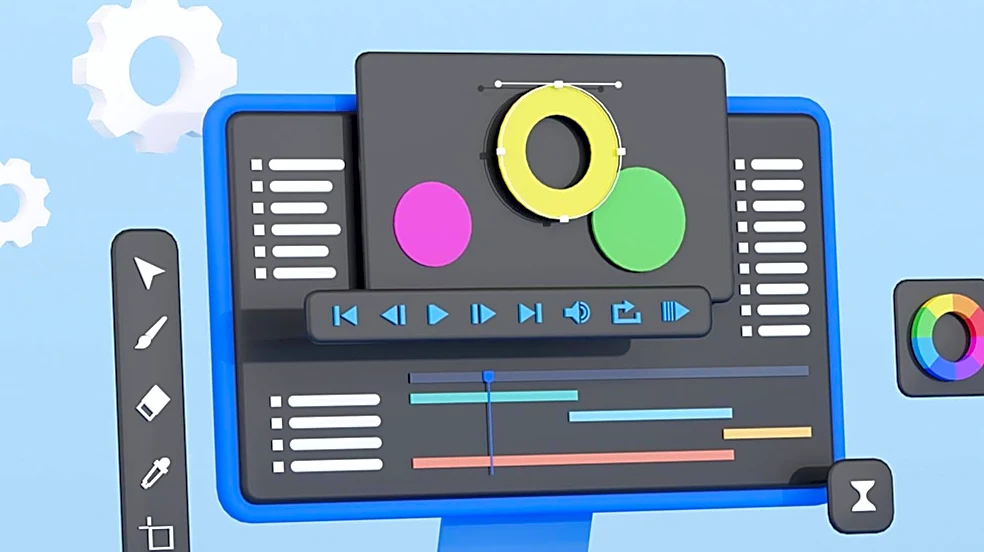
ArtCraft, the development team behind PhotoCraft, has launched PDFCraft, a new professional-grade PDF editor designed for Linux. This application is presented as an alternative to Adobe Acrobat, offering comprehensive PDF editing capabilities. PDFCraft allows
users to read, create, edit, organize, combine, split, secure, search, and add various elements like text fields, comments, and stamps to PDF documents. The software is built using Rust and utilizes AI for its development, making it available across Linux, FreeBSD, MacOS, and Windows platforms. A key feature highlighted is its non-destructive editing, ensuring the original document remains unaltered. The application is entirely local, free, and does not require an account or send telemetry data, emphasizing user privacy and control. Users can install PDFCraft via the Craft Launcher, which provides access to other ArtCraft applications.
Why It's Important?
The release of PDFCraft is significant for the Linux community, as it addresses a long-standing need for a robust and free professional PDF editing tool. Previously, Linux users often resorted to clunky workarounds or less comprehensive solutions for PDF manipulation. This new application provides a powerful, intuitive, and fast alternative that rivals the functionality of industry-standard software like Adobe Acrobat. The availability of a high-quality, free, and open-source PDF editor can enhance productivity for professionals and individuals using Linux, potentially reducing reliance on proprietary software and associated costs. Its local operation and lack of data collection also offer increased security and privacy, which is a growing concern for many users and businesses. This development could foster greater adoption of Linux in professional environments where advanced document editing is crucial.
What's Next?
The immediate next step for interested users is to download and install PDFCraft through the Craft Launcher, available on ArtCraft's official GitHub page. As the application gains traction, it will likely undergo further development and receive updates based on user feedback and emerging needs. The success of PDFCraft could also encourage other developers to create similar professional-grade tools for Linux, further enriching the open-source software ecosystem. Its intuitive design, which mirrors the user experience of Adobe Acrobat, suggests a smooth transition for users familiar with such tools. The continued availability of a free, powerful PDF editor could also influence how businesses and educational institutions manage their document workflows, potentially leading to a shift towards more open-source solutions.
Beyond the Headlines
The introduction of PDFCraft highlights a broader trend in the software industry: the increasing capability of open-source and free alternatives to challenge established proprietary software. By leveraging AI and modern programming languages like Rust, developers are creating sophisticated applications that offer comparable, if not superior, functionality without the associated costs or data privacy concerns. This shift empowers users with more control over their software and data, fostering a more democratic and secure digital environment. The 'no account, no telemetry, no cloud' approach of PDFCraft is particularly noteworthy, reflecting a growing demand for privacy-focused tools. This could set a precedent for future software development, encouraging a move away from data-hungry applications and towards solutions that prioritize user autonomy and local processing. The success of such projects could also inspire more developers to contribute to the open-source community, leading to a more diverse and innovative software landscape.