



What's Happening?
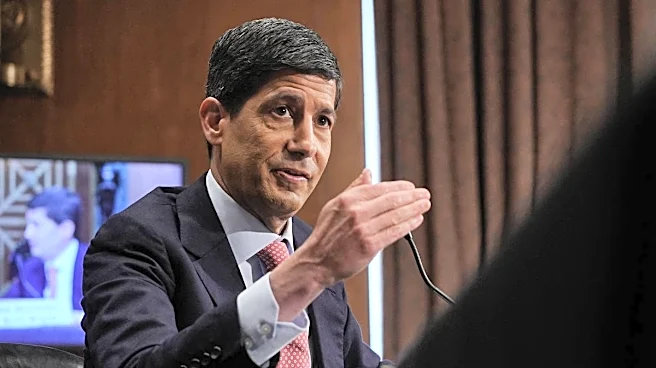
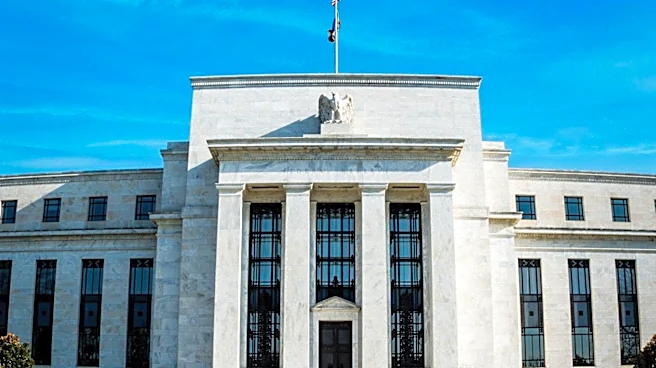
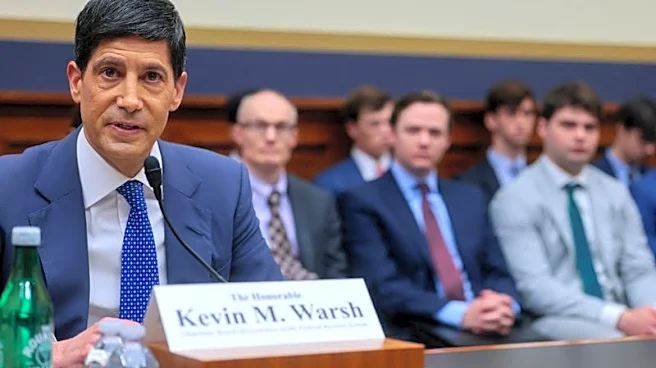
Peter Boockvar of One Point BFG Wealth Partners has indicated that the Federal Reserve is likely to maintain its current monetary policy stance due to geopolitical risks and rising long-term Treasury yields. These factors are seen as limiting the ability
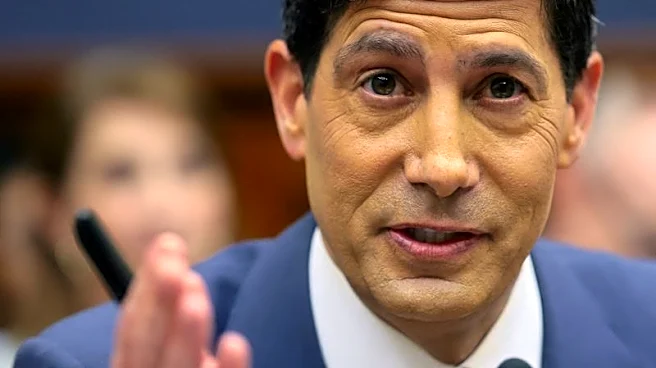
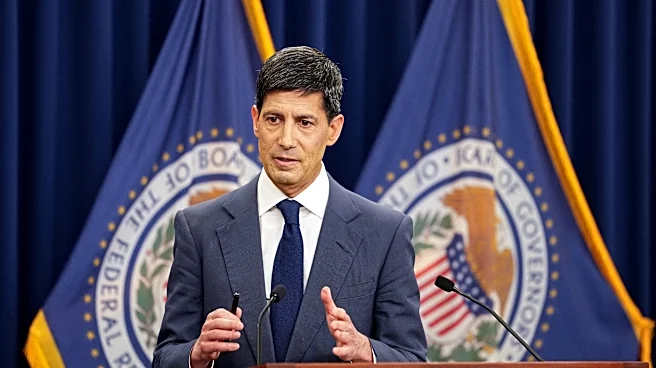
of Fed Chairman Kevin Warsh to adjust monetary policy. Boockvar highlights that the resurgence of bond vigilantes, who are concerned about fiscal policy, is contributing to the increase in Treasury yields. This situation is compounded by the need for Treasury financing and ongoing economic uncertainties, which are influencing the Fed's decision to hold its position.
Why It's Important?
The Federal Reserve's decision to hold its current policy has significant implications for the U.S. economy. By maintaining the status quo, the Fed aims to navigate the complex landscape of geopolitical tensions and fiscal policy challenges without exacerbating economic instability. This approach could impact various sectors, including finance and investment, as businesses and investors adjust to the sustained interest rate environment. The decision also reflects the Fed's cautious stance in response to external pressures, which could influence future economic growth and inflation rates.
What's Next?
As the Federal Reserve continues to monitor geopolitical developments and economic indicators, stakeholders will be closely watching for any shifts in policy. The ongoing uncertainty may prompt businesses and investors to adopt more conservative strategies, potentially affecting market dynamics. Additionally, the Fed's approach could influence fiscal policy decisions, as government leaders assess the implications of sustained interest rates on economic recovery efforts. Future Fed meetings and economic data releases will be critical in determining the trajectory of U.S. monetary policy.