



What's Happening?
Actress Martha Plimpton has publicly criticized 'Saturday Night Live' (SNL) executive producer Lorne Michaels, attributing recent controversies, specifically Shane Gillis's monologue, to a lack of women in decision-making roles within the show. Plimpton's
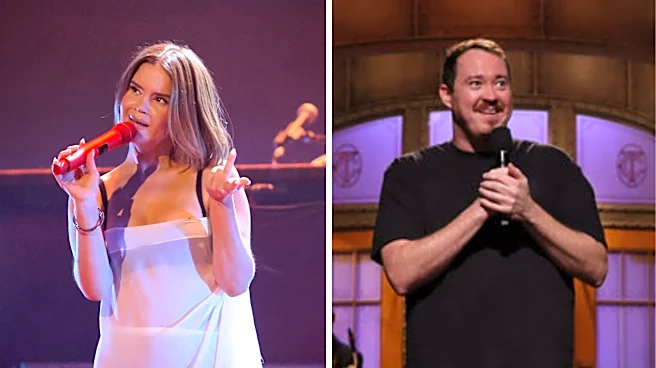
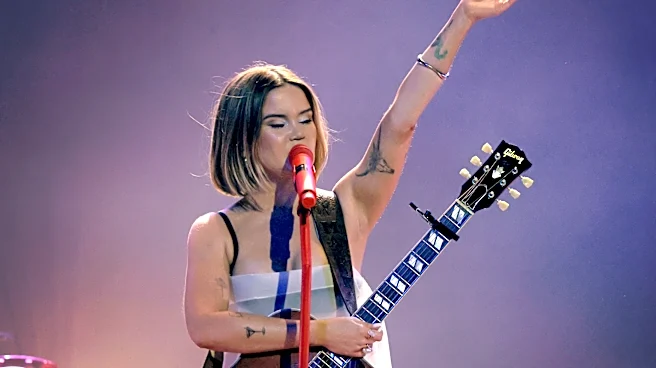
comments came in response to Gillis's third SNL hosting appearance on October 10, 2026, during which he made jokes about women at the gym dressing 'like whores.' This monologue sparked widespread criticism from various celebrities, including SNL alums Cecily Strong and Ego Nwodim, and musician Maren Morris. Gillis also used an uncensored expletive during a sketch and reportedly left the stage early during the goodnights segment.
Why It's Important?
Martha Plimpton's critique highlights a significant ongoing discussion within the entertainment industry regarding representation and gender equality, particularly in creative and leadership positions. Her assertion that a lack of 'women in the room making the decisions' contributes to problematic content underscores the belief that diverse perspectives are crucial for shaping responsible and inclusive humor. This incident reignites debates about the role of comedy in society, the boundaries of offensive content, and the accountability of major television institutions like SNL. The controversy also reflects broader cultural tensions surrounding misogyny and the objectification of women, demonstrating how entertainment can both reflect and influence societal norms. The involvement of various celebrities in condemning Gillis's remarks amplifies the call for greater sensitivity and diverse input in content creation.
What's Next?
The public criticism from Martha Plimpton and other notable figures may pressure 'Saturday Night Live' and its leadership, particularly Lorne Michaels, to re-evaluate their internal decision-making processes and potentially increase female representation in key creative roles. This incident could lead to internal discussions about content vetting, writer diversity, and the overall editorial direction of the show. While immediate changes are not guaranteed, the sustained public discourse around such controversies often prompts organizations to address perceived shortcomings to maintain their reputation and audience trust. Future SNL episodes and casting choices will likely be scrutinized more closely for their adherence to inclusive and respectful content standards.
Beyond the Headlines
Beyond the immediate controversy, Plimpton's comments tap into a deeper systemic issue within Hollywood and media production: the persistent gender gap in leadership and creative roles. The argument that more diverse voices lead to more nuanced and less offensive content is a cornerstone of modern diversity and inclusion efforts. This situation could serve as a catalyst for broader industry conversations about how to genuinely empower women and other underrepresented groups in positions of influence, moving beyond tokenism to fundamental structural changes. The incident also raises questions about the responsibility of comedians and platforms to their audience, especially in an era where social media amplifies both content and criticism, potentially reshaping the landscape of mainstream comedy.