




What's Happening?
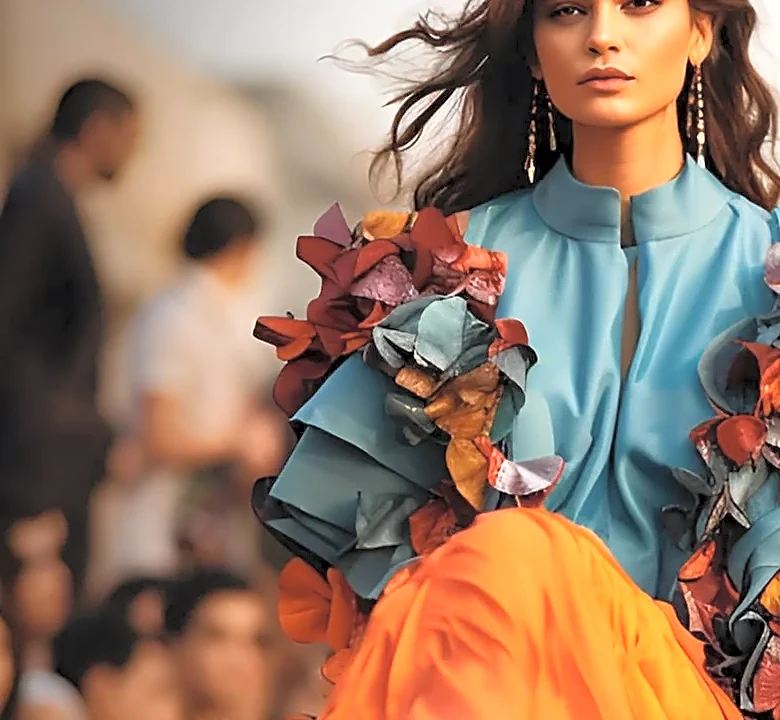
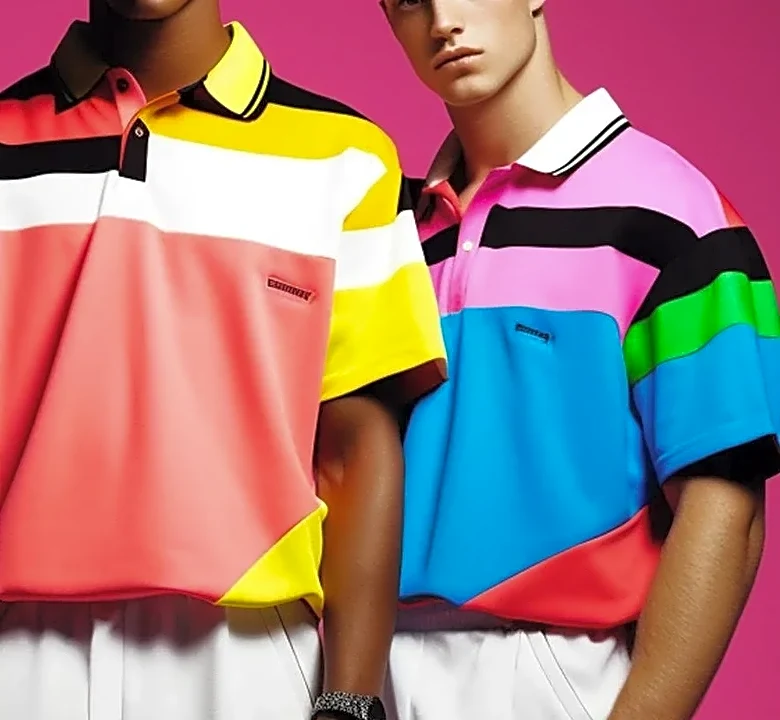
Roberto Cavalli, the Italian fashion brand, is expanding its presence beyond traditional apparel into luxury real estate and fragrances. The brand is known for its contemporary fashion line, Just Cavalli, which serves as a diffusion line of the main brand.
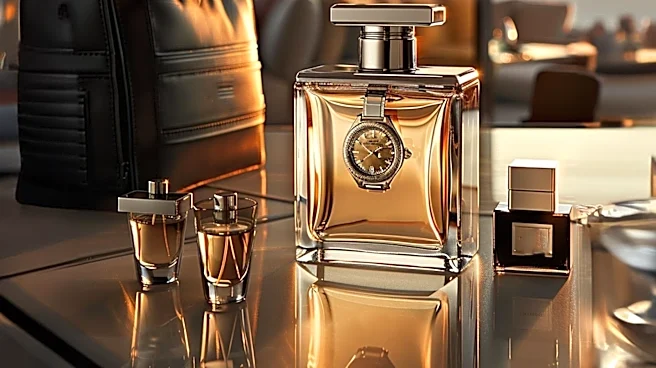
In the real estate sector, Roberto Cavalli is associated with properties such as the 1-bedroom residence at DAMAC Bay 2 by Cavalli in Dubai Harbour. These residences are characterized by premium finishes and access to high-end amenities. Concurrently, the brand maintains a significant presence in the fragrance market, offering products like Paradiso Assoluto for women. The brand's popularity in the fashion market, particularly in regions like Qatar, indicates its broad appeal and successful diversification strategy. This expansion reflects a trend among luxury fashion houses to leverage brand recognition across various lifestyle segments, offering consumers a more comprehensive brand experience.
Why It's Important?
The expansion of the Roberto Cavalli brand into luxury real estate and fragrances signifies a strategic move to diversify revenue streams and enhance brand equity beyond its core fashion offerings. For the U.S. market, this trend indicates a growing convergence of luxury sectors, where consumers are increasingly seeking integrated lifestyle experiences rather than isolated product purchases. U.S. real estate developers and luxury retailers may observe this model as a potential blueprint for collaboration with high-end fashion brands, aiming to attract affluent buyers and consumers who value brand prestige and exclusive amenities. This diversification can also impact the competitive landscape within the luxury market, potentially increasing competition for established players in real estate and fragrance by introducing a strong, recognized brand with a distinct aesthetic. The success of such ventures could influence investment patterns and marketing strategies across the U.S. luxury industry, encouraging similar cross-sector partnerships.
What's Next?
The Roberto Cavalli brand is likely to continue its expansion in both the luxury real estate and fragrance sectors, potentially exploring new markets and product lines. Future developments could include additional residential projects in other high-value locations, possibly extending into the U.S. market, or the introduction of new fragrance collections and beauty products. The brand may also seek further collaborations with developers and retailers to broaden its reach and solidify its position as a comprehensive luxury lifestyle provider. Competitors in the luxury market, both in fashion and related industries, will likely monitor Cavalli's performance in these new ventures. Their success could prompt other luxury brands to adopt similar diversification strategies, leading to a more integrated and competitive luxury market landscape globally and within the U.S. The brand's continued focus on premium finishes and world-class amenities in its real estate offerings suggests a commitment to maintaining its high-end image.
Beyond the Headlines
The strategic diversification by Roberto Cavalli into real estate and fragrances highlights a broader evolution within the luxury industry, moving from product-centric models to experience-driven ecosystems. This shift reflects changing consumer preferences, particularly among affluent demographics, who increasingly value lifestyle and brand immersion over individual luxury items. The ethical implications of such expansions include questions of brand authenticity and the potential dilution of a brand's core identity if not managed carefully. Legally, these ventures involve complex intellectual property agreements and licensing arrangements, especially when partnering with external developers or manufacturers. Culturally, the integration of fashion into residential spaces and personal care products blurs traditional boundaries, creating a more holistic luxury experience. This trend could lead to a future where luxury brands are not just purveyors of goods but curators of entire lifestyles, influencing design, aesthetics, and consumer aspirations across multiple domains.