





What's Happening?
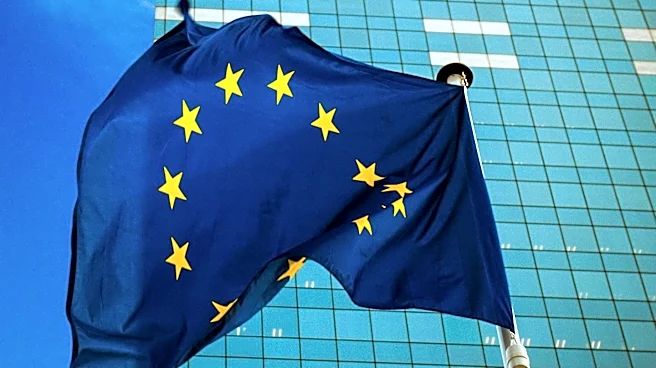
On November 20, 2026, Indonesia's Coordinating Minister for Economic Affairs, Airlangga Hartarto, met with European Commissioner for Trade and Economic Security, Maroš Šefčovič, in Brussels. The meeting focused on finalizing preparations for the signing
and accelerated implementation of the Indonesia-European Union Comprehensive Economic Partnership Agreement (IEU-CEPA). The agreement is scheduled to be signed on November 21, 2026. According to Hartarto, the IEU-CEPA holds significant strategic value for Indonesia's national economy by providing broader market access to the European Union, a region with approximately 450 million people and an annual bilateral trade value of around USD 30 billion. The IEU-CEPA is designed to liberalize over 98% of bilateral trade, with 90.4% of Indonesian product tariffs set to be reduced to zero percent immediately upon implementation. The Indonesian government is also pushing for both parties to prepare for the agreement's implementation to ensure businesses and industries can quickly benefit.
Why It's Important?
The IEU-CEPA is poised to significantly enhance the competitiveness of Indonesian products in the European market, thereby expanding export opportunities and attracting quality investment into Indonesia. For the U.S., this agreement could indirectly influence trade dynamics and investment flows in Southeast Asia. As Indonesia strengthens its economic ties with the EU, it might lead to shifts in global supply chains and market access strategies for U.S. companies operating in or with interests in the region. Increased trade between Indonesia and the EU could also set new precedents for trade agreements, potentially influencing future U.S. trade negotiations or partnerships in the Indo-Pacific. U.S. businesses with operations in Indonesia or those competing with Indonesian exports in the EU market will need to monitor the implications of these tariff reductions and market access changes.
What's Next?
The IEU-CEPA is slated for signing on November 21, 2026, in Brussels. Following the signing, the Indonesian government and the EU aim for a provisional application of the agreement to begin in early 2027. This provisional application will run concurrently with the ratification process and the completion of domestic legal procedures in both Indonesia and the EU. Indonesian Minister of Trade Budi Santoso is expected to sign the IEU-CEPA, while Airlangga Hartarto will sign the Indonesia-European Union Investment Protection Agreement (IEU-IPA) with the EU. Both parties will also focus on optimizing the IEU-CEPA's institutional mechanisms, including establishing various technical committees and subcommittees to support its execution. This accelerated implementation is crucial for maintaining preferential access for Indonesian products in the European market and providing certainty for businesses.
Beyond the Headlines
The IEU-CEPA represents a broader trend of nations seeking to diversify and strengthen their trade relationships amidst evolving global economic landscapes. For Indonesia, securing preferential access to a major market like the EU is a strategic move to bolster its economic resilience and reduce reliance on traditional trade partners. This agreement also highlights the EU's continued engagement in Southeast Asia, signaling its commitment to expanding its economic influence beyond its immediate geographical vicinity. The emphasis on both trade liberalization and investment protection underscores a comprehensive approach to economic partnership, aiming to foster long-term growth and stability. The success of this agreement could serve as a model for other developing economies seeking to forge deeper trade ties with major economic blocs, potentially reshaping global trade patterns and alliances.