



What's Happening?
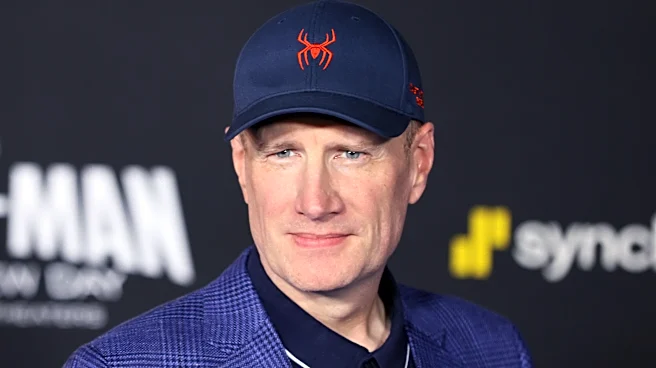
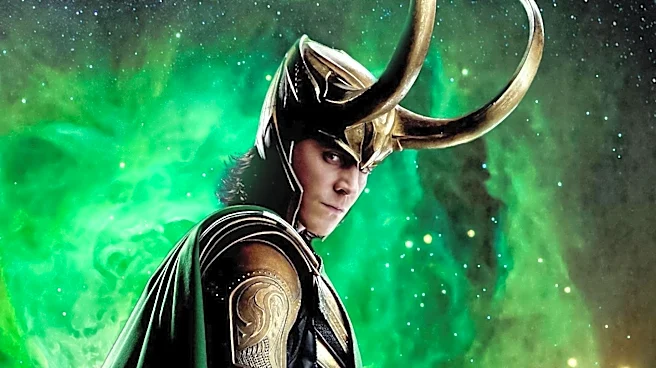
Marvel Studios president Kevin Feige and co-president Louis D'Esposito contacted actor Tom Hiddleston to confirm Loki's indispensable role in the upcoming film 'Avengers: Doomsday'. According to Hiddleston, Feige and D'Esposito emphasized that the Marvel Cinematic
Universe (MCU) could not proceed with its multiverse storyline without the character of Loki. This decision stems from Loki's evolution within the MCU, particularly his transformation by the end of 'Loki' Season 2, where he assumes the role of the 'God of Stories' and becomes responsible for holding together the branching timelines at the End of Time. His position is now central to the stability of the multiverse, making his involvement critical for any narrative exploring multiversal themes. The character, who began as a villain, has become a pivotal figure in preventing the MCU's multiverse from collapsing, a journey that began with his actions fracturing the multiverse in the first season of 'Loki' and culminating in his current role as its guardian.
Why It's Important?
Loki's confirmed central role in 'Avengers: Doomsday' signifies a major strategic decision for Marvel Studios, underscoring the character's elevated importance within the overarching Multiverse Saga. This move ensures narrative continuity and leverages the character's significant development from a trickster god to a cosmic guardian, which resonates deeply with the fanbase. For the MCU, it means that a key character, whose journey has been meticulously built over years, will be integral to resolving the multiversal conflicts that have been set up. This decision also impacts audience engagement, as Loki's popularity and complex character arc provide a strong anchor for the intricate multiverse plot. His presence is expected to draw significant interest, potentially boosting box office performance and critical reception for 'Avengers: Doomsday' as Marvel heads towards the conclusion of its Multiverse Saga with 'Avengers: Secret Wars' in 2027. The character's evolution also reflects Marvel's commitment to long-form storytelling and character development.
What's Next?
With Loki's essential role confirmed, the immediate next step for Marvel Studios will involve integrating his character arc seamlessly into the narrative of 'Avengers: Doomsday', which is scheduled to hit theaters on December 18, 2026. Fans can anticipate further details regarding how Loki's position as the 'God of Stories' and guardian of the timelines will directly influence the events of the film. His appearance in the recent Encore re-release of 'Avengers: Endgame', where he approaches Steve Rogers and Peggy Carter, also hints at potential future interactions and influences on past events, raising questions about his activities since taking his place at the End of Time. The larger implication is how Loki's role will set the stage for 'Avengers: Secret Wars' in 2027, which is expected to bring the sprawling multiverse storyline to its conclusion. The key question remains whether Loki will maintain his role as timeline guardian or be forced to abandon his throne as multiversal events escalate.
Beyond the Headlines
Loki's transformation from a primary antagonist to the linchpin of the multiverse saga represents a significant narrative shift within the superhero genre, highlighting themes of redemption, responsibility, and the burden of cosmic power. This evolution challenges traditional hero-villain archetypes, offering a more nuanced portrayal of character development. Ethically, Loki's new role as the keeper of timelines raises profound questions about free will versus predetermined fate, and the moral implications of controlling reality itself. His journey from self-serving mischief to self-sacrificing guardianship reflects a deeper exploration of identity and purpose within the MCU. Culturally, Loki's enduring popularity and complex portrayal have resonated with audiences, demonstrating a demand for characters with intricate moral compasses and transformative arcs. This development could influence future superhero narratives, encouraging more complex character journeys rather than static good-versus-evil dynamics, and further solidifying the MCU's reputation for ambitious, long-form storytelling.