







What's Happening?
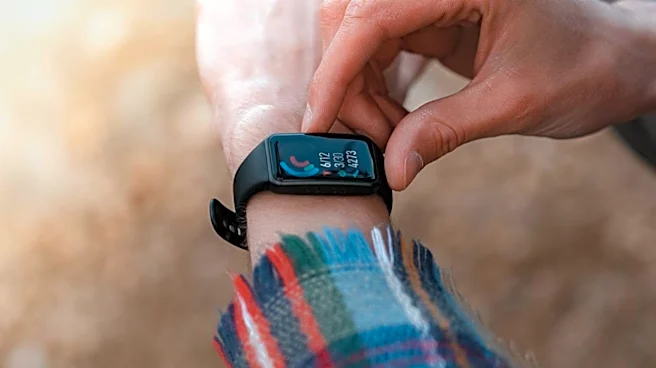
Most fitness trackers and smartwatches do not directly measure core body temperature, which is the temperature of internal organs and tissues. Instead, these wearable devices typically track skin temperature or use a combination of physiological signals
and algorithms to estimate temperature-related changes over time. This distinction is crucial because skin temperature responds quickly to external factors like weather, sweat, and clothing, while core body temperature is more tightly regulated and changes gradually. While traditional methods like oral, ear, rectal, and esophageal thermometers, or ingestible sensors, provide more direct measurements of core temperature, they often lack the convenience for continuous, everyday monitoring. Wearables excel in providing continuous data, allowing users to observe patterns and trends related to their body temperature during activities like exercise, sleep, and recovery, rather than offering a single, precise core temperature reading.
Why It's Important?
Understanding the capabilities and limitations of fitness trackers in temperature measurement is important for consumers and health-conscious individuals. Misinterpreting skin temperature data as core body temperature could lead to inaccurate self-assessment of health conditions, especially concerning fevers or heat stress. For athletes and fitness enthusiasts, continuous temperature trend tracking from wearables can provide valuable context for training, recovery, and sleep patterns. It helps in identifying how the body responds to different training loads, environmental conditions, and recovery periods. This data, when combined with other metrics like heart rate and sleep quality, can offer a more holistic view of an individual's physiological state, aiding in optimizing performance and preventing overtraining. However, for clinical diagnoses or monitoring serious health conditions, medical-grade thermometers remain the appropriate tool, as wearables are generally not validated for such medical uses.
What's Next?
As technology advances, future iterations of wearables may incorporate more sophisticated sensors and algorithms to improve the accuracy of temperature-related estimations. Manufacturers are likely to continue refining their devices to provide more meaningful physiological insights, potentially moving closer to estimating core body temperature with greater precision, though direct measurement remains a challenge for non-invasive devices. Consumers can expect clearer communication from manufacturers regarding what their devices actually measure, helping to manage expectations and ensure appropriate use. The integration of temperature data with other health metrics will likely become more seamless, offering users a comprehensive dashboard of their well-being. Additionally, research into the application of wearable temperature data in personalized health and fitness recommendations is expected to grow, further enhancing the utility of these devices.
Beyond the Headlines
The distinction between skin and core body temperature measurement in wearables highlights a broader challenge in consumer health technology: balancing convenience with clinical accuracy. While wearables offer unprecedented access to continuous physiological data, their interpretation requires an understanding of what is being measured and its limitations. This raises ethical considerations regarding data privacy and the potential for misinterpretation of health data by individuals without medical expertise. The trend towards personalized health insights, driven by wearable technology, also underscores the importance of establishing individual baselines rather than relying on generalized 'normal' values. This shift empowers individuals to understand their unique physiological responses, fostering a more proactive approach to health and wellness, but also necessitates critical evaluation of the data's source and context.