







What's Happening?
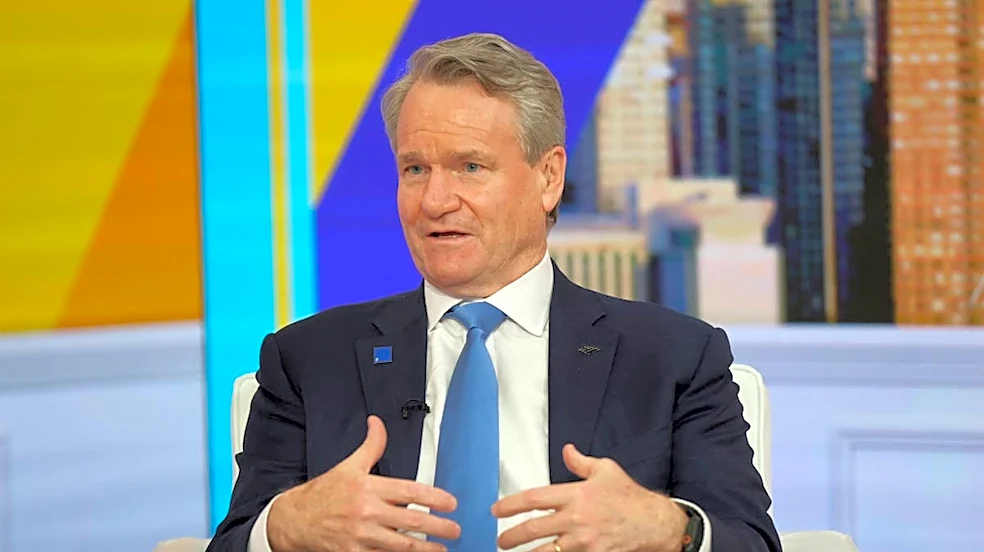
Bank of America CEO Brian Moynihan has publicly stated that human authorization should be a mandatory step for any financial transactions initiated by artificial intelligence agents. This stance comes as major financial institutions, including Citi, JPMorgan
Chase, and Charles Schwab, are implementing restrictions on third-party AI agents accessing customer accounts and executing transactions. Moynihan emphasized the need for a 'human in the loop' to prevent confusion over unauthorized transfers and to address liability concerns if automated transactions go awry. The banking industry is grappling with the implications of AI assistants that could potentially move customer funds without explicit human oversight, raising questions about security, customer control, and accountability. These restrictions are a direct response to the increasing proliferation of AI assistants like Meta's Muse, xAI's Grok, and OpenAI's Dots and Instinct, which aim to perform tasks on behalf of users.
Why It's Important?
The banking sector's move to restrict AI agents from independently executing financial transactions highlights a critical debate about the future of automated finance and consumer protection. This development is significant because it establishes a precedent for how financial institutions intend to manage the risks associated with rapidly evolving AI technology. By requiring human authorization, banks aim to mitigate potential security breaches, fraudulent activities, and disputes over liability for AI-initiated errors. This approach also reflects concerns that AI assistants could facilitate the rapid movement of billions of dollars from low-yielding deposits to higher-return accounts, potentially impacting banks' deposit bases. The decisions made by major banks like Bank of America will likely influence regulatory frameworks and industry standards for AI integration in financial services, shaping how consumers interact with their money in an increasingly automated world.
What's Next?
The ongoing debate between financial institutions and AI developers regarding access and authorization for AI agents is expected to intensify. Banks will likely continue to refine their policies and technological safeguards to prevent unauthorized AI access while exploring secure ways to integrate beneficial AI functionalities. AI companies, in turn, may seek to establish more formal partnerships and agreements with financial institutions to gain authorized access and build trust. Regulators will also be closely monitoring these developments, potentially introducing new guidelines or legislation to address the legal and ethical implications of AI in finance, particularly concerning consumer consent, data privacy, and liability. The industry may see the development of standardized protocols for AI agent authentication and transaction approval, ensuring a balance between innovation and security.
Beyond the Headlines
The push for human authorization in AI-driven financial transactions extends beyond immediate security concerns, touching upon deeper ethical and philosophical questions about autonomy and control in the digital age. It underscores a fundamental tension between the desire for convenience offered by AI automation and the imperative to maintain human oversight in critical financial decisions. This development could lead to a re-evaluation of what constitutes 'authorization' in a world where AI agents act on behalf of individuals. Furthermore, it highlights the potential for a power struggle between tech companies aiming for seamless integration and financial institutions prioritizing security and control. The outcome of this ongoing negotiation will not only shape the future of banking but also influence broader societal norms regarding the delegation of sensitive tasks to artificial intelligence.