





What's Happening?
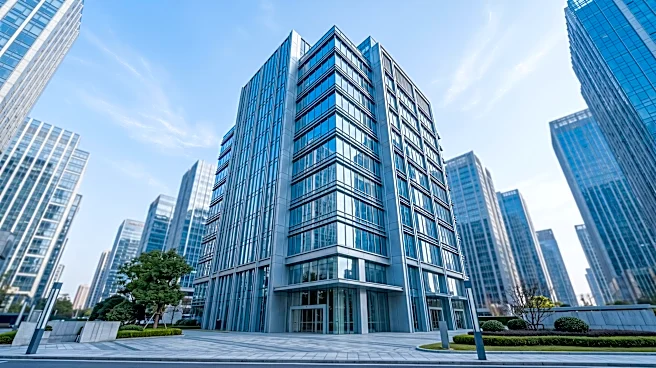
FM Global, a global insurance company, is relocating its headquarters from Johnston, Rhode Island, to downtown Providence by the end of 2027. The company purchased a 10-story office tower in Providence for $69 million in February to serve as its primary
location for corporate functions. In conjunction with this move, FM Global is also sending an unspecified number of its local workforce to Massachusetts, utilizing facilities in Norwood and Boston. The company confirmed that a "limited number" of workers will be laid off as part of this transition. According to internal company updates, approximately 100 employees have already moved to Norwood over the past year, with another 150 employees across various departments notified this week that they must relocate to Norwood by the end of next year or face job loss. Severance packages and relocation benefits have not been offered to these employees. The company's redeveloped 17-acre campus in Norwood, including a 320,000-square-foot global training center, was completed earlier this year.
Why It's Important?
This relocation and workforce restructuring by FM Global carries significant implications for both Rhode Island and Massachusetts. For Rhode Island, the departure of a major employer from Johnston, coupled with layoffs and transfers to Massachusetts, represents a substantial economic blow. Johnston Mayor Joseph Polisena Jr. expressed concern over the loss of a local workforce and the potential impact on the town's tax revenue, as FM Global contributes approximately $3 million in property and tangible taxes, accounting for 2% of its annual budget. For Massachusetts, this move signifies an expansion of its corporate presence, particularly in Norwood and Boston, potentially bringing new jobs and economic activity. The situation also raises questions about corporate responsibility and transparency, as employees were reportedly not informed of the headquarters abandonment or workforce reduction plans until a global town hall meeting. The lack of severance or relocation benefits for affected employees is a point of contention, highlighting the human cost of corporate restructuring.
What's Next?
FM Global plans to complete its headquarters relocation to downtown Providence by the end of 2027. The specific timing for individual employee moves to Massachusetts is still being determined, and the company has stated it will communicate directly with employees as plans progress. The company's new Providence headquarters will house corporate functions such as finance, legal, and human resources. The redeveloped Norwood campus will serve as a global training center, accommodating a portion of the workforce transferred from Rhode Island. The situation in Johnston will likely involve the town grappling with the loss of tax revenue and the economic impact of job displacement. Federal law requires employers with over 100 full-time employees to provide 60 days' notice for mass layoffs or facility closings, but FM Global has not submitted such notices, leading to speculation that workforce reductions were kept below the threshold to avoid this requirement.
Beyond the Headlines
The FM Global relocation underscores a broader trend of corporate mobility and its impact on local economies and workforces. Companies often make strategic decisions based on operational efficiency, access to talent, and favorable business environments, which can lead to significant shifts in regional economic landscapes. This event highlights the delicate balance between corporate growth strategies and community welfare. The lack of prior communication to employees and the absence of severance or relocation benefits for those affected raise ethical questions about corporate transparency and employee support during major transitions. It also brings into focus the competitive nature of state-level economic development, as states vie for corporate presence through incentives and infrastructure. The incident could prompt local governments to re-evaluate their strategies for retaining major employers and supporting their workforces during periods of corporate change.