



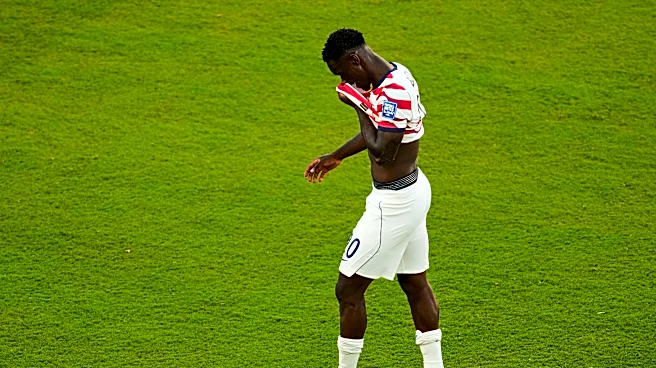



What's Happening?
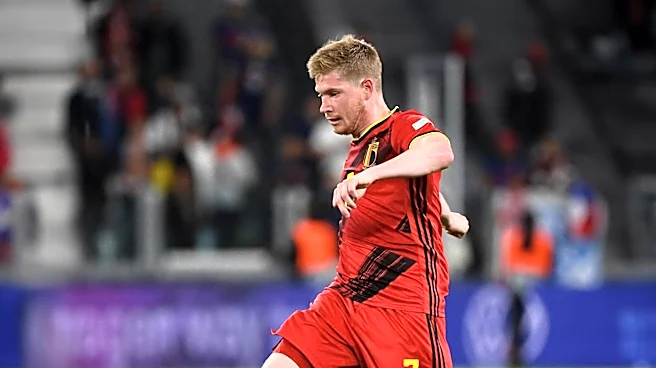
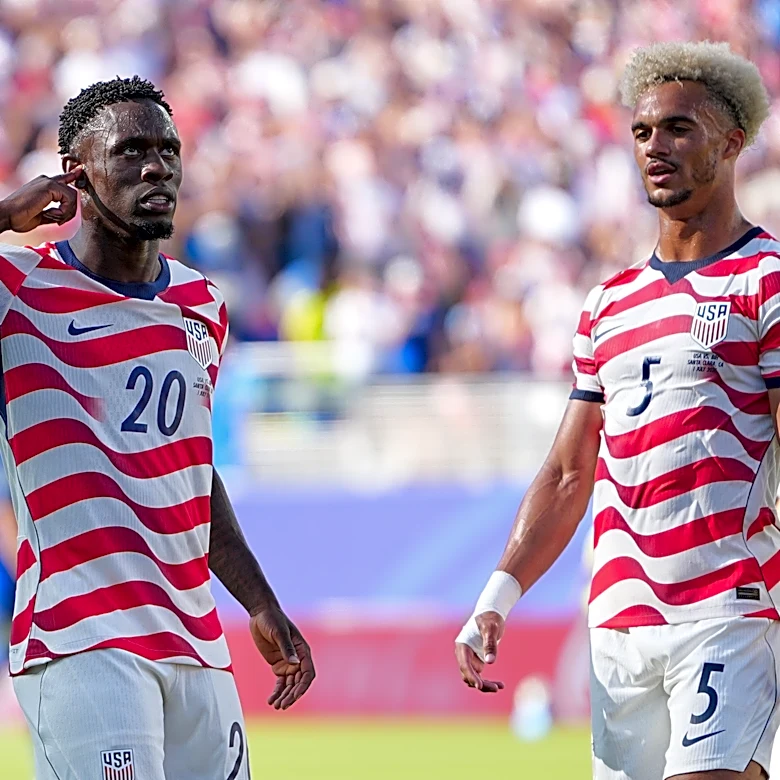
The Royal Belgian Football Association (RBFA) has expressed astonishment at FIFA's decision to allow U.S. striker Folarin Balogun to play in the upcoming World Cup match against Belgium, despite a previous red card suspension. FIFA's ruling, based on Article
27 of the FIFA Disciplinary Code, suspends Balogun's suspension, allowing him to participate in the match. Belgium, set to face the U.S. in the Round of 16, is contesting this decision, citing Article 66.4, which mandates an automatic suspension for a red card. The RBFA is investigating potential options to address what they perceive as a breach of fair play principles.
Why It's Important?
This development highlights the complexities and controversies surrounding disciplinary decisions in international sports. FIFA's reversal of Balogun's suspension could set a precedent for future cases, impacting how disciplinary actions are enforced. For Belgium, the decision affects their strategic preparations for the match, potentially altering the competitive balance. The situation underscores the importance of clear and consistent application of rules in maintaining fairness and integrity in sports. The RBFA's response reflects broader concerns about governance and decision-making within FIFA, which could influence future policy discussions and reforms.
What's Next?
Belgium is exploring all potential options to challenge FIFA's decision, though it remains uncertain what actions they might take. The outcome of this dispute could influence future interpretations of FIFA's disciplinary code and the handling of similar cases. As the World Cup progresses, the situation may prompt discussions among participating nations about the need for clearer guidelines and more transparent decision-making processes. The RBFA's actions could also lead to broader debates about the role of governing bodies in ensuring fair play and the protection of teams' rights in international competitions.