


What's Happening?
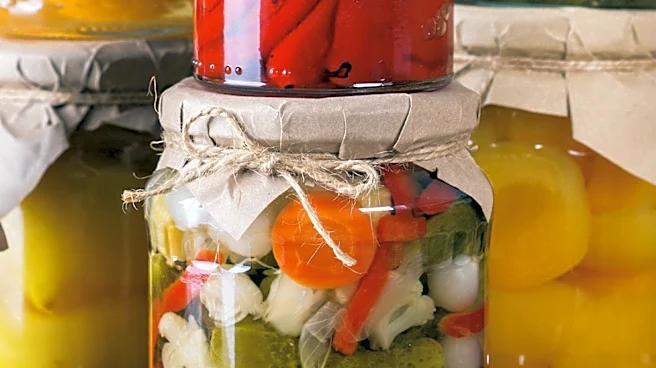
The Lost SuperFoods is a publication that delves into historical food preparation and preservation methods, offering insights into building a low-tech pantry and homesteading techniques. The book categorizes ingredients by their availability, ranging
from common grocery store items to seasonal foraging goods and specialty preserved items. It provides detailed lists of ingredients such as amaranth, millet, dried seaweed, powdered algae like spirulina, dried berries, rendered fats, and dehydrated meats. These ingredients are classified as plants, seeds, marine algae, animal products, or processed pantry goods. The publication also includes historical context for its recipes and preservation methods, referencing periods like the Great Depression, the Cold War, and the Siege of Leningrad, where similar food practices were documented. Additionally, it offers recommendations for household substitutions and equivalents for many entries, along with checklists and shopping lists organized by recipe types and preservation techniques, specifying quantities and exact item names for sourcing.
Why It's Important?
This publication is important for individuals interested in self-reliant living, homesteading, and practical culinary projects, particularly those focused on long-term food storage and rotation. By detailing historical preservation techniques and ingredient sourcing, 'The Lost SuperFoods' provides valuable knowledge for building resilient food systems, which can be crucial during economic uncertainties or emergencies. The emphasis on both common and less common ingredients, along with preservation methods, empowers readers to diversify their food sources and reduce reliance on conventional supply chains. The historical context also highlights the enduring relevance of these practices, demonstrating how communities have sustained themselves through challenging times. This knowledge can foster greater food security and self-sufficiency at a household level, appealing to a broad audience from novice DIYers to experienced homesteaders.
What's Next?
Readers of 'The Lost SuperFoods' are likely to apply the detailed instructions and ingredient lists to begin or enhance their own food preservation efforts. This could involve experimenting with various drying, rendering, and canning techniques for different food types. The book's guidance on sourcing and classification of ingredients will enable individuals to make informed choices about what to store and how to prepare it. Furthermore, the inclusion of shopping lists and equipment recommendations will facilitate the practical implementation of these methods. The focus on historical context may also inspire further research into traditional foodways and their adaptation to modern needs, potentially leading to a resurgence of interest in forgotten culinary arts and sustainable living practices within communities.
Beyond the Headlines
Beyond the immediate practical applications, 'The Lost SuperFoods' taps into a broader cultural movement towards resilience and preparedness. In an era marked by increasing concerns about supply chain vulnerabilities, climate change impacts on agriculture, and economic instability, the ability to preserve food and build a self-sufficient pantry becomes a critical skill. The book's historical references underscore the cyclical nature of human challenges and the timeless value of traditional knowledge. It encourages a deeper connection to food sources and a more mindful approach to consumption, moving away from a disposable culture towards one of resourcefulness and sustainability. This shift can have long-term implications for local economies, promoting small-scale farming and artisanal food production, and fostering a greater appreciation for the origins and processes of our food.