






What's Happening?
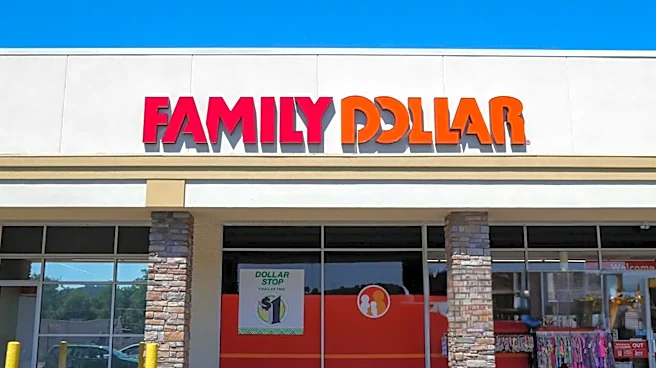
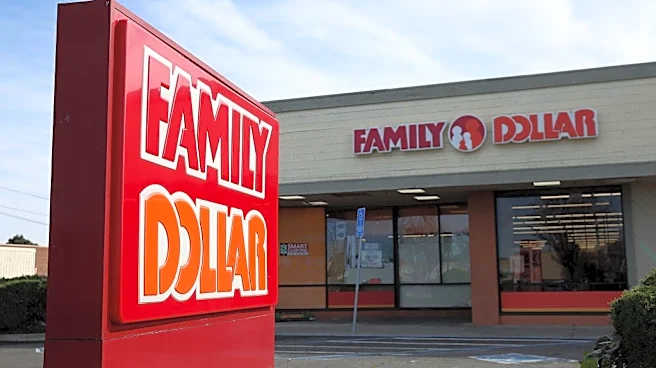
Family Dollar has agreed to a $63 million settlement to resolve allegations that customers were consistently charged higher prices at the register than what was displayed on the shelves. This settlement addresses claims of widespread pricing discrepancies
within the retail chain. The issue centers on the difference between the advertised price of products and the actual price customers paid at the point of sale. This practice, if proven, would mean consumers were unknowingly overcharged for their purchases. The agreement aims to compensate affected customers and rectify the pricing issues that led to the allegations. The details of how the settlement funds will be distributed to consumers have not been fully disclosed in the provided information, but the substantial amount indicates a significant acknowledgment of the alleged overcharging.
Why It's Important?
This $63 million settlement is significant for several reasons, primarily impacting consumer trust and retail pricing practices across the U.S. For consumers, it underscores the importance of vigilance when shopping, highlighting that advertised prices may not always match the final charge. This case could encourage more shoppers to scrutinize their receipts, potentially leading to increased complaints and scrutiny of other retailers. For the retail industry, particularly discount chains like Family Dollar, the settlement serves as a stark warning about the legal and financial consequences of inaccurate pricing. It emphasizes the need for robust internal controls and regular audits to ensure price integrity. Companies that fail to maintain accurate pricing risk not only substantial financial penalties but also severe damage to their brand reputation and customer loyalty. This outcome could prompt other retailers to proactively review their pricing systems to avoid similar legal challenges and maintain consumer confidence.
What's Next?
Following the settlement, Family Dollar will likely implement stricter protocols and enhanced technological solutions to ensure price accuracy across its stores. This could involve more frequent price audits, improved inventory management systems, and better training for employees regarding pricing procedures. The company will also need to manage the distribution of the settlement funds, which typically involves a claims process for affected consumers. This process will likely be overseen by a court-appointed administrator to ensure fairness and transparency. For consumers, the immediate next step would be to look out for announcements regarding how to claim their portion of the settlement. This case may also lead to increased regulatory oversight of pricing practices in the retail sector, with consumer protection agencies potentially stepping up investigations into similar allegations against other large retailers.
Beyond the Headlines
The Family Dollar settlement highlights a broader issue within the retail sector concerning pricing transparency and consumer protection, particularly affecting lower-income communities where discount stores are prevalent. These communities often rely on such stores for essential goods, making them particularly vulnerable to pricing discrepancies. The ethical implications of charging more at the register than advertised on the shelf are profound, as it erodes trust and can disproportionately impact those with limited financial resources. This case could spark a wider conversation about the responsibility of retailers to ensure fair pricing and the need for more stringent enforcement mechanisms to protect consumers. It also underscores the power of collective action and legal challenges in holding large corporations accountable for their business practices, potentially leading to long-term shifts in how retailers manage and display their pricing information.