





What's Happening?
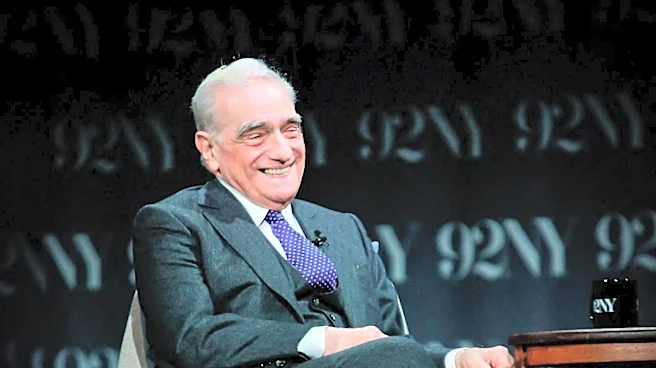
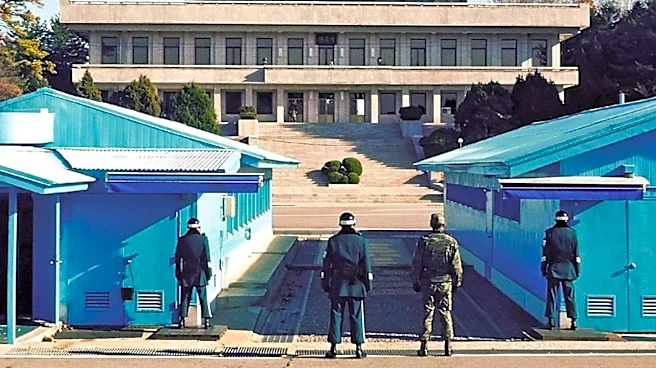
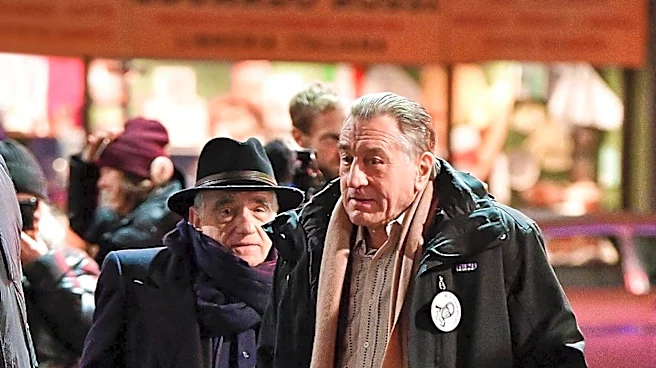
Filmmaker Martin Scorsese has stated that his planned 'Cleopatra' movie, which was set to star Angelina Jolie, was canceled due to the 2014 Sony Pictures hack. According to Scorsese, the hack, which was attributed to North Korea in retaliation for Seth
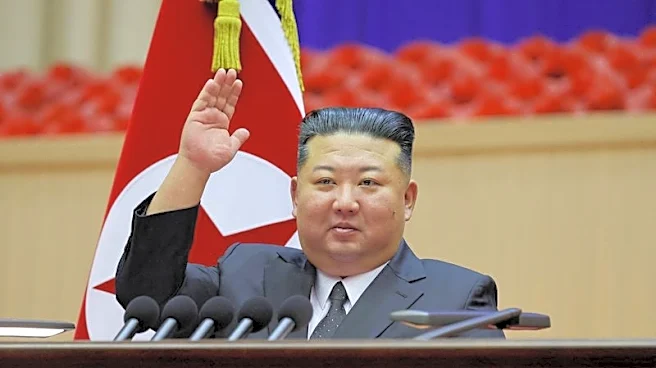
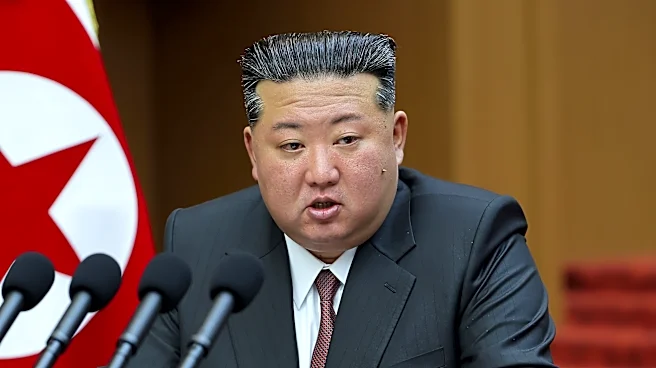
Rogen's film 'The Interview,' directly impacted his project. Scorsese made these comments in a video for the Tribeca Film Festival's YouTube page, where he discussed films he wished he had made. He specifically linked the cancellation of 'Cleopatra' to the fallout from 'The Interview,' which depicted a fictional assassination plot against North Korean leader Kim Jong Un. The Sony hack resulted in significant data breaches and disruptions for the studio, leading to various project cancellations and delays.
Why It's Important?
This revelation highlights the far-reaching and unexpected consequences of cyberattacks on the entertainment industry and creative projects. The Sony Pictures hack, a major cybersecurity incident, not only caused financial and reputational damage to the studio but also had a direct impact on artistic endeavors, such as Scorsese's 'Cleopatra.' It underscores how geopolitical tensions and digital security breaches can intersect with and disrupt the film production landscape. For filmmakers and studios, this incident serves as a stark reminder of the vulnerabilities within the industry and the potential for external events to derail high-profile projects, affecting creative visions and significant investments. The incident also brings into focus the delicate balance between artistic freedom and potential international repercussions.
What's Next?
While Scorsese's 'Cleopatra' project is unlikely to be revived in its original form, this disclosure could prompt further discussions within the film industry regarding cybersecurity measures and risk assessment for major productions. Studios may continue to invest more heavily in protecting their digital assets and intellectual property from similar attacks. The incident also adds to the ongoing conversation about the impact of political sensitivities on creative content, particularly when films touch upon international relations or controversial figures. Future projects that might be perceived as politically provocative could face increased scrutiny regarding their potential for backlash, both digital and otherwise.
Beyond the Headlines
The cancellation of Scorsese's 'Cleopatra' due to a cyberattack linked to another film raises deeper questions about the evolving landscape of artistic production in the digital age. It illustrates how the interconnectedness of global events, technology, and media can create unforeseen obstacles for creative expression. This situation also touches upon the concept of 'soft power' and how cultural products, like films, can inadvertently become targets or tools in international disputes. The incident underscores the vulnerability of even established artists and major studios to external pressures, highlighting a shift where digital threats can have tangible, real-world consequences on cultural output and the realization of artistic visions.