


What's Happening?
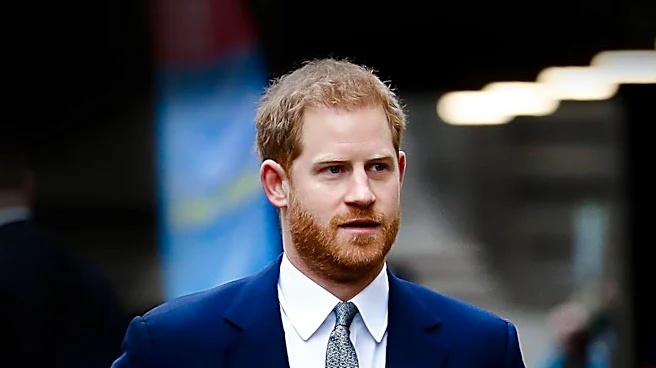
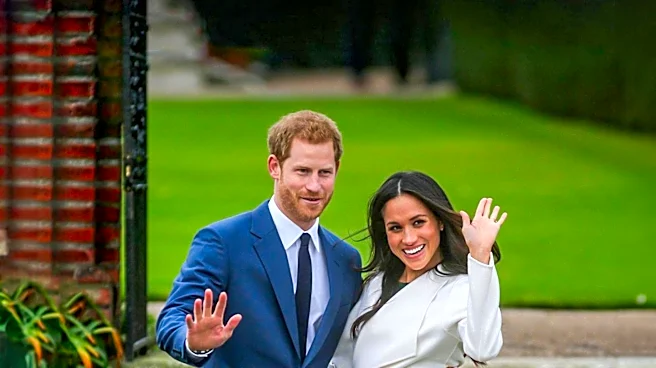
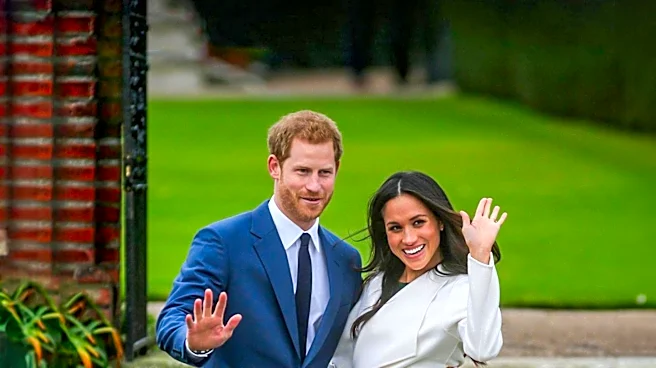
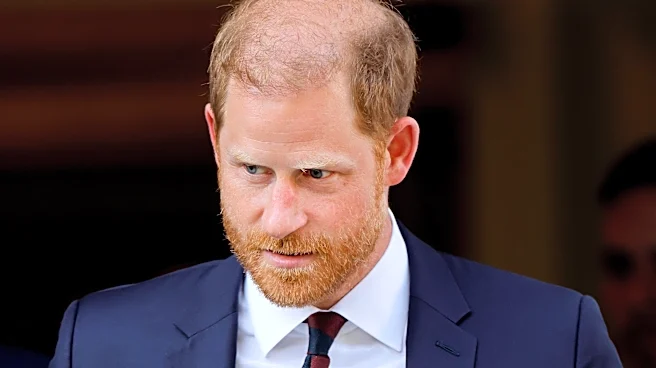
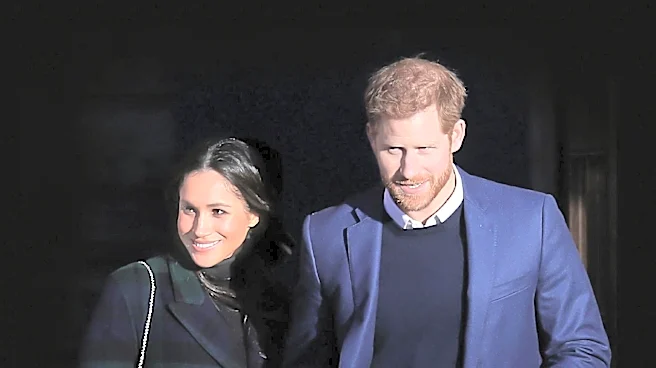
Alex Rayner, a close friend of Prince Harry, has asserted that Prince Harry and Meghan Markle maintain more frequent communication with the royal family than is publicly perceived. Rayner, who accompanied Harry on a charity trek to the North Pole in 2011,
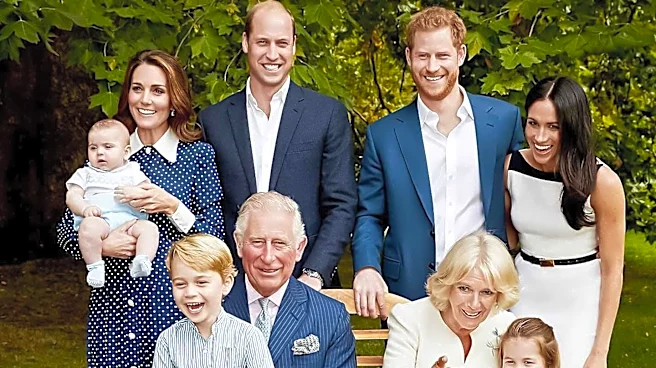
stated that 'Harry and Meghan talk to the Royal Family way more than we think they do,' and that 'The relationship is a lot stronger than the public think.' He also clarified that the Sussexes' absence from a royal Christmas at Sandringham is not due to exclusion but rather a choice to 'do their own thing' as they are living their own lives with their young children. Rayner added that Prince Harry will 'of course, speak to his father on Christmas Day,' emphasizing it as a family tradition.
Why It's Important?
This statement from a close friend of Prince Harry offers a counter-narrative to the widely reported strained relationship between the Sussexes and the royal family. For U.S. audiences, who often consume news about the British monarchy, this perspective suggests that the public and media might be overstating the degree of estrangement. If true, it could imply a more nuanced and private dynamic than what is typically portrayed, potentially easing some of the public concern about the family rift. This information could influence how future interactions between the Sussexes and the royal family are perceived, shifting focus from outright conflict to a more complex, albeit distant, relationship. It also highlights the role of personal connections in shaping public understanding of high-profile figures.
What's Next?
Despite Rayner's claims, the public and media will likely continue to scrutinize the interactions, or lack thereof, between Prince Harry, Meghan Markle, and the royal family, especially during significant events like Christmas. The absence of the Sussexes from traditional royal gatherings will still be a prominent talking point, regardless of private communications. Future public statements or actions from either side will be crucial in either reinforcing or challenging Rayner's assertion. The ongoing narrative will likely oscillate between reports of reconciliation and continued distance, reflecting the complex nature of their relationship. The focus will remain on whether these private communications translate into more visible signs of unity or collaboration.
Beyond the Headlines
Rayner's comments delve into the often-invisible aspects of high-profile family relationships, suggesting that public perception can be heavily influenced by media narratives that may not capture the full reality. This situation raises questions about the authenticity of public-facing narratives versus private realities, especially for figures under constant scrutiny. It also highlights the challenge for public figures to manage their personal relationships while navigating intense media interest. The idea that the Sussexes are 'doing their own thing' by choice, rather than being 'excluded,' speaks to themes of personal autonomy and the right to define one's own family life, even within the confines of royal expectations. This perspective encourages a deeper look into the complexities of family dynamics beyond sensationalized headlines.