




What's Happening?
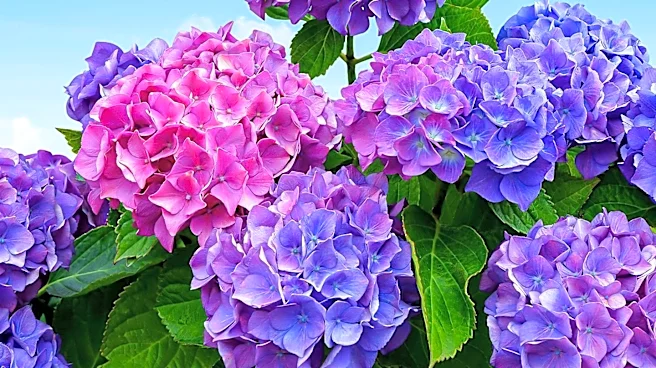
Panicle hydrangeas (Hydrangea paniculata) are being recommended by gardening experts as a top choice for gardeners looking to add vibrant, long-lasting blooms to their landscapes. These hardy shrubs are known for their dramatic flower clusters and ease
of care, making them suitable for both novice and experienced gardeners. They bloom from early summer through fall, with flowers that can change color as they age. Despite their beauty, they are not deer-resistant, which may require additional protective measures in areas with high deer populations. Panicle hydrangeas thrive in a range of climates across North America, from USDA Hardiness Zones 3 to 9, and are particularly valued for their ability to provide winter interest with their dried flower heads.
Why It's Important?
Panicle hydrangeas offer a low-maintenance solution for gardeners seeking to enhance their outdoor spaces with minimal effort. Their adaptability to various climates and soil conditions makes them a versatile choice for gardens across the U.S. The ability to provide visual interest throughout the year, including the winter months, adds value to any landscape design. Additionally, their popularity among pollinators can contribute to local biodiversity, supporting ecosystems in residential areas. For gardeners looking to maximize their investment in landscaping, panicle hydrangeas represent a high-reward option with their reliable blooming and minimal care requirements.
What's Next?
Gardeners interested in planting panicle hydrangeas should consider fall as an ideal time for planting, allowing the shrubs to establish strong roots before the onset of summer heat. Proper site selection, ensuring adequate sunlight and well-drained soil, will be crucial for optimal growth. As interest in sustainable and low-maintenance gardening continues to grow, panicle hydrangeas are likely to remain a popular choice among homeowners and landscape designers. Future developments may include new varieties with enhanced features such as increased deer resistance or unique color variations.