







What's Happening?
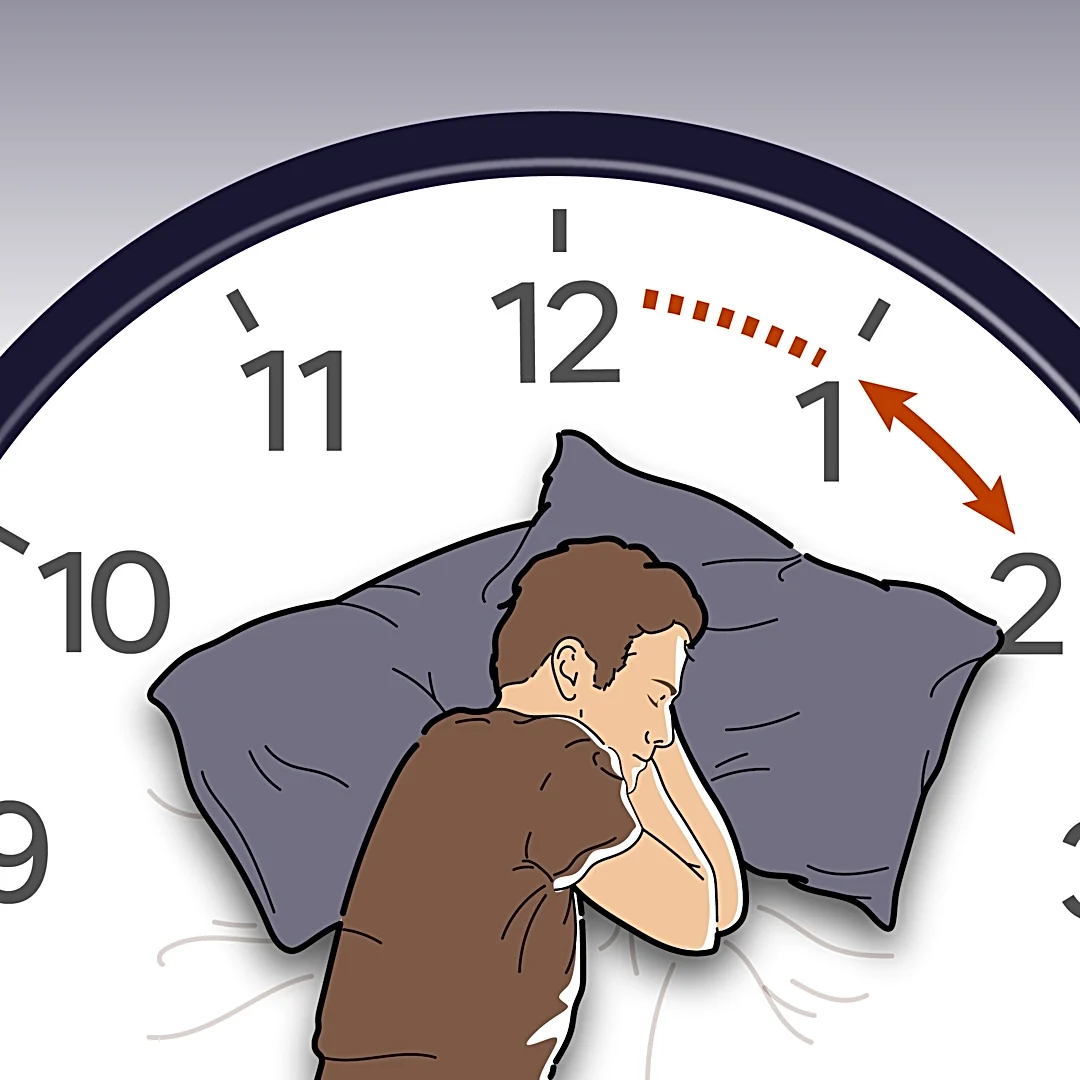
Sleep tracking devices, including rings, watches, earbuds, and bedside sensors, can estimate sleep duration and broader patterns by monitoring signals like movement, heart rate, and breathing. However, these consumer-grade devices are not designed to diagnose
sleep disorders or independently improve sleep. While they can be useful for identifying long-term trends and comparing routines, their accuracy in measuring specific sleep stages or identifying sleep disorders is limited compared to clinical sleep studies. Popular trackers like WHOOP and Oura are estimated to be about 50-60% accurate, primarily focusing on sleep duration and general patterns over time. Experts caution against relying on these devices for definitive diagnoses or as a substitute for professional medical advice. The primary utility of sleep trackers lies in observing trends and how daily habits might correlate with sleep patterns, rather than providing precise, clinical-grade data for individual nights.
Why It's Important?
The widespread use of sleep tracking technology has significant implications for public health and consumer understanding of sleep. While these devices offer accessible data, their limitations can lead to misinterpretations or undue anxiety among users. Individuals might misdiagnose themselves with sleep disorders based on inaccurate readings, potentially delaying professional medical evaluation for genuine conditions. Conversely, a false sense of security from seemingly 'good' sleep scores could lead individuals to overlook underlying sleep issues. This highlights a critical gap between consumer technology capabilities and clinical diagnostic standards. For the healthcare industry, it underscores the need for clear communication regarding the role of consumer devices versus professional medical tools. For consumers, understanding these limitations is crucial to avoid making health decisions based on incomplete or imprecise data, emphasizing the importance of consulting healthcare professionals for persistent sleep problems.
What's Next?
As sleep tracking technology continues to evolve, future developments may aim to improve accuracy and integrate more clinically relevant metrics. However, the fundamental distinction between wellness tracking and medical diagnosis is likely to remain. Consumers can expect continued advancements in sensor technology and data interpretation, potentially offering more nuanced insights into sleep patterns. Manufacturers may also focus on better educating users about the capabilities and limitations of their devices. Healthcare providers will likely continue to emphasize that while these tools can be supplementary, they do not replace comprehensive sleep studies or professional medical consultations for diagnosing and treating sleep disorders. The ongoing challenge will be to bridge the gap between consumer convenience and clinical reliability, ensuring that users leverage these technologies responsibly and effectively for their overall health.
Beyond the Headlines
The proliferation of sleep tracking devices also raises broader questions about data privacy and the potential for 'quantified self' culture to influence health perceptions. As these devices collect intimate physiological data, concerns about how this information is stored, shared, and utilized by third parties become increasingly relevant. Furthermore, the emphasis on numerical sleep scores can inadvertently create 'orthosomnia,' a condition where individuals become overly preoccupied with achieving perfect sleep metrics, leading to increased anxiety and poorer sleep outcomes. This highlights a psychological dimension where technology intended to improve well-being can, in some cases, exacerbate stress. The ethical implications of self-diagnosis based on consumer data, and the potential for over-reliance on technology to manage health, warrant ongoing discussion among users, developers, and healthcare professionals.