






What's Happening?
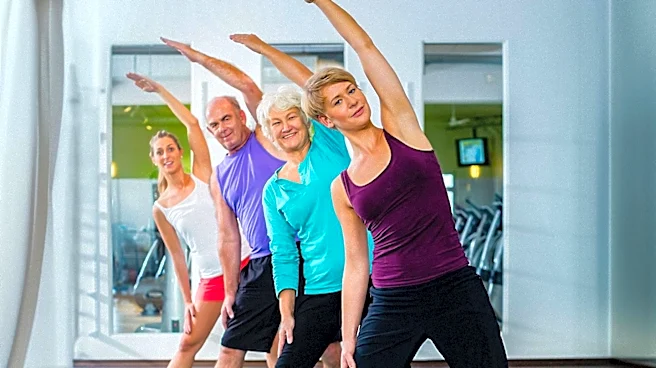
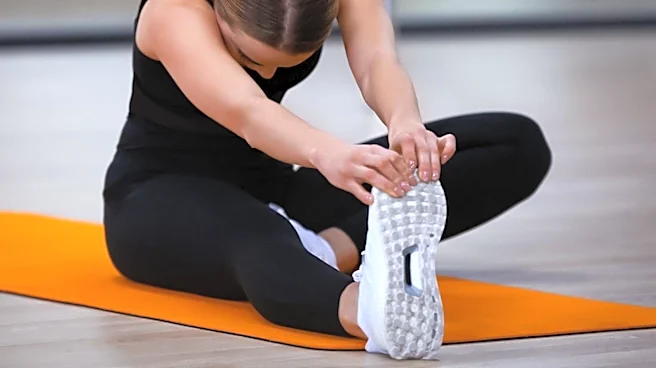
Stretching and mobility are essential components for overall physical well-being, enabling individuals to maintain flexibility and controlled movement. Flexibility refers to the ability of muscles and tissues to lengthen, allowing joints to move through
their full range of motion. Mobility, on the other hand, is the capacity to move a joint through its range of motion with control, integrating strength, coordination, balance, and flexibility. Both are vital for performing daily activities comfortably, such as reaching for objects, bending, or getting up from a chair. As individuals age, maintaining these physical attributes becomes increasingly important to prevent stiffness, reduce the risk of injury, and preserve independence. Incorporating consistent stretching and mobility exercises into a routine can significantly improve range of motion and ease of movement. Strength training also plays a supportive role by strengthening muscles around joints, which helps control movements and absorb stress.
Why It's Important?
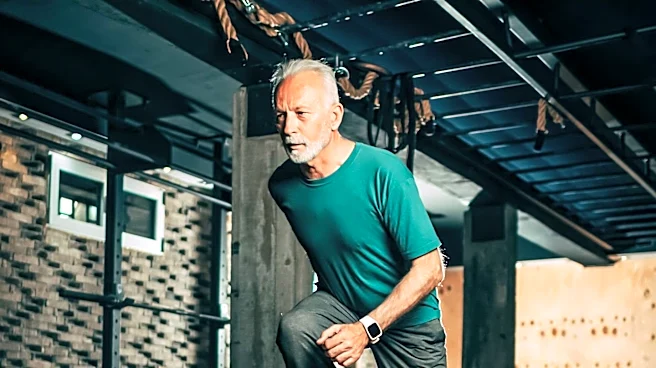
The emphasis on stretching and mobility highlights a critical aspect of public health, particularly for an aging population in the U.S. As the demographic shifts towards an older average age, the ability to perform daily tasks without pain or restriction directly impacts quality of life and healthcare costs. Reduced mobility can lead to increased dependence, higher risks of falls, and a greater need for medical interventions. Promoting flexibility and mobility through regular exercise can help mitigate these issues, fostering a more active and independent populace. This has implications for the healthcare industry, potentially reducing the burden of age-related injuries and chronic pain management. For individuals, it means a sustained ability to engage in hobbies, social activities, and self-care, contributing to mental and physical well-being. The focus on these practices underscores a preventative approach to health, aiming to maintain physical function rather than only treating ailments after they occur.
What's Next?
Moving forward, there is a growing recognition of the need to integrate flexibility and mobility training into broader fitness and wellness programs. This could lead to increased offerings in gyms, community centers, and physical therapy clinics that specifically target these areas. Educational campaigns may also emerge to inform the public about the distinct benefits of stretching and mobility exercises and how to incorporate them safely into daily routines. Healthcare providers might increasingly recommend these practices as part of a holistic approach to patient care, especially for those at risk of age-related mobility decline or recovering from injuries. The fitness industry is likely to see further development of specialized classes and tools designed to enhance flexibility and controlled movement, catering to diverse age groups and fitness levels. This shift could also influence workplace wellness programs, encouraging employees to take movement breaks to counteract the effects of prolonged sitting.
Beyond the Headlines
Beyond the immediate physical benefits, the emphasis on stretching and mobility touches upon deeper societal values related to aging and independence. In a culture that often prioritizes youth and peak physical performance, promoting sustained mobility throughout life challenges conventional narratives about aging as a period of inevitable decline. It encourages a proactive mindset towards health, where individuals are empowered to maintain their physical capabilities for as long as possible. This perspective can foster greater self-efficacy and reduce ageism by demonstrating that older adults can remain active and engaged. Ethically, it underscores the importance of accessible fitness resources and education for all age groups, ensuring that everyone has the opportunity to preserve their physical autonomy. Culturally, it may lead to a broader acceptance and integration of practices like yoga, Pilates, and other movement-based disciplines into mainstream wellness, recognizing their profound impact on long-term health and quality of life.