







What's Happening?
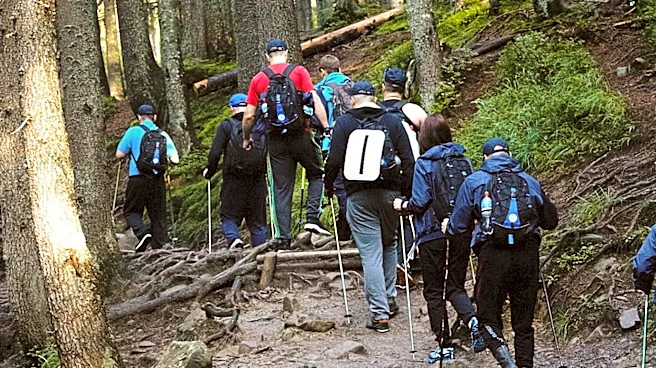
Thru-hiking, or long-distance hiking, is described as a transformative experience that can fundamentally change an individual's life goals, relationship with food, and perception of the 'real' world. Hikers often become immersed in a supportive community
and experience unparalleled natural beauty, leading to a feeling that 'normal' life is less satisfying. The intense physical demands of thru-hiking result in significant caloric expenditure, allowing hikers to eat freely without weight gain, which can create an unhealthy relationship with food upon returning home. Many hikers report developing body dysmorphia or struggling to adjust their eating habits after the hike. Furthermore, the simplicity of daily life on the trail, where choices are limited and goals are clear, can make the complexities and endless options of modern society overwhelming upon reintegration. The experience is often so profound that it can lead to a desire for repeated thru-hikes or a complete shift in life's direction, such as pursuing careers in conservation or outdoor leadership.
Why It's Important?
This phenomenon highlights the significant psychological and physiological adjustments individuals face after extreme endurance activities like thru-hiking. While often romanticized, the transition back to everyday life can be challenging, impacting mental health, body image, and social integration. The article sheds light on the less-discussed 'post-trail depression' or adjustment difficulties, which can affect a hiker's well-being and long-term satisfaction. Understanding these challenges is crucial for individuals considering a thru-hike, allowing them to prepare for the potential aftermath and seek support if needed. It also underscores the powerful influence of nature and community on human psychology, suggesting that modern society's complexities might be contributing to a yearning for simpler, more connected experiences. For the outdoor industry and mental health professionals, this perspective offers insights into supporting individuals through such profound life transitions.
What's Next?
Individuals considering a thru-hike should be aware of these potential challenges and prepare for a significant transition period upon their return. This might involve developing strategies for reintegrating into daily routines, managing dietary changes, and seeking support for psychological adjustments. The article implicitly suggests a need for resources and communities that help thru-hikers navigate post-trail life. For those who find themselves deeply changed, it may lead to a reevaluation of career paths, living situations, or personal priorities, potentially inspiring them to pursue lifestyles more aligned with the values cultivated on the trail, such as simplicity, connection to nature, or community engagement. The experience often fosters a desire for continued outdoor adventures, potentially leading to repeat thru-hikes or involvement in outdoor advocacy.
Beyond the Headlines
The narrative of thru-hiking 'ruining' one's life in a 'best way possible' points to a deeper societal yearning for authenticity, simplicity, and connection in an increasingly complex and digital world. It suggests that many individuals find modern life's demands and distractions overwhelming, leading them to seek profound experiences that strip away superficiality. The challenges faced upon returning from a thru-hike—such as body image issues or difficulty with decision-making—reflect a disconnect between the primal, instinctual existence on the trail and the often artificial constructs of urban living. This phenomenon could be seen as a form of 'rewilding' the human spirit, where individuals rediscover their innate connection to nature and community. The long-term implications could include a growing movement towards minimalist living, increased participation in outdoor activities, and a re-evaluation of societal values, prioritizing well-being and environmental stewardship over material accumulation and constant stimulation.