
What's Happening?
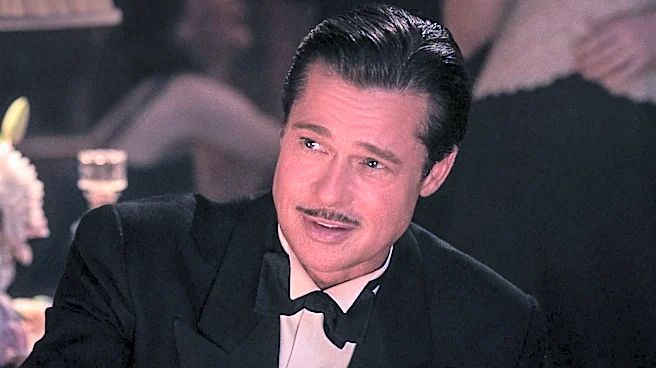
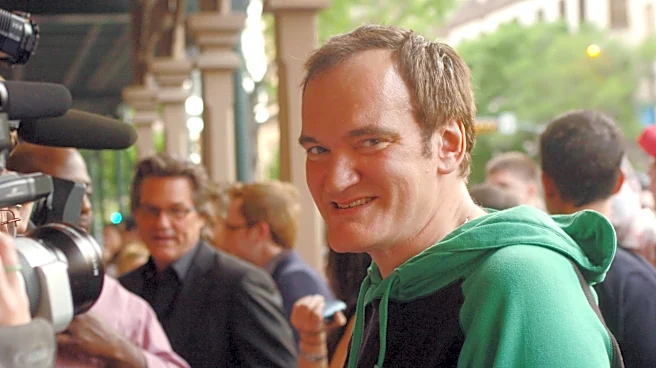
Quentin Tarantino's latest film, 'The Further Mis-Adventures of Cliff Booth,' which continues the story of Brad Pitt's character from 'Once Upon a Time in Hollywood,' has been released to a mixed reception.
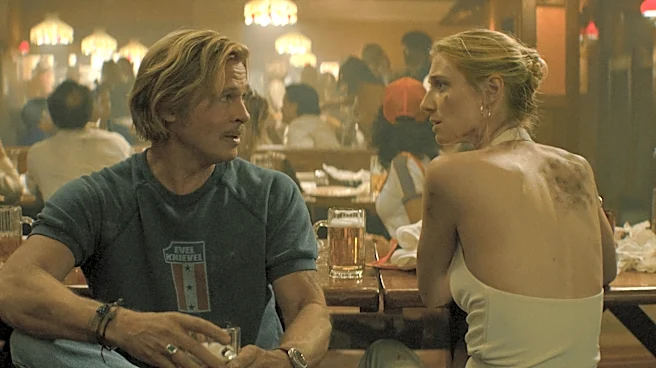
The movie, directed by David Fincher with a script by Tarantino, picks up eight years after the events of the previous film, in 1977. Cliff Booth, no longer Rick Dalton's stuntman, now works as a part-time projectionist, a bartender, and a fixer for Hollywood figures. The plot involves Cliff addressing a situation where a TV star, Charlie Peters, hired hitmen in Manila to murder his wife and now wants to retract the offer. The film features Tarantino's signature dialogue and action sequences, including a climactic shootout. Elizabeth Debicki co-stars as Karen Crosby, Charlie Peters' agent, who develops a flirtatious relationship with Cliff. The movie's runtime of two hours and twenty minutes is described as shaggy, with episodic pacing that alternates between violent set pieces and low-stakes interactions.
Why It's Important?
This film is significant as it represents a continuation of a beloved character from one of Tarantino's more recent and critically acclaimed works, 'Once Upon a Time in Hollywood.' The decision to expand on Cliff Booth's story, rather than creating an entirely new narrative, highlights Tarantino's ongoing fascination with the fictional universe he has built. The mixed reception, particularly regarding its pacing and the sidelining of a complex female character, could influence future creative decisions for Tarantino and other filmmakers exploring extended cinematic universes. The film's release, coupled with a new novel dedicated to Cliff Booth, indicates a strategic effort to deepen the lore around this character, potentially appealing to a dedicated fanbase while risking alienating those seeking fresh narratives. The involvement of David Fincher as director also adds a unique dimension, blending Tarantino's writing style with Fincher's directorial vision, which could set a precedent for collaborations on character-centric spin-offs in Hollywood.
What's Next?
Following its brief theatrical release over Thanksgiving weekend, 'The Further Mis-Adventures of Cliff Booth' is scheduled to debut on Netflix on December 23. This streaming release strategy suggests an emphasis on reaching a broad audience quickly, aligning with current industry trends for film distribution. Additionally, a new novel by Tarantino, entirely dedicated to the character of Cliff Booth, is set to be released on December 8. This literary expansion will further explore the character's backstory and potentially address some of the narrative gaps or criticisms from the film. The reception of both the film and the novel will likely inform Tarantino's future projects, especially concerning his stated intention to retire from filmmaking after his tenth feature. The ongoing discussion around the film's use of AI and the age gap between the lead actors may also continue to be points of public and critical discourse.
Beyond the Headlines
The film's narrative choices, particularly the sidelining of Elizabeth Debicki's character, Karen, after significant development, raise questions about the portrayal of female characters in action-oriented narratives, even within a universe known for its distinctive characterizations. This aspect, combined with the critical commentary on the age gap between the lead actors and the director's alleged use of AI, points to broader ethical and cultural discussions within the film industry. The film's structure, described as episodic and akin to a 'video game side quest,' reflects a potential shift in storytelling approaches, where character-driven spin-offs might prioritize expanding a universe over a tightly structured plot. This could influence how studios approach sequels and character continuations, potentially leading to more fragmented narratives that cater to existing fan bases rather than standalone cinematic experiences. The film's 'oily aftertaste' for some critics suggests that even established filmmakers face scrutiny over their creative choices and their alignment with contemporary societal values.