




What's Happening?
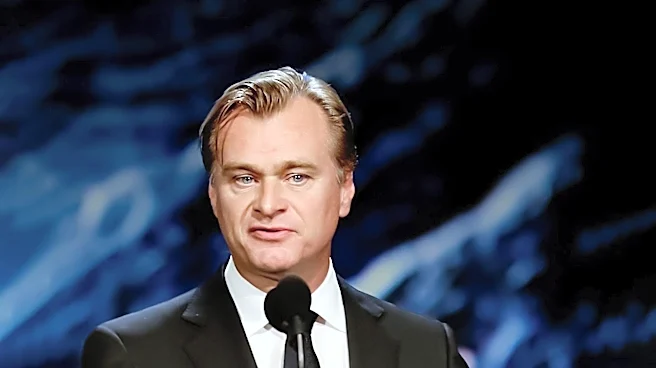
Ubisoft has reported a significant surge in back-catalog sales for its 2018 video game, 'Assassin's Creed Odyssey,' attributing the boost to the release of Christopher Nolan's new film, 'The Odyssey.' During its latest financial results briefing, the video game publisher
noted that a 'major summer movie' had 'materially benefited' the continued sales of its Ancient Greek-themed game. Over the summer, Ubisoft actively re-promoted 'Assassin's Creed Odyssey' in conjunction with the film's launch, encouraging moviegoers to engage with the game after seeing the film. This strategic cross-promotion capitalized on the shared 'Odyssey' theme, drawing new attention to the older title and contributing to Ubisoft's overall financial performance.
Why It's Important?
This development highlights an interesting and potentially lucrative synergy between the film and video game industries, particularly for older, well-regarded titles. For Ubisoft, the unexpected sales boost for a game released years ago demonstrates the enduring value of its intellectual property and the effectiveness of timely marketing. It suggests that popular cultural events, even those outside the immediate gaming sphere, can significantly impact a game's commercial success long after its initial launch. This trend could encourage other game developers and publishers to explore similar cross-promotional opportunities, leveraging major film releases or other media events to revitalize interest in their back catalogs. It also underscores the importance of brand recognition and the power of a compelling narrative, regardless of the medium, in driving consumer engagement and sales.
What's Next?
The success of this cross-promotional strategy could lead to more deliberate collaborations between film studios and game publishers in the future, especially for titles with shared themes or historical settings. Ubisoft, having observed the positive impact on 'Assassin's Creed Odyssey,' may integrate similar strategies into its marketing plans for other games, particularly as it prepares for the franchise's 20th anniversary in 2027. This could involve re-promoting other historical 'Assassin's Creed' titles alongside relevant historical dramas or action films. The broader entertainment industry might also take note, potentially leading to a new wave of marketing efforts that bridge different media to maximize audience reach and product longevity. This could also influence how intellectual property is developed, with an eye toward multi-platform potential from the outset.
Beyond the Headlines
Beyond the immediate sales figures, this phenomenon points to a deeper cultural trend where audiences are increasingly fluid in their consumption of entertainment across different media. The shared narrative and thematic elements, even if coincidental, can create a cohesive experience that transcends individual platforms. This blurs the lines between passive viewing and interactive engagement, suggesting that consumers are eager to explore stories in various forms. It also highlights the 'long tail' potential of digital content, where older products can find renewed relevance through external catalysts. For the gaming industry, this could mean a greater emphasis on maintaining and updating older titles, as they can become valuable assets when serendipitous cultural moments arise. It also underscores the power of a strong brand and narrative to resonate across different forms of media, creating a more interconnected entertainment ecosystem.