









What's Happening?
Keren Seelenfreund, a student in Ono College's M.A. program in Art Therapies, is utilizing her education to help individuals process trauma through art therapy. The program, unique in Israel for its English instruction, combines academic coursework with
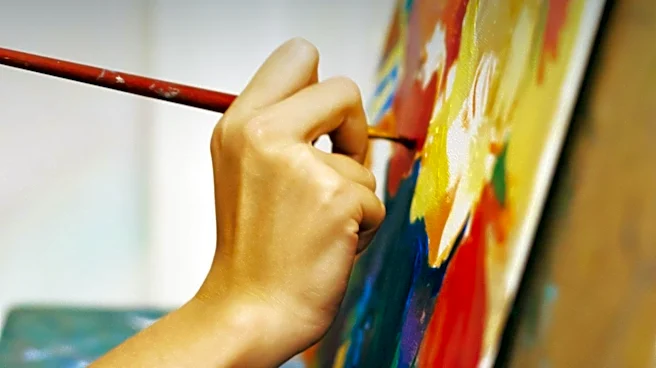
practical training to prepare students for therapeutic practice. Seelenfreund, who has a background in mass communications and marketing, moved to Israel in 2000 and has since been motivated to contribute to society by helping those in need of therapy. The program emphasizes the importance of personal experience with art materials to understand their emotional impact, which is crucial for effective therapy. Seelenfreund highlights the role of art therapy in witnessing and acknowledging personal experiences, particularly for trauma survivors.
Why It's Important?
Art therapy offers a non-verbal means of expression, crucial for individuals who find it difficult to articulate their trauma. This therapeutic approach is significant in Israel, where many face trauma due to ongoing conflicts. By training therapists like Seelenfreund, the program at Ono College is addressing a critical need for mental health support. The emphasis on personal growth and empathy in the program equips future therapists to provide compassionate care, potentially transforming the lives of those affected by trauma. This initiative not only supports individual healing but also contributes to the broader societal resilience by fostering emotional recovery and strength.
What's Next?
Upon completing her studies, Seelenfreund plans to work with diverse groups affected by trauma, including children, adolescents, and adults. Her goal is to create safe spaces for individuals to express themselves and heal. The program's graduates are expected to fill a vital role in mental health services, particularly in regions with high trauma incidence. As more therapists are trained, the availability of art therapy could expand, offering a valuable resource for emotional recovery. The program's success may inspire similar initiatives, further integrating art therapy into mainstream mental health practices.
Beyond the Headlines
Art therapy's impact extends beyond individual healing, influencing cultural perceptions of mental health. By validating non-verbal expression, it challenges traditional views that prioritize verbal communication. This shift can lead to broader acceptance of diverse therapeutic methods, encouraging more people to seek help. Additionally, the program's focus on empathy and personal growth may inspire a new generation of therapists who prioritize holistic care. As art therapy gains recognition, it could play a pivotal role in shaping future mental health policies and practices, promoting a more inclusive approach to therapy.