






What's Happening?
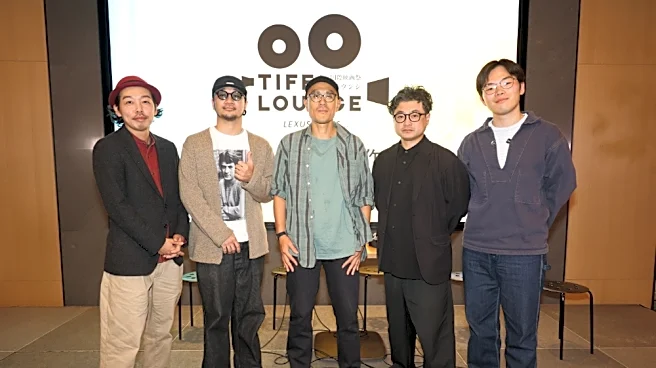
The 39th Tokyo International Film Festival (TIFF) hosted a symposium titled 'Side by Side in Time and Place: Archives in Becoming, Cinema Reopens History,' focusing on Southeast Asian cinema. This event, part of the revived CROSSCUT ASIA+ program, featured
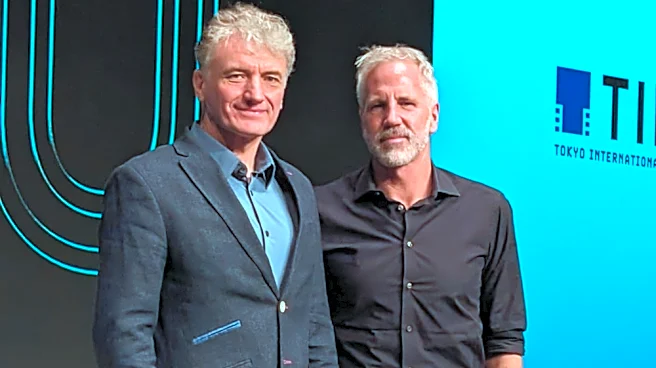
a curated selection of six films from various eras and genres. Programmers Masayuki Ueda and Raslene, along with advisor Markus Nornes, aimed to explore how modern encounters can reshape historical meanings through cinema. The symposium included discussions with guests Bunga Siagian, an Indonesian cinema researcher who rediscovered the lost 1957 film 'Turang'; Daniel Hui, a Singaporean director whose film 'Small Hours of the Night' (2024) reinterprets a lost event; and Daniel Mattes, producer of the Cambodian film 'Becoming Human' (2025). The discussion centered on the role of archives in preserving and reinterpreting fiction and documentary films in the region, highlighting the political and cultural implications of what is preserved and what is forgotten.
Why It's Important?
This symposium is crucial for understanding the dynamic relationship between cinema, history, and national identity in Southeast Asia. The discussion underscored how film archives are not merely repositories of the past but active sites for re-engaging with history, challenging dominant narratives, and fostering collective memory. The rediscovery of 'lost' films like 'Turang' demonstrates the ongoing effort to reclaim marginalized histories and provide alternative perspectives on national development and political struggles. For filmmakers like Daniel Hui, whose work addresses erased historical events, and Daniel Mattes, whose film 'Becoming Human' tackles contemporary environmental issues rooted in past government actions, cinema becomes a vital tool for social commentary and activism. The symposium highlighted the importance of preserving diverse cinematic voices to ensure a more comprehensive and nuanced understanding of the region's complex past and present, influencing future historical interpretations and cultural discourse.
What's Next?
The discussions at the 39th TIFF symposium are likely to stimulate further academic research, archival efforts, and cinematic productions focused on Southeast Asian history and identity. The emphasis on transnational solidarity and the challenges faced by filmmakers in the region, such as funding dependencies and external influences, suggest a continued push for independent and regionally supported cinema. Future initiatives may involve increased collaboration among Southeast Asian film archives, festivals, and filmmakers to preserve and promote their cinematic heritage. The insights shared by the panelists could also inspire new approaches to film education and cultural policy, encouraging a more critical engagement with historical narratives presented through film. The ongoing dialogue about the power of archives to confront political influence and reshape collective memory will continue to be a significant theme in regional film discourse.
Beyond the Headlines
The symposium delved into profound ethical and cultural dimensions of filmmaking and archiving. The idea that archives can be 'weaponized' or used to erase certain histories raises critical questions about power, control, and the responsibility of cultural institutions. The panelists' experiences reveal how state narratives often prioritize certain versions of history, making the work of independent filmmakers and researchers essential in uncovering alternative truths. The discussion also touched upon the concept of developing a unique cinematic language in post-colonial contexts to serve local histories and people, resisting homogenization by global cinema. This highlights a broader struggle for cultural sovereignty and self-representation. The symposium ultimately framed engagement with archives not just as a romantic practice but as a form of activism, empowering communities to understand historical cycles and confront contemporary issues, thereby influencing long-term cultural shifts and fostering a more inclusive historical consciousness.