





What's Happening?
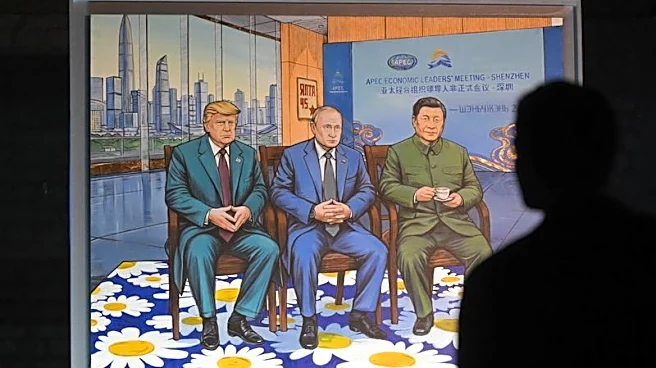
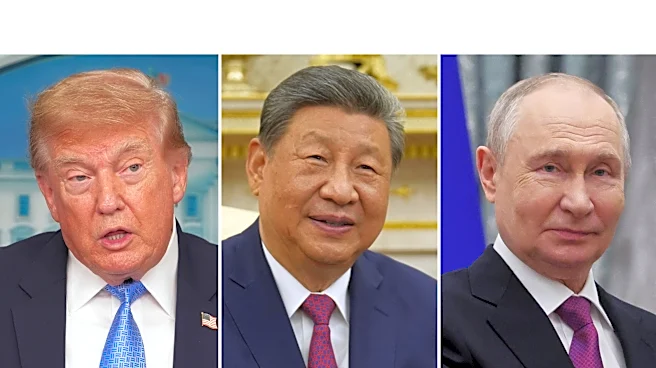
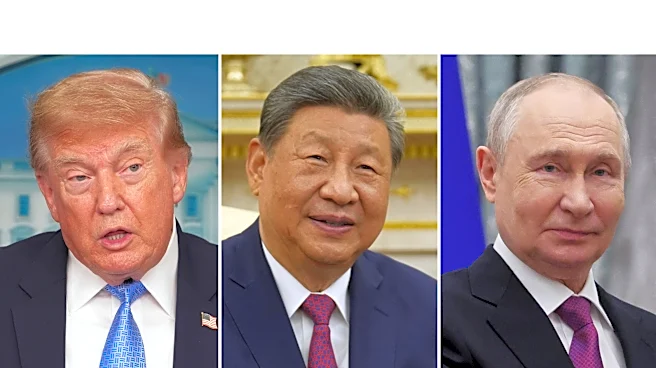
The United States and China have extended their bilateral trade truce, initially brokered in Busan last year, until January 10, 2027. This decision comes ahead of a planned meeting between President Xi Jinping and President Trump at the Asia-Pacific Economic
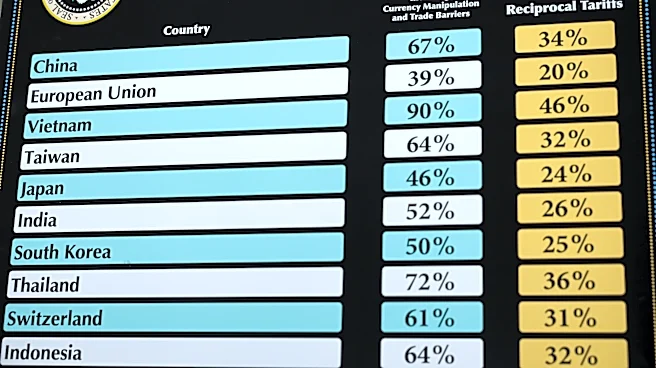
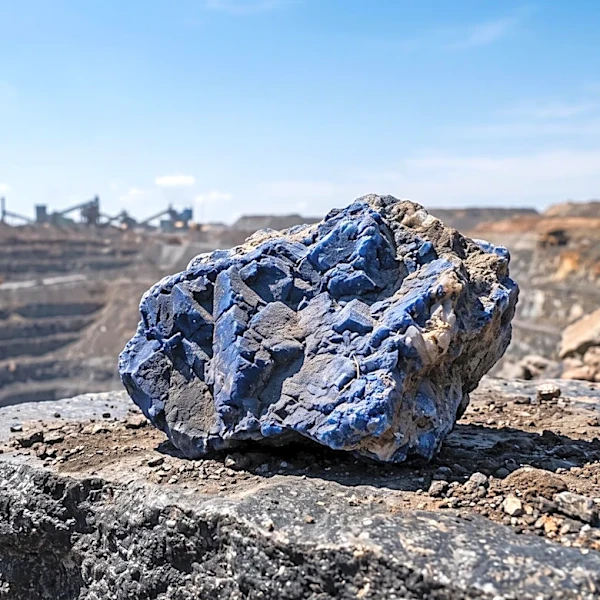
Cooperation (APEC) summit in Shenzhen. As part of this extension, China will continue to suspend 24% of additional tariffs on U.S. imports, maintaining a 10% levy, and has extended the suspension of six export control notices covering strategic products like rare earth elements and high-density lithium batteries. Similarly, the U.S. has extended tariff waivers on 178 Chinese product categories, including medical accessories and components for solar products, and the U.S. Department of Commerce’s Bureau of Industry and Security (BIS) continues to suspend its “affiliates rule,” which would have expanded export control measures to foreign companies at least 50% owned by blacklisted entities. Beijing has also paused enforcement of sanctions on 11 U.S. companies on its Unreliable Entity List and renewed the suspension of sanctions against five U.S.-based subsidiaries of South Korean shipbuilder Hanwha Ocean.
Why It's Important?
This extension of the trade truce is crucial for stabilizing economic relations between the two largest economies, providing a temporary reprieve from escalating trade tensions. For U.S. businesses, the continued suspension of Chinese tariffs on imports and the U.S. tariff waivers on Chinese goods offer predictability and relief, potentially reducing costs for consumers and manufacturers. The suspension of the BIS “affiliates rule” also prevents a broader application of U.S. export controls, which could have significantly impacted global supply chains and foreign companies with ties to blacklisted entities. The ongoing pause in sanctions enforcement by both sides allows for continued commercial interactions that might otherwise be disrupted, benefiting companies operating in sectors such as drones, autonomous systems, and shipbuilding. However, underlying issues such as alleged forced labor concerns, structural excess capacity, and the control of rare earth elements remain significant flashpoints, indicating that this truce is a temporary measure rather than a resolution to deeper trade disputes.
What's Next?
The extended truce is set to expire on January 10, 2027, meaning that both nations will need to re-evaluate their trade policies and potentially negotiate further extensions or new agreements. The upcoming APEC summit meeting between President Xi Jinping and President Trump will be a critical juncture for discussions on these trade issues. The Office of the U.S. Trade Representative is still conducting a Section 301 investigation into structural excess capacity, with potential new levies on Chinese goods being considered. China has indicated it would match any new U.S. duties proportionately if they exceed an agreed-upon cap. The ongoing investigations and discussions suggest that while a temporary calm has been achieved, the long-term trajectory of U.S.-China trade relations remains uncertain and subject to further negotiations and potential policy shifts from both sides.
Beyond the Headlines
The repeated extensions of trade truces highlight a strategic balancing act between economic interdependence and national security concerns for both the U.S. and China. While the immediate goal is to de-escalate tensions and facilitate high-level diplomatic engagements, the underlying competition for technological supremacy and economic influence persists. The focus on rare earth elements and advanced technology export controls underscores the critical role these sectors play in national security and economic power. The U.S. continues to grapple with the challenge of preventing sensitive technology from reaching adversaries while maintaining open trade channels. This dynamic suggests a future where trade policies will increasingly be intertwined with geopolitical strategies, potentially leading to a more fragmented global economy where technological leadership and supply chain resilience become paramount national objectives.