






What's Happening?
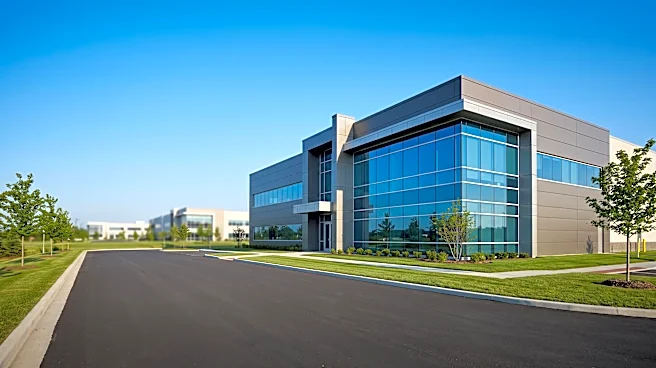
Gray Construction and Ameris Bank, the primary secured creditors of the defunct cultivated meat company Believer Meats, are contemplating a combined credit and cash bid for Believer Meats' facility in North Carolina. This development follows UPSIDE Foods'
termination of its $50 million offer for the site last month. Gray Construction had previously filed a lawsuit alleging it was owed $36.4 million for design and construction work, while Ameris Bank provided a $25 million loan secured by Believer Meats' assets. Receiver Kevin Sink indicated that Gray and Ameris intend to acquire the facility and related assets, with a definitive term sheet from Gray already received. A credit bid would allow the creditors to use their owed debt as part of the purchase price.
Why It's Important?
This situation is significant for the cultivated meat industry in the U.S., particularly concerning the future of manufacturing infrastructure. The potential acquisition by creditors, rather than a direct sale to another cultivated meat company, highlights the financial complexities and challenges faced by startups in this emerging sector. The exit of UPSIDE Foods and the subsequent creditor bid underscore the high capital requirements and inherent risks associated with scaling up cultivated meat production. For the industry, the fate of Believer Meats' facility could influence investor confidence and the pace of innovation. If the facility is repurposed or acquired by a non-cultivated meat entity, it could represent a setback for the sector's manufacturing capacity. Conversely, if another cultivated meat company eventually acquires it, it could signal continued resilience and strategic asset consolidation within the industry.
What's Next?
Receiver Kevin Sink anticipates filing a motion with the North Carolina Business Court regarding the proposed acquisition by Gray Construction and Ameris Bank within the next 10-14 days. The proposed sale process is expected to include a 21-day objection and upset-bid period, potentially leading to an auction if additional bids emerge. While UPSIDE Foods terminated its initial offer, it has expressed continued interest in the facility, suggesting it might re-enter the bidding process. Meanwhile, Yoel Freilich, the Israeli trustee, is fielding bids for Believer Meats' intellectual property (IP) from various industry parties. The outcome of these proceedings will determine the future ownership and operational direction of the North Carolina facility and the disposition of Believer Meats' technological assets.
Beyond the Headlines
The financial distress of Believer Meats and the subsequent creditor actions reveal deeper challenges within the cultivated meat industry beyond technological hurdles. It exposes the intense capital demands, the long timelines for regulatory approval and market penetration, and the inherent risks of pioneering a new food technology. The situation also highlights the intricate legal and financial mechanisms involved when high-growth startups fail, particularly in sectors with significant physical assets. The separation of physical assets (the facility) from intellectual property (IP) in the sale process indicates the distinct value streams within such companies. This case could serve as a cautionary tale for investors and entrepreneurs in the alternative protein space, emphasizing the need for robust financial planning and clear pathways to commercialization. It also underscores the broader economic forces at play in the nascent cultivated meat market, where early leaders face immense pressure to deliver on their promises.