




What's Happening?
Commercial construction projects across Tennessee, including Nashville, Knoxville, Chattanooga, and the Tri-Cities, are increasingly adopting Building Information Modeling (BIM) coordination to mitigate costly rework. Rework often stems from coordination failures,
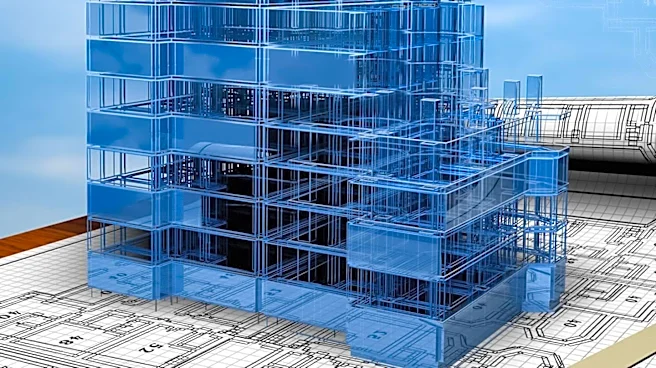
such as conflicts between duct routes, structural models, or sprinkler mains and cable trays, rather than poor craftsmanship. BIM coordination is a structured process that aligns discipline-specific models into a single constructible picture, identifying and resolving clashes before fabrication or installation. This process involves combining architectural, structural, and MEP models into a federated model, running automated clash detection, and conducting regular coordination meetings to assign responsibility and track resolutions. The Tennessee Office of the State Architect's BIM standards now require coordination protocols in the BIM Execution Plan for applicable state projects, emphasizing its role in preventing spatial interferences before field installation. Tools like Autodesk Construction Cloud and Navisworks facilitate model aggregation, clash review, and issue tracking, supporting both office and field teams.
Why It's Important?
The adoption of BIM coordination is crucial for U.S. contractors, particularly in Tennessee, as it directly impacts project schedules, profit margins, and labor capacity. Rework erodes profitability and can lead to significant delays, increased labor costs, and reduced safety margins. By identifying and resolving conflicts digitally before construction begins, BIM coordination prevents expensive field fixes, such as demolition, resequencing, and overtime. This proactive approach ensures that all project stakeholders, including designers, trade partners, and project leadership, work from a shared, coordinated model, reducing miscommunication and errors. The state's mandate for BIM coordination in public projects further underscores its importance, making it an expected behavior rather than just a best practice. This shift helps contractors deliver more predictable work and protect their financial interests in a competitive market.
What's Next?
Tennessee contractors are encouraged to implement or expand their use of BIM coordination, potentially starting with a focused four-week pilot on an active project. This pilot would involve setting up a common data environment, running initial clash detection, holding structured coordination meetings, and publishing updated shop information to the field. The goal is to test process discipline, software fit, and field adoption in a manageable way before scaling across more projects. Continued emphasis will be placed on standardizing model exchange at project kickoff, establishing predictable meeting schedules, defining clear issue ownership, and integrating field teams into the coordination process. The industry will likely see increased training and resources from organizations like ABC Greater Tennessee to help members strengthen their construction technology and coordination capabilities, aiming for broader adoption and more efficient project delivery.
Beyond the Headlines
The widespread adoption of BIM coordination signifies a deeper shift in the construction industry towards digital transformation and proactive problem-solving. Beyond its immediate benefits in reducing rework, BIM coordination fosters a culture of collaboration and transparency among project teams. It elevates the role of information management, making data-rich models the central source of truth for all project decisions. This approach has ethical implications by promoting accountability and reducing the potential for disputes arising from design conflicts. Long-term, it contributes to more sustainable construction practices by minimizing material waste and optimizing resource allocation. As technology continues to advance, BIM coordination will likely integrate further with digital twins and other advanced analytics, leading to even greater efficiencies and predictive capabilities in construction, ultimately reshaping how buildings and infrastructure are designed, built, and maintained.