




What's Happening?
Media outlets are increasingly shifting their hiring strategies from traditional roles like 'reporters' and 'editors' to 'creators' and 'creator managers.' This trend reflects a broader evolution in the media industry, where content creation and audience
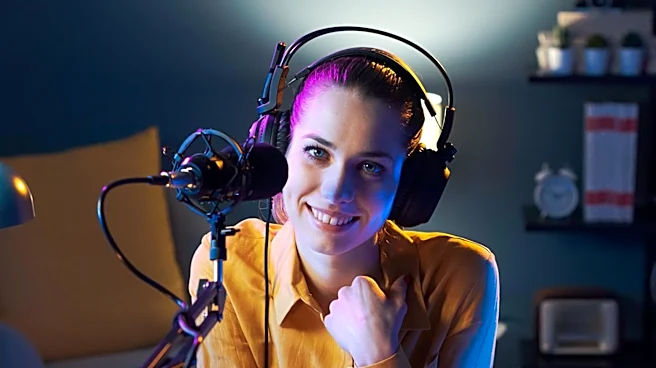
engagement are becoming paramount. For instance, Morning Brew is actively seeking a 'Markets Creator' to host a daily video podcast and appear in social content covering market news, a role traditionally associated with a reporter. Similarly, Substack is hiring a 'Creator Success Manager' to work with publishers on audience growth, community engagement, and building subscription businesses, which aligns with the responsibilities of an editor. This change indicates a move towards individuals who can not only produce content but also manage and grow their own platforms and communities.
Why It's Important?
This shift in hiring practices signifies a fundamental change in the media industry's operational model, impacting both established institutions and emerging platforms. For media outlets, it means prioritizing direct audience connection and diversified content formats, such as video podcasts and social media appearances, over purely written journalism. This could lead to more dynamic and interactive news consumption experiences for the public. For journalists and content creators, it necessitates a broader skill set that includes not just reporting and editing but also community building, brand management, and understanding monetization strategies. Those who adapt to this 'creator economy' model stand to gain new opportunities, while those who adhere strictly to traditional roles might find fewer pathways in the evolving landscape. The emphasis on 'creator managers' also highlights the growing complexity of managing individual content producers and their unique brand identities within larger media ecosystems.
What's Next?
The trend of hiring 'creators' and 'creator managers' is likely to continue and expand across the media industry. Educational institutions and journalism programs may need to adapt their curricula to equip aspiring journalists with skills beyond traditional reporting, including digital content production, social media engagement, and audience development. Media companies will likely invest more in tools and platforms that support creator-led content and subscription models. This could also lead to a more fragmented media landscape, where individual creators with strong personal brands compete with or complement established news organizations. The success of platforms like Substack, which empower individual writers to build subscription businesses, further underscores this trajectory, suggesting a future where the line between journalist and entrepreneur becomes increasingly blurred.
Beyond the Headlines
The deeper implication of this shift is a redefinition of journalistic authority and credibility. In a creator-driven media environment, trust may increasingly be placed in individual personalities and their direct relationships with their audience, rather than solely in the institutional brand of a news organization. This raises questions about editorial standards, fact-checking processes, and the potential for echo chambers if audiences primarily consume content from creators whose views align with their own. Furthermore, the monetization strategies inherent in the creator model, such as paid subscriptions and brand partnerships, could introduce new ethical considerations regarding editorial independence and potential conflicts of interest. The long-term impact could be a more personalized, but potentially less uniformly vetted, information ecosystem.