




What's Happening?
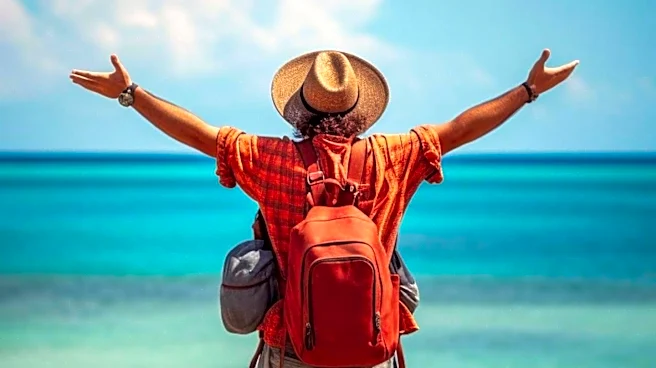
Solo travel is gaining popularity as it provides individuals with the freedom to control their itinerary, pace, and experiences without needing to coordinate with others. This allows for spontaneous decisions, such as spending an entire afternoon in a gallery
or changing dinner plans on a whim. The trend is partly driven by the difficulty of finding companions with matching budgets, schedules, and destination preferences. Benefits often cited by solo travelers include increased confidence, improved decision-making skills, and more opportunities to meet new people. While solo travel emphasizes independence, it doesn't necessarily mean constant solitude; travelers can opt for group activities, classes, or tours to find companionship when desired. Concerns about safety, loneliness, and practical issues are common, especially for first-time solo travelers. To mitigate these, experts recommend starting with destinations that have reliable public transport, booking initial accommodation in advance, saving offline maps, and sharing itineraries with trusted contacts. Joining small-group experiences or escorted tours can also provide a balance of personal space and social interaction.
Why It's Important?
The rise of solo travel reflects a broader societal shift towards valuing personal autonomy and self-discovery. For individuals, it offers a unique pathway to personal growth, fostering resilience and adaptability as they navigate unfamiliar environments independently. This can lead to enhanced problem-solving skills and a stronger sense of self-reliance, which are valuable in all aspects of life. Economically, the growing solo travel market presents new opportunities for the tourism industry, prompting the development of specialized packages, accommodations, and activities tailored to individual travelers. This includes solo-friendly tours, communal lodging options, and experiences designed to facilitate connections among solo adventurers. The emphasis on safety and planning also highlights the evolving needs of modern travelers, pushing service providers to offer more secure and supportive travel environments. This trend underscores a desire for authentic, personalized experiences over traditional group-oriented vacations, influencing how destinations and travel companies market their offerings.
What's Next?
As solo travel continues to grow, the travel industry is likely to further innovate in catering to this demographic. We can expect to see an increase in specialized solo travel packages that balance independence with curated social opportunities, such as small-group tours focused on specific interests like culinary arts or photography. Accommodation providers may also adapt by offering more single-occupancy rooms or communal spaces designed to foster interaction among solo guests. Technology will play an increasingly crucial role, with apps and platforms emerging to help solo travelers connect with each other, find safe local experiences, and manage logistics more efficiently. Destinations may also begin to market themselves more explicitly as solo-friendly, highlighting safety measures, ease of navigation, and diverse activity options for individuals. Furthermore, there may be a greater emphasis on educational resources and workshops aimed at preparing first-time solo travelers, covering topics from safety protocols to cultural immersion techniques.
Beyond the Headlines
The increasing popularity of solo travel points to deeper cultural shifts, particularly in how individuals perceive independence and personal fulfillment. It challenges traditional notions of travel as a shared experience, emphasizing instead the value of self-reliance and introspection. This trend could also reflect a growing desire among individuals to escape the pressures of constant connectivity and social obligations, seeking moments of solitude and self-reflection. Ethically, the industry will need to ensure that solo travel remains accessible and safe for everyone, regardless of gender, age, or background, by implementing robust safety measures and promoting inclusive environments. Legally, there might be a need for clearer guidelines regarding traveler safety and support, especially in remote or less developed destinations. Culturally, solo travel could foster greater empathy and understanding as individuals immerse themselves more deeply in local cultures without the buffer of a travel companion, leading to more profound and transformative experiences.