






What's Happening?
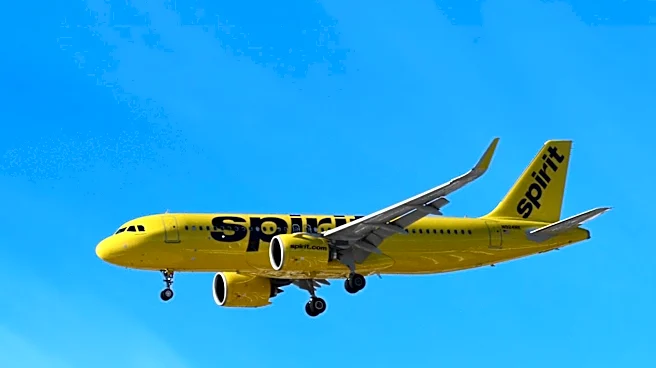
Spirit Airlines, once America's eighth-largest carrier, ceased all operations on May 2, 2026, following a period of significant financial distress. According to DWU Consulting, the airline accumulated net losses totaling approximately $3.1 billion between
2020 and 2024. The company filed for Chapter 11 bankruptcy twice, first on November 18, 2024, and again on August 29, 2025, after emerging from its initial reorganization in March 2025. A $500 million federal rescue attempt failed when creditors rejected the terms, as reported by Simple Flying. The airline's closure resulted in over 2,000 ALPA pilots losing their jobs, with nearly 800 Central Florida-based Spirit employees also affected. This shutdown marks a definitive end to the ultra-low-cost carrier model as implemented by Spirit.
Why It's Important?
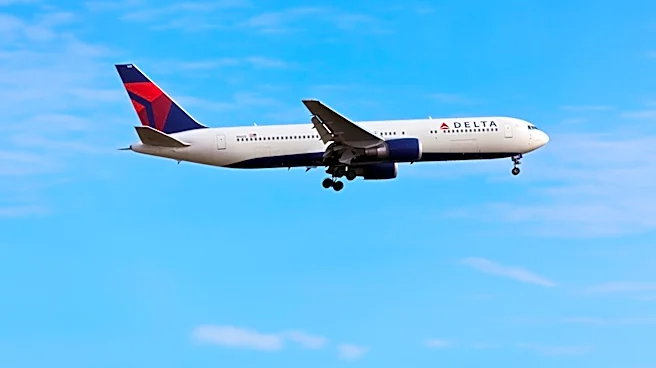
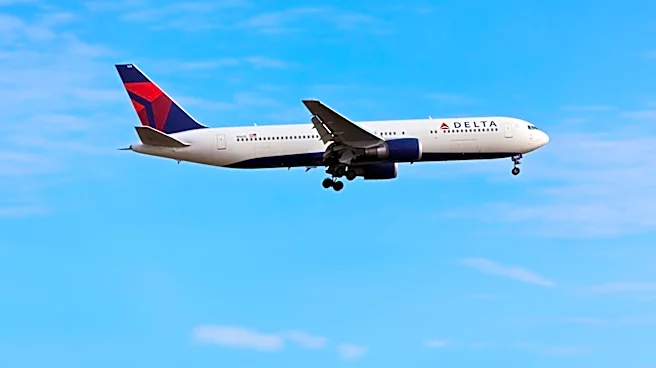
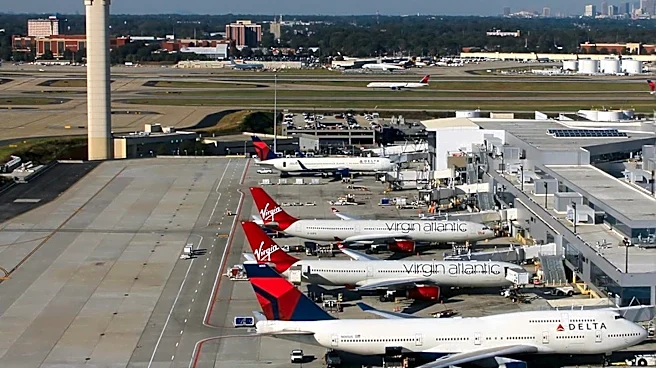
The collapse of Spirit Airlines signifies a critical turning point for the ultra-low-cost carrier (ULCC) model in the U.S. aviation industry. The airline's inability to sustain profitability, even after multiple bankruptcy filings and a failed federal rescue, suggests fundamental challenges within its operational strategy. This event impacts thousands of employees, including pilots and ground staff, who are now seeking new employment, as evidenced by former Spirit pilots being hired by carriers like Delta Air Lines. For consumers, the disappearance of Spirit means fewer ultra-low-fare options, potentially leading to higher prices on routes where Spirit previously offered competitive rates. The broader industry is also affected, as airports that relied on Spirit as a significant traffic source will need to find new carriers to fill the void, likely with hybrid models rather than new pure ULCCs.
What's Next?
In the immediate aftermath of Spirit Airlines' shutdown, the focus shifts to the re-employment of its former workforce. Job fairs are being organized to assist the nearly 800 Central Florida-based employees and over 2,000 pilots who lost their positions. Major airlines like Delta have already begun absorbing some of these experienced pilots. For the aviation industry, the question remains whether any carrier will attempt to revive the pure ultra-low-cost proposition or if the model will quietly exit American aviation. The industry's direction, marked by legacy carriers offering basic-economy products and former ULCC neighbors like JetBlue aligning with global network airlines, suggests a move away from the standalone low-cost model. Airports that hosted Spirit will be evaluating which carriers, if any, will step in to fill the service gaps, with a likely preference for hybrid carriers.
Beyond the Headlines
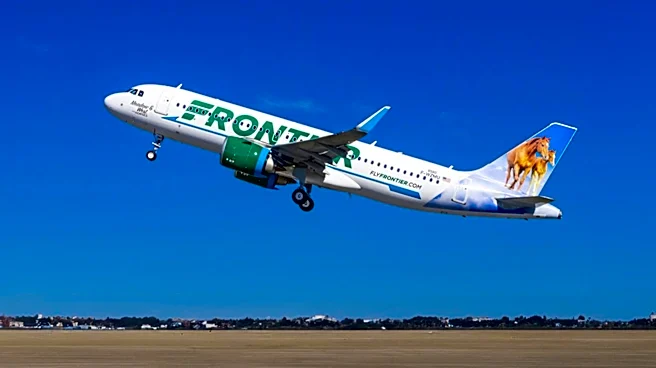
Spirit Airlines' demise highlights deeper structural vulnerabilities within the ultra-low-cost carrier model, particularly in an environment of rising operational costs and intense competition. The airline's failed merger attempts, first with Frontier and then with JetBlue (blocked by a federal court due to antitrust concerns), left it without the scale or support needed to confront mounting cost pressures. The broader industry context, including projected declines in global airline net profit and significant increases in jet fuel prices, further exacerbated Spirit's precarious position. This situation underscores how external economic shocks, such as increased fuel costs, disproportionately affect carriers with thin profit margins. The shift towards basic-economy products by legacy airlines and strategic partnerships among other carriers indicates a consolidation and evolution in the market, where the pure ULCC model may no longer be viable without significant adaptation or scale.